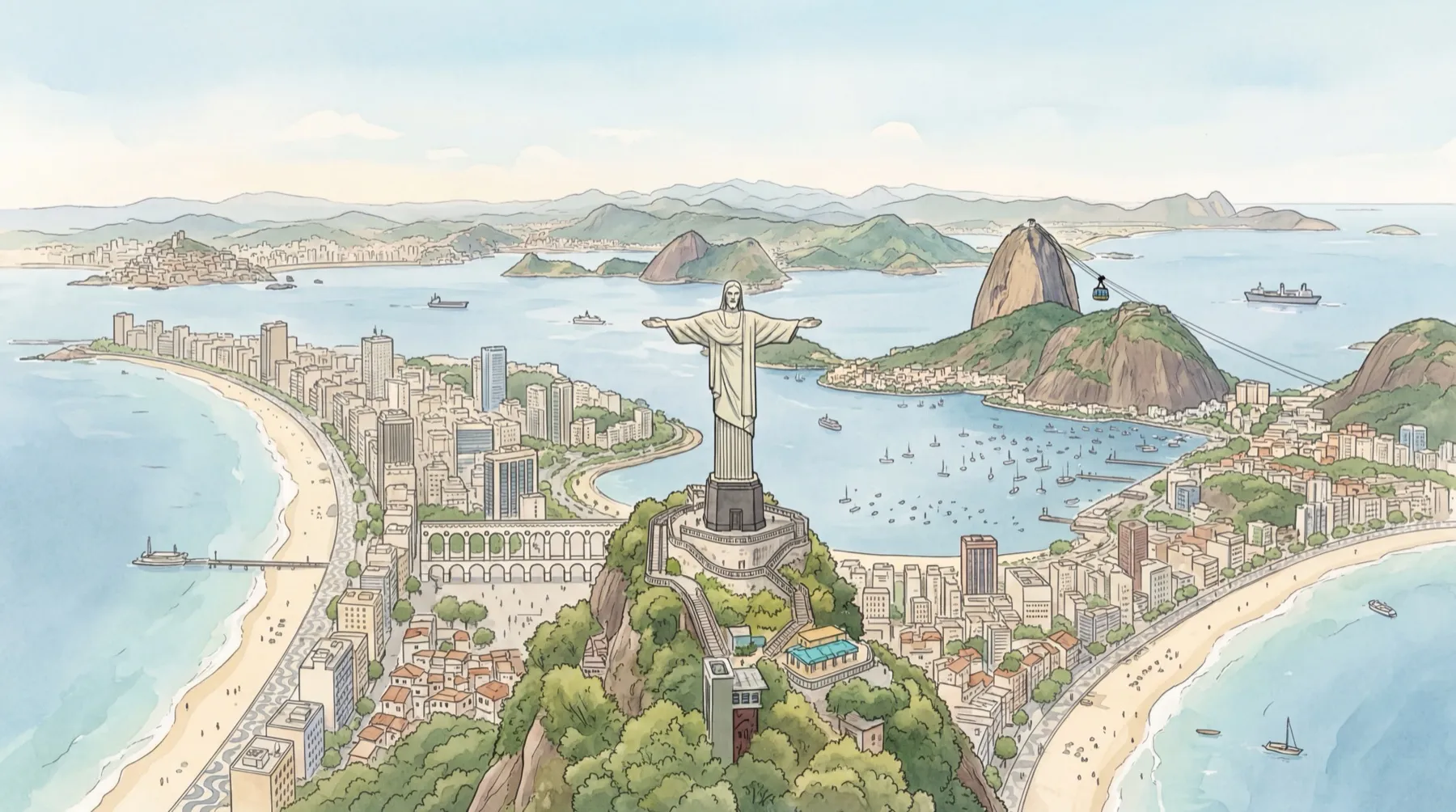
Rio de Janeiro
🇧🇷 Brazil
Things to see Tips for Rio de Janeiro
Must-visit landmarks, hidden gems, and sightseeing
Everyone hits copacabana first because it's famous but honestly ipanema is where you actually want to spend your beach time if you're not into the whole tourist circus thing. Copa feels like a theme park these days with the aggressive vendors and overpriced everything.
Copacabana is touristy as hell — Someone trying to sell you a caipirinha every five minutes, vendors with knockoff sunglasses, that commercial vibe that makes you forget you're supposed to be relaxing. Ipanema has this chill energy that copa lost years ago. The crowd is more local, food quality at the beach kiosks (postos) is actually better, and you can lie on your towel without constant interruption.
If you want to see copa, walk the promenade around 7am when it's empty and beautiful (yes i actually got up early for once — Shocking i know). The art deco buildings look incredible in morning light and you'll have those iconic black and white wave patterns mostly to yourself. But for actually enjoying beach time, ipanema wins hands down.
The walk between them along the coast is gorgeous too if you're up for a longer beach day. Posto 9 in ipanema is where the cool locals hang out — You'll recognize it by the rainbow flag and general trendy vibe. Way better people watching than copa's chaos, plus the açaí is cheaper and actually good.
Here's the crime: 99% of tourists skip Tijuca National Park entirely, missing out on the world's largest urban forest BY AREA - 32 square kilometers of Atlantic rainforest in the heart of Rio. Meanwhile they're fighting crowds at Christ the Redeemer when they could have 360-degree city views with zero tour groups.
Pico da Tijuca trail is the crown jewel: 1.5 hours each way, moderate difficulty with some steep rocky sections near the summit. Start from Bom Retiro entrance (Alto da Boa Vista area, take bus 221 from Copacabana). The payoff is spectacular - panoramic views of the entire city, Guanabara Bay, and on clear days you can see all the way to Niterói. Bring 2 liters of water minimum, proper hiking boots, and never hike alone. Local guides cost R$100-150 through park headquarters and they're worth every real for safety plus wildlife spotting - you'll likely see toucans, monkeys, and countless bird species.
For families or easier hiking: Cascatinha Taunay waterfall trail is a gentle 45-minute walk through dense forest. The 30-meter waterfall is swimmable year-round, crystal clear mountain water that feels incredible after the humid hike. Trail starts from same Bom Retiro entrance, well-marked and suitable for kids 8+.
Pro timing: Start early (7-8am) to avoid afternoon heat and the notorious sudden rainstorms. Park closes at 6pm sharp. This is reforested land - the entire forest was replanted starting in the 1860s, making it one of the world's most successful urban reforestation projects. Respect the trails, pack out trash, and prepare to see Rio from angles that will make you question why anyone bothers with crowded tourist viewpoints.
 coastalhike
Ok so literally everyone does sugarloaf wrong and ends up paying full price in massive crowds during the worst lighting... The secret is timing - go either first thing at 8am when it opens or after 4pm for golden hour. The views are actually way better because harsh midday sun washes out everything, while morning/evening light makes the city and ocean pop in photos.
Buy tickets online through the official website because they absolutely sell out during high season (dec-feb) and weekends. Current price is around r$120 for adults including both cable car segments - most people don't realize there are two rides, first to morro da urca (the middle station) then up to the actual sugarloaf summit.
Here's the money hack nobody mentions: you can hike up to morro da urca (first station) for free then buy just the second cable car ticket at the top. Saves about r$40 per person and the hike is only 30 minutes if you're reasonably fit. Trail starts from praia vermelha beach - take uber to "praia vermelha urca" then look for the hiking trail signs. Just make sure they're selling single segment tickets that day because during peak times they sometimes force you to buy the full package.
Timing pro tip: if you're doing sunset, stay for blue hour too - around 20 minutes after sunset when the city lights come on but there's still color in the sky. Most tourists leave right after sunset but that's when you get the most magical photos with rio all lit up below you.
Arpoador Rock at sunset is the classic shot everyone gets, but you'll be shoulder-to-shoulder with 200 other photographers. For golden hour magic with breathing room, try Parque Lage's upper viewpoint around 5-6pm. The light filtering through trees and hitting Christ the Redeemer in the distance creates this ethereal glow that feels almost mystical - plus the mansion ruins in the foreground add incredible depth to compositions.
Sunrise shooters, this is your secret weapon: Copacabana Fort opens at 6am sharp (entrance R$6) and you'll have the entire length of Copacabana beach spread below you in perfect morning light. The fort sits at the southern end of the beach, accessible via Rua Francisco Otaviano. Arrive by 5:45am to catch the first light hitting the sand - you'll literally be the only photographer there.
For cityscape shots that make people stop scrolling: Sugarloaf's middle station (Morro da Urca) during blue hour beats the main summit every time. Everyone crowds the top platform, but the middle station offers cleaner angles of the city lights reflecting on Guanabara Bay. Position yourself on the northwestern side around 7:30pm - the composition includes both Copacabana's curve and downtown's skyscrapers.
Advanced tip for architecture photographers: Vista Chinesa viewpoint (Chinese View) offers the most dramatic Christ the Redeemer shots with the entire city sprawling below. It's a 20-minute drive from Tijuca, but during golden hour the statue appears to float above a sea of urban lights. Best access via taxi or rental car - buses don't run frequently enough to catch perfect timing.
 emmashots
Start Praça XV work through colonial and imperial architecture. Area looks sketchy but safe during daylight hours with foot traffic around.
Key stops: Theatro Municipal gorgeous eclectic architecture inspired by Paris Opéra, Biblioteca Nacional one of world's largest libraries, Confeitaria Colombo traditional afternoon tea in stunning 1894 café interior.
Free walking tours most mornings from Carioca Metro station. 2 hours, tips expected but not required. Guides usually history students with real knowledge.
Everyone goes Copacabana and Ipanema but they're tourist circuses now. Want to see where cariocas actually spend weekends? Take metro to Barra da Tijuca.
45 minutes from Centro on linha 4 yellow line but beach is massive and way less crowded. Better waves for surfing too. Vibe more relaxed - families playing football, proper barbecues, people actually swimming instead of posing.
Recreio dos Bandeirantes even quieter. Both have better value beach bars than Zona Sul. Beer R$10-18 instead of R$15-20.
Look, Cristo Redentor is gonna be packed, train takes forever, you'll spend more time in lines than looking at views.
You want views? Sugarloaf is ten times better. Cable car runs every 20 minutes, not some ancient cog railway. Plus you get two stops — Urca Hill first, then summit. Most tourists blow through Urca but the bar there has same views without chaos.
If you're dead set on the statue, go at sunset. Costs more but light is incredible and half the tour groups are gone. Or don't go at all — Statue looks better FROM other places anyway.
While everyone climbs Cristo Redentor, Rio's most fascinating history lies in overlooked corners.
Museu da República in Catete was Brazil's presidential palace until 1960. President Getúlio Vargas shot himself here in 1954 — The room is preserved exactly as it was. Small entrance fee with free days on weekends, you'll often have entire floors to yourself. Note: currently closed for renovation but gardens remain free.
Cemitério São João Batista in Flamengo contains tombs of Machado de Assis and Tom Jobim. Free entry, incredible marble sculptures, 150 years of Brazilian culture carved in stone.
The Arcos da Lapa aren't just Instagram backdrops — They're 18th century engineering marvels that brought mountain spring water to colonial Rio.
Despite the name suggesting it might be boring (looking at you, tourists who skip it), Jardim Botânico is actually pretty great. Around R$20-30 entry, massive grounds, and you can escape the beach crowds for a few hours.
Best part is the giant lily pads and the avenue of royal palms that looks like something from a movie set. Also has a decent café and clean bathrooms which is worth mentioning because... Well, it's Rio.
Go early morning or late afternoon to avoid the heat. Takes about 2-3 hours to see properly. Definitely not Jeff's idea originally but definitely worth the visit.
Everyone does the bondinho tram and thinks they've seen Santa Teresa. That's like seeing São Paulo and only hitting Paulista Avenue.
Start at Largo do Guimarães, walk down Rua Almirante Alexandrino past the tourist cafés. Turn left on Rua Monte Alegre — Tiny street with incredible city views, zero crowds. Bar do Gomes on the corner has been serving locals for 40 years.
For food, skip Rua Aprazível's expensive spots. Espírito Santa costs half what Restaurante Aprazível charges. Walk to Rua Paschoal Carlos Magno for Sobrado da Gávea — Family-run place, best moqueca in the neighbourhood.
 gabby_sp
About Rio de Janeiro
Brazil's former capital spreads between Tijuca mountains and Atlantic Ocean beaches including world-famous Copacabana and Ipanema. Christ the Redeemer statue and Sugarloaf Mountain define this UNESCO World Heritage cultural landscape.
Destination Stats
Know something locals know? Share your insider tip.
+ Share a Tip