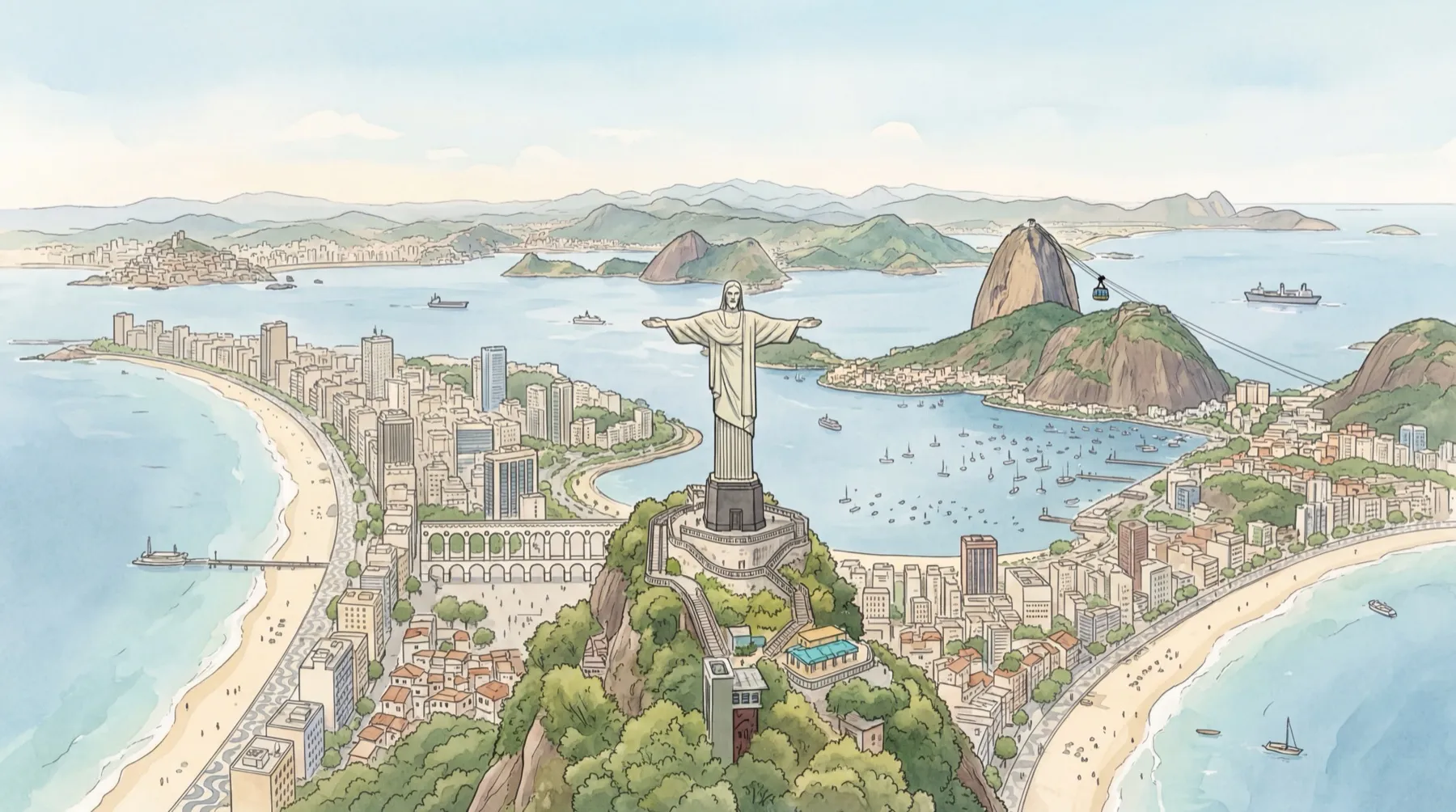
Rio de Janeiro
🇧🇷 Brazil
Safety Tips for Rio de Janeiro
Scams to avoid, safe areas, and general safety advice
Look, I got robbed in Santa Teresa (the hillside arts district) walking from Largo do Guimarães back to my hostel at 10pm. Two guys on Ladeira de Santa Teresa, phones and wallet gone in 30 seconds. Here's what nobody tells you about Rio's geography of danger.
Here's the thing about Rio's specific risks:
Don't take the Santa Teresa tram (bondinho) after 5pm — It passes through Lapa tunnel where robberies spike after dark. Don't walk up any of the ladeiras (hillside streets) connecting Santa Teresa to Centro after sunset, period. The R$25 Uber from Santa Teresa to Zona Sul beats becoming another gringo crime statistic tourists never hear about.
Favela Tourism Reality Check
Skip the Rocinha favela tours — It's poverty tourism that benefits tour companies, not residents. If you're determined to see favela life, visit Museu da Maré (R$10 entry) for honest education about favela history without gawking. Located in Complexo da Maré, accessible via Linha Vermelha bus with security.
Neighborhood-Specific Street Smarts
Stay in Zona Sul (Ipanema/Leblon/Copacabana) where UPP police units patrol regularly. Avoid Centro after 7pm — Financial district empties completely, becomes robbery central. Never flash electronics near any of the tunnel entrances (Túnel Rebouças, Túnel Santa Bárbara) where criminals wait for targets transitioning between neighborhoods.
 mikeNYC
About Rio de Janeiro
Brazil's former capital spreads between Tijuca mountains and Atlantic Ocean beaches including world-famous Copacabana and Ipanema. Christ the Redeemer statue and Sugarloaf Mountain define this UNESCO World Heritage cultural landscape.
Destination Stats
Know something locals know? Share your insider tip.
+ Share a Tip