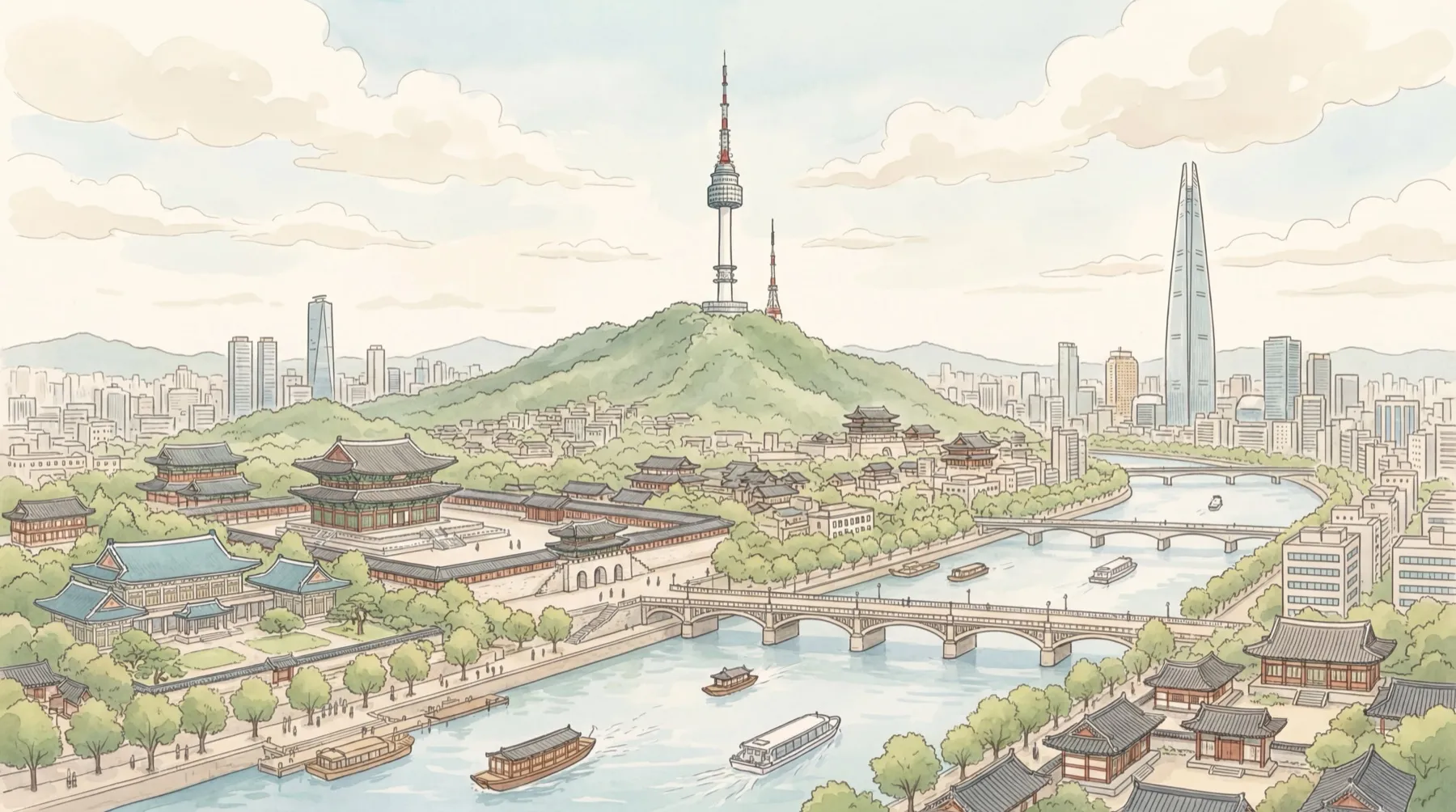
Seoul
🇰🇷 South Korea
Culture Tips for Seoul
Local customs, traditions, museums, and art
Insadong's main strip floods with tour groups sipping overpriced green tea in sterile shops. The real tea treasures hide in narrow side alleys and upper floors of traditional hanok buildings, where Seoul's tea masters quietly serve exceptional Korean varieties.
Suyeonsanbang (수연산방) sits tucked behind the main street in a gorgeous hanok with private garden seating. Their wild green tea from Hadong region costs 12,000 won per pot but represents three generations of tea farming knowledge - the owner personally visits tea mountains and selects leaves. The garden courtyard feels like drinking tea in ancient Korea, complete with traditional pottery and seasonal flowers.
For something truly special, climb to the second floor hanok housing Cha Masineun Tteul (차 마시는 뜰). This feels exactly like sipping tea in someone's grandmother's living room, complete with floor cushions and aged wooden beams. They serve rare Korean varieties like woojeon (early spring green) and sejak (first flush) that most Seoul tea shops don't even know exist.
Both locations open at 10am and close by 9pm. Navigate using Insadong-gil 32 as your reference point, then follow the small wooden signs down narrow alleys. Real tea culture requires a bit of hunting, but these hanok sanctuaries reward patience with Seoul's most authentic tea ceremony experiences.
While Seoul drowns in identical Starbucks branches, discerning travelers discover O'sulloc Tea House for an authentic Korean tea experience that connects you to centuries-old traditions. Their Bukchon Hanok Village and Samcheong-dong locations occupy beautifully restored traditional buildings, creating the perfect atmosphere for proper tea appreciation.
The star here is omija tea (five-flavor berry) - a complex brew that literally tastes sweet, sour, salty, bitter, and spicy simultaneously as you sip. It's made from Schisandra berries that grow wild in Korean mountains, and the flavor journey is unlike anything in Western tea culture. Their Jeju green tea lattes use authentic matcha from Korea's tea island, not the artificial powder most cafés pass off as 'matcha.'
Beyond the exceptional teas, O'sulloc sells gorgeous traditional tea sets - celadon cups, bamboo whisks, and elegant pots that make perfect Seoul souvenirs for tea lovers. The staff genuinely knows their teas and can guide you through proper brewing techniques, transforming a simple drink break into cultural education.
During peak tourist season, arrive early afternoon when the spaces are quieter and you can actually hear the gentle ceremony of proper tea preparation. It's a mindful counterpoint to Seoul's relentless pace, and infinitely more rewarding than another overpriced frappuccino.
 parkhopper
Seoul Central Mosque in the international Itaewon district welcomes respectful visitors outside prayer times, offering insight into Korea's growing Muslim community. This elegant structure, the largest mosque in Korea, features traditional Islamic architecture with a cultural center downstairs that hosts educational programs and community events.
Modest dress is required for entry - loose-fitting clothing that covers arms and legs, with head coverings available for women if needed. The mosque's peaceful interior provides a contemplative break from Seoul's intensity, and staff are genuinely welcoming to curious travelers who show respect for the sacred space.
The surrounding Itaewon neighborhood has evolved into Seoul's unofficial halal district, with certified restaurants serving the local Muslim community. Turkey Central offers excellent döner kebabs and pide, while Petra Palace serves authentic Jordanian mansaf and mezze platters. The nearby Islamic market stocks everything from halal meat to Middle Eastern spices and religious texts.
Prayer times are posted on the mosque's website, and Friday prayers draw Muslims from across Seoul, creating a vibrant community atmosphere. Whether you're Muslim seeking connection or simply interested in Seoul's religious diversity, this area offers authentic cultural exchange in Korea's most international neighborhood.
Jogyesa temple in jongno offers peaceful buddhist atmosphere right in central seoul. The temple grounds create incredibly serene environment with traditional architecture and courtyard gardens. Proper etiquette: remove shoes before entering any hall, bow slightly when passing monks, maintain silence during any ceremonies. Observe respectfully and photography allowed in courtyards never inside halls during services. Best accessed via jonggak station line 1 exit 2 - 3 minute walk. Temple grounds open until 10 pm offering peaceful escape from city energy
Traditional markets in Jongno-gu still use Korean age counting. You're born at 1 year old, everyone ages up January 1st regardless of birthday. So your international 20 becomes Korean 22 when buying alcohol at Gwangjang Market vendors.
Don't argue with the dried fish ajumma about your age - she's counting Korean style and fighting it just marks you as clueless foreigner. Accept your temporary promotion to elder status and move on.
 l_train_kid
Tucked away in seongbuk-dong feels like stepping back in time. Traditional hanok converted into tearoom with low wooden tables floor cushions overlooking tiny garden. Serve proper korean teas - omija (five-flavor berry) yujacha (citron) nokcha (green tea) - along with traditional sweets like yakgwa honey cookies. Tea ceremony experience about 25000 won includes three different teas with explanations of brewing process. Owner speaks decent english explains each tea's properties and brewing method. Near hansung university station requires 10-minute uphill walk through residential streets. Call ahead to reserve - only about 8 tables
 teahunter
Korean office colleagues invite you to hoesik in Jongno-gu after work. This isn't optional social time - it's mandatory team bonding with strict drinking protocol you can't escape.
Round one: galbi restaurant with soju bottles. Round two: chicken and beer at hof. Round three: noraebang until 3am. Refusing drinks considered seriously rude especially from senior colleagues.
Never pour your own drink, always receive with both hands, drink when others drink. Broke these rules once during my first Seoul hoesik, still cringe remembering the awkward silence.
Korean age counting makes you 1-2 years older which determines subway senior discounts, restaurant seating arrangements, and how Seoul waitstaff address you at traditional places in Jongno-gu.
Don't waste energy explaining international age to Gwangjang Market vendors or temple ticket booths. Just accept your Korean age and move on - fighting it marks you as cultural outsider.
 samgreer
Jogyesa Temple 4-6am morning chanting provides authentic Buddhist experience versus empty tourist visits. Remove shoes before entering Daeungjeon main hall, bow slightly to Buddha statues, keep voices minimal during meditation.
location and access
Located in Jongno-gu near Anguk Station exit 6. Bongeunsa Temple in Gangnam offers similar early services but Jogyesa more accessible for central Seoul visitors.
photography etiquette
Courtyard photos acceptable but never photograph inside halls during active ceremonies. Morning chanting is photography-free zone out of respect for practitioners.
 zoeberry
Seoul Central Mosque in Itaewon welcomes respectful visitors outside prayer times. Friday prayers around 12:30-1:20pm, daily prayers adjust for Korean timezone. Modest dress required - coverings available at entrance if needed.
The surrounding streets developed into Seoul's Islamic quarter. Several halal restaurants, Middle Eastern groceries, welcoming Muslim community. Makan Halal Restaurant does excellent halal Korean BBQ for curious visitors.
From Itaewon Station Line 6, Exit 3, short uphill walk.
Traditional Seoul restaurants in Jongno-gu still use Korean age counting - you're born at age 1, everyone ages up January 1st regardless of birthday. Makes you 1-2 years older affecting how ajummas address you.
Determines how Gwangjang Market vendors speak to you and social dynamics at traditional Seoul establishments. Most young Koreans use international age casually but older Seoul restaurant workers stick to traditional system.
Don't argue about it at Myeongdong night market stalls, just accept temporary promotion. Creates awkward Seoul moments when you're suddenly same age as someone you thought was younger.
 backpacksally
About Seoul
South Korea's capital blends ancient palaces with cutting-edge technology and K-pop culture. Gyeongbokgung Palace stands near Gangnam's skyscrapers and traditional markets like Dongdaemun.
Destination Stats
Know something locals know? Share your insider tip.
+ Share a Tip