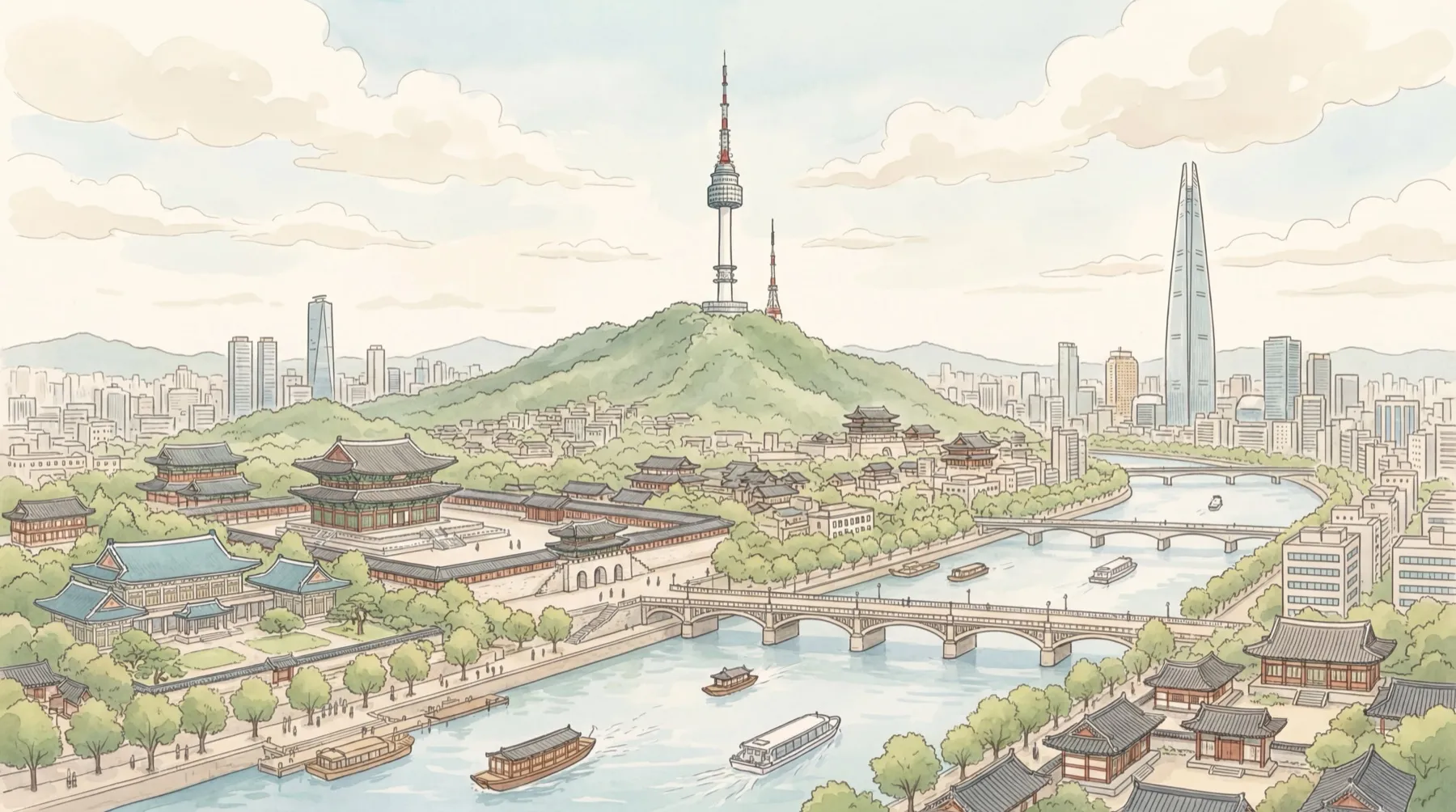
Seoul
🇰🇷 South Korea
Travel tips for Seoul
92 tips from 59 contributors
Honestly everyone goes to gwangjang during the day and its a complete tourist nightmare. Wall to wall people taking instagram photos of bindaetteok while the ajummas are trying to cook. The real magic happens after 9pm when locals come for dinner and drinks and the energy completely transforms.
Take line 1 to jongno 5-ga station exit 8 and enter from the main entrance on jongno. Everything is fresh off the griddle at night - those mung bean pancakes are crispy perfection when theyre hot instead of sitting around getting soggy. Get some makgeolli to wash it down and try the sundae blood sausage if youre brave enough. Trust me the prices drop too - bindaetteok goes from 7000 to 5000 won after tourist hours.
Stick to the left side stalls near the entrance - theyve been there for 30+ years and honestly know what theyre doing. Dont be scared to point and smile once you break the ice with the ajummas theyre actually really sweet and will pile extra banchan on your plate. The mayak gimbap lady near the back corner makes the best drunk snacks at 1000 won per plate trust me on this.
Pro tip honestly bring cash only and dont leave before trying the nokdu jeon pancakes with a shot of soju. The whole vibe changes after dark way more authentic and less performative than the daytime tourist theater.
 renobird
Between 10am-5pm bukchon can become absolutely chaotic during official visiting hours! Tour groups everywhere, people in rented hanbok posing for hours on every corner, those narrow traditional alleys completely gridlocked with selfie sticks. But arrive at 6am and experience pure magic!
The golden light hitting those traditional rooflines is absolutely incredible, you'll see actual residents going about their morning routines, and hear birds singing instead of constant camera shutters clicking! Start from anguk station line 3 exit 1 and work your way up through the residential sections first. The steep climb through gahoe-dong rewards you with the most photogenic traditional architecture in seoul!
The main instagram photo spots near gyeongbokgung palace will still get busy after 8am, but the upper neighborhoods around bukchon-ro 11-gil stay peaceful if you time it perfectly! Walk slowly through samcheong-dong afterward for traditional tea houses opening around 7:30am. Just remember these are peoples actual homes - keep voices low and respect private spaces!
Pro festival tip! Visit during chuseok harvest festival in september when residents hang traditional lanterns - the whole village glows at dawn and feels like stepping back 500 years! The autumn light is spectacular for photography and locals often share traditional treats with early morning visitors!
Those fancy gangnam spots charging 50,000 won per person? Complete tourist scams. Real koreans hit family joints in residential areas. Better meat quality, half the cost, zero pretense.
Mapo-gu district has seoul's highest concentration of legit neighborhood spots. Look for plastic stools, old tile floors, zero english signage. Gop chang jeongol near hongik university station exit 9 does incredible pork galbi - 15,000 won total with unlimited banchan refills until you surrender.
Ajumma grills everything perfectly. Keeps kimchi and lettuce coming. Cuts meat with kitchen shears between your bites. If construction workers line up at lunch, you found gold. Try the neighborhood spot at 47 wausan-ro 29-gil - been there 25 years, same family, same recipes.
Skip the marbled hanwoo unless you're celebrating something major. Pork galbi tastes better anyway. Real test: kimchi jjigae quality. Tourist joints serve watery garbage. Family spots serve deep fermented fire that clears sinuses and builds character.
 marco_93
Everyone hits namsan for sunset instagram shots, but sunrise runners own this mountain! Start from myeongdong station exit 3 at 5:30am sharp, take the winding namsan park trail up to n seoul tower. You'll summit just as city lights fade and sunrise breaks over the han river - pure running bliss.
Perfect 3.2km route with 262m elevation gain - solid morning workout without being brutal. Zero crowds until 8am, cool temperatures, incredible 360-degree views of seoul waking up below you. The trail is well-maintained with distance markers every 500m and emergency call boxes for safety.
Pro running tip: bring headlamp for the first 20 minutes and exact change for summit vending machines. Cable car doesn't start until 10am so you own the entire observation deck! The elderly korean folks doing morning taichi exercises will cheer you on - they love seeing international runners tackling their mountain.
Post-run reward: grab kimbap and sports drinks at the 24-hour convenience store near myeongdong station exit 8. Perfect recovery fuel after conquering seoul's most famous peak! Weather permitting, visibility extends to incheon on clear mornings - absolutely stunning payoff for the early alarm.
 runroutes
After wandering through Gyeongdong Market's overwhelming ginseng aromas and traditional medicine chaos, ducking into Cha no Hana provides the most delightful respite. Their ceremonial matcha service (18,000 won) includes proper whisking demonstration and seasonal wagashi.
Located just 15 minutes walk from Jegi-dong station, this traditional tea house occupies a beautifully restored hanok with floor seating overlooking a zen garden. The matcha comes from Uji prefecture - such lovely quality compared to the chain coffee nonsense flooding Seoul.
Their afternoon tea set pairs organic Korean green teas with delicate rice cakes for 25,000 won. The sencha selection changes seasonally and the staff actually understands brewing temperatures unlike most cafes. Perfect transition from the sensory assault of medicinal markets to proper tea meditation.
Open daily except Mondays 10am-7pm. Reserve ahead for weekend traditional tea ceremony experiences - quite popular with locals seeking authentic moments between Seoul's relentless modernization.
Forget those 50,000 won hop-on-hop-off tourist traps. Seoul's bus 7016 is basically a guided city tour that costs less than a subway ride. This 90-minute journey from Gangnam Station to Hongdae hits every major Seoul highlight while locals commute to work - the most comprehensive single route available.
Board at Gangnam Station Exit 1, grab a window seat on the right side. You'll cruise past gleaming corporate towers, wind through scenic Banpo Bridge area with Han River views, roll through historic Yongsan district, and end up in student-packed Hongdae. It's like watching Seoul transform from business district to university playground in real time.
The Han River crossing section alone beats any tour bus route - you get unobstructed views of rainbow bridges and city skyline that subway riders never see. Use your T-money card and download the Seoul Bus app. Skip rush hours but mid-morning or afternoon rides are pure gold.
Pro tip: weekday afternoons around 2pm have the least crowds and best light for photos. While regular buses are great, this specific route offers the most complete Seoul overview in one journey.
 passportpages
Insadong's main strip floods with tour groups sipping overpriced green tea in sterile shops. The real tea treasures hide in narrow side alleys and upper floors of traditional hanok buildings, where Seoul's tea masters quietly serve exceptional Korean varieties.
Suyeonsanbang (수연산방) sits tucked behind the main street in a gorgeous hanok with private garden seating. Their wild green tea from Hadong region costs 12,000 won per pot but represents three generations of tea farming knowledge - the owner personally visits tea mountains and selects leaves. The garden courtyard feels like drinking tea in ancient Korea, complete with traditional pottery and seasonal flowers.
For something truly special, climb to the second floor hanok housing Cha Masineun Tteul (차 마시는 뜰). This feels exactly like sipping tea in someone's grandmother's living room, complete with floor cushions and aged wooden beams. They serve rare Korean varieties like woojeon (early spring green) and sejak (first flush) that most Seoul tea shops don't even know exist.
Both locations open at 10am and close by 9pm. Navigate using Insadong-gil 32 as your reference point, then follow the small wooden signs down narrow alleys. Real tea culture requires a bit of hunting, but these hanok sanctuaries reward patience with Seoul's most authentic tea ceremony experiences.
While tour buses clog Bukchon's narrow alleys, Seochon neighborhood offers equally stunning hanok architecture with a fraction of the crowds. This quiet village between Gyeongbokgung Palace and Inwangsan Mountain delivers golden-hour magic that makes every film frame count.
The narrow stone pathways between traditional houses create natural leading lines perfect for 35mm composition. Late afternoon light (4-6pm) filters through hanok eaves and creates dramatic shadows across weathered walls. My favorite shooting spot: the steep hill leading toward Inwangsan where layered traditional rooftops stack against mountain backdrop like a Korean painting.
Tongin Market (통인시장) near Gyeongbokgung Station Exit 2 opens at 7am sharp with incredible character shots. Vendors setting up produce stalls, elderly locals buying ingredients for the day, steam rising from hotteok stands - pure Seoul morning energy before tourists arrive. The market's coin-operated lunch box system makes for fascinating cultural documentation.
Film developing: Photo galleries near Hongik University offer same-day processing for 8,000-15,000 won per roll. Seochon rewards patient photographers with Seoul's most photogenic traditional architecture minus the selfie sticks and tour group chaos.
 cammie_k
This unassuming spot near Myeongdong shopping district has been hand-pulling noodles and wrapping dumplings since 1966, earning a Michelin Bib Gourmand while keeping prices ridiculously low. Yes, you're in tourist central, but this place proves authentic food exists even in heavily touristed areas.
Order the signature chicken kalguksu (knife-cut noodle soup) with extra mandu dumplings - the combo runs just 8,000-12,000 won ($6-9 USD). The hand-cut noodles are gorgeously thick and chewy, swimming in a deceptively simple but deeply savory broth that takes hours to achieve. Each dumpling is palm-sized, stuffed with seasoned pork and vegetables.
The line of office workers and food-obsessed locals outside tells you everything - this isn't tourist theater, it's the real deal surviving in tourist territory. From Myeongdong Station Exit 8, walk 200 meters toward the cathedral and look for the crowd. The handwritten Korean-only menu keeps things authentic despite the location.
 rodrigo_sp
Dongdaemun Design Plaza gets Instagram attention, but the real action happens in the massive wholesale towers that never sleep. Most tourists hit the evening fashion markets, missing the mind-blowing pre-dawn wholesale operations that fuel Seoul's entire retail ecosystem.
4am-7am reveals Dongdaemun's true character: 20+ floors of Doota and Migliore buildings buzzing with vendors moving massive quantities. Fabric wholesalers on floors 8-12 prepare textiles for fashion districts, electronics dealers stock phone accessories by the thousand, and street food vendors feed exhausted night shift workers with steaming bowls of gamjatang.
Evening scene (9pm-3am) transforms into trendy fashion paradise. Young Koreans browse cutting-edge designs, club crowds emerge from nearby venues, and late-night snack stalls serve Korean fried chicken until dawn. Completely different energy - polished, social, Instagram-ready.
Jet-lagged and awake at 5am anyway? Skip hotel breakfast and hit the wholesale floors. Grab hotteok and black coffee from street vendors outside Dongdaemun History & Culture Park Station Exit 14, watch Seoul's supply chain in action, then crash back at your hotel. This morning hustle reveals Seoul's work ethic that powers everything tourists see later.
Pro tip: bring cash for street vendors and wear comfortable shoes - these wholesale floors stretch forever and elevators get packed.
 siennna
Everyone crowds onto Banpo Bridge for Seoul's famous rainbow fountain show, elbowing for space and straining necks. Smart move for special occasions: watch from Han River cruise boats for unobstructed views, comfortable seating, and zero crowd stress.
Evening cruises run during fountain show times (sunset-10pm April through October) for 15,000-18,000 won. Board at Banpo Hangang Park E-Land Cruise terminal near Express Bus Terminal Station Exit 8-1. More expensive than regular ferry service, but the full rainbow fountain spectacle looks incredible from water level, plus bonus views of illuminated bridges and downtown skyline.
The water perspective changes everything - fountain sprays create perfect arcs against city lights, positioned for optimal photos without fighting bridge crowds. Boats circle slowly during 15-minute shows, giving multiple angles impossible from fixed positions.
Book through Han River Cruise website or buy tickets at the terminal. Weekend shows get busy but weeknight cruises often have plenty of space. Premium option when regular commuter ferries don't time right with the shows.
 coastalhike
Seoul's vegan scene goes way beyond quinoa bowls and impossible burgers - this city has centuries-old Buddhist temple cuisine traditions that are naturally plant-based and absolutely spectacular. Skip the obvious Western-style cafés and dive into Korea's most mindful food culture.
Sanchon in Insadong cultural district serves traditional Buddhist temple meals with 20+ different banchan (side dishes) - every single one vegan and bursting with umami. The 35,000-45,000 won ($26-34) lunch set includes seasonal vegetables prepared using techniques monks have refined for centuries. It's meditative eating at its finest, with flavors that prove you don't need meat for satisfying Korean food.
For casual plant-based Korean comfort food, Plant in multicultural Itaewon serves mind-blowingly convincing vegan Korean fried 'chicken' and bulgogi made with seasoned soy protein. The texture and flavor are so spot-on that omnivore friends won't believe it's plants. You get the full Korean BBQ experience - grilling at your table, traditional banchan, ssam lettuce wraps, the works.
Both spots prove Seoul's plant-based food isn't about substitutes or compromises - it's about incredible Korean flavors that happen to be vegan. The temple cuisine especially offers something you literally cannot find anywhere else in the world.
While Seoul drowns in identical Starbucks branches, discerning travelers discover O'sulloc Tea House for an authentic Korean tea experience that connects you to centuries-old traditions. Their Bukchon Hanok Village and Samcheong-dong locations occupy beautifully restored traditional buildings, creating the perfect atmosphere for proper tea appreciation.
The star here is omija tea (five-flavor berry) - a complex brew that literally tastes sweet, sour, salty, bitter, and spicy simultaneously as you sip. It's made from Schisandra berries that grow wild in Korean mountains, and the flavor journey is unlike anything in Western tea culture. Their Jeju green tea lattes use authentic matcha from Korea's tea island, not the artificial powder most cafés pass off as 'matcha.'
Beyond the exceptional teas, O'sulloc sells gorgeous traditional tea sets - celadon cups, bamboo whisks, and elegant pots that make perfect Seoul souvenirs for tea lovers. The staff genuinely knows their teas and can guide you through proper brewing techniques, transforming a simple drink break into cultural education.
During peak tourist season, arrive early afternoon when the spaces are quieter and you can actually hear the gentle ceremony of proper tea preparation. It's a mindful counterpoint to Seoul's relentless pace, and infinitely more rewarding than another overpriced frappuccino.
 parkhopper
Seoul Central Mosque in the international Itaewon district welcomes respectful visitors outside prayer times, offering insight into Korea's growing Muslim community. This elegant structure, the largest mosque in Korea, features traditional Islamic architecture with a cultural center downstairs that hosts educational programs and community events.
Modest dress is required for entry - loose-fitting clothing that covers arms and legs, with head coverings available for women if needed. The mosque's peaceful interior provides a contemplative break from Seoul's intensity, and staff are genuinely welcoming to curious travelers who show respect for the sacred space.
The surrounding Itaewon neighborhood has evolved into Seoul's unofficial halal district, with certified restaurants serving the local Muslim community. Turkey Central offers excellent döner kebabs and pide, while Petra Palace serves authentic Jordanian mansaf and mezze platters. The nearby Islamic market stocks everything from halal meat to Middle Eastern spices and religious texts.
Prayer times are posted on the mosque's website, and Friday prayers draw Muslims from across Seoul, creating a vibrant community atmosphere. Whether you're Muslim seeking connection or simply interested in Seoul's religious diversity, this area offers authentic cultural exchange in Korea's most international neighborhood.
Seoul's premier running route follows the Han River through Yeouido Hangang Park - a perfectly flat 10km loop with zero traffic lights, no street crossings, and incredible water views the entire way. This is where Seoul's serious runners train, from dawn joggers to evening fitness groups, making it the city's unofficial running headquarters.
Best Times: Hit the path between 6-7am for sunrise over the river and cooler temperatures, or evening after 6pm when the city lights reflect on the water. Summer mornings are crucial - by 9am the heat becomes brutal.
Logistics: Take Subway Line 5 to Yeouinaru Station, Exit 1 leads directly to the path. Water fountains every 2km keep you hydrated, and clean bathrooms are located at the main park pavilion (4km mark). The path surface is smooth asphalt, perfect for tempo runs without ankle-rolling concerns.
Extensions: Connect to other Hangang parks for longer distances - the path stretches 40km total along Seoul's river system. Banpo Rainbow Bridge (famous for its musical fountain) is 8km east if you want a destination run.
The steady river breeze creates a natural air conditioning effect that makes this feel 5 degrees cooler than city streets. Plus, you're running through the heart of Seoul with skyscraper views most tourists never see from ground level.
Visit Ihwa dong mural village around 6-7am for the most peaceful experience. Those steep alleys covered in street art become completely different without tour groups and Instagram photographers arriving after 10am.
Murals tell neighborhood history stories, early light makes colors pop. Plus you'll see actual locals - hanging laundry, walking to work - adds authenticity to the art covered walls. Lived here for three weeks last year and mornings were always best.
Hyehwa station line 4, walk uphill 15 minutes. Wear good shoes, alleys are steep and some paths narrow stone steps.
Skip the main plaza tourist busker scene near exit 9. Real Hongdae music happens in Hongik Children's Park Friday-Saturday nights where actual indie musicians gather.
Hip-hop cipher battles start 9pm sharp by the basketball courts. These aren't performing for tips - they're testing new material before club gigs. Energy when crews face off is electric.
Acoustic sessions run earlier around 7pm under the trees. Seen signed artists from indie labels just jamming for fun. Much more intimate than the main square circus.
Sanchon in insadong serves traditional buddhist temple cuisine completely vegetarian but incredibly satisfying. Set menu (45000 krw) includes 20+ small dishes using techniques that make vegetables taste like meat. Kimchi here made without fish sauce they serve mock fish made from tofu honestly better than actual fish. Reservations essential especially for weekend temple food experience where they explain each dish. Expensive for korean standards but unesco-level cultural heritage cooking. Even hardcore carnivores leave impressed
Show up to namdaemun market at 6:30am you'll see completely different world. Vendors having breakfast and setting up for day, prices most flexible you can actually move around without fighting crowds. Best deals before 8am when vendors want to clear yesterday's inventory. Watch ajummas sort mountains of clothing vendors prepping street food for day. Grab breakfast at tiny stalls inside - pajeon and makgeolli for breakfast surprisingly perfect
 marketsunday
Skip touristy Hongdae main strip. Real student goldmine is Ewha back gate area where broke uni students actually eat. Tteokbokki cart outside gate 3 serves massive portions for 2,000 won that'll feed you properly.
Ajumma adds extra fishcake and ramyeon noodles if you ask nicely in korean. Open until 2am serving students pulling all-nighters at nearby PC bangs. Way better than overpriced Sinchon commercial stuff.
Plus you see real Seoul student culture not tourist performance. Living that broke life but eating like royalty for pocket change lol
 jessnight
About Seoul
South Korea's capital blends ancient palaces with cutting-edge technology and K-pop culture. Gyeongbokgung Palace stands near Gangnam's skyscrapers and traditional markets like Dongdaemun.
Destination Stats
Know something locals know? Share your insider tip.
+ Share a Tip