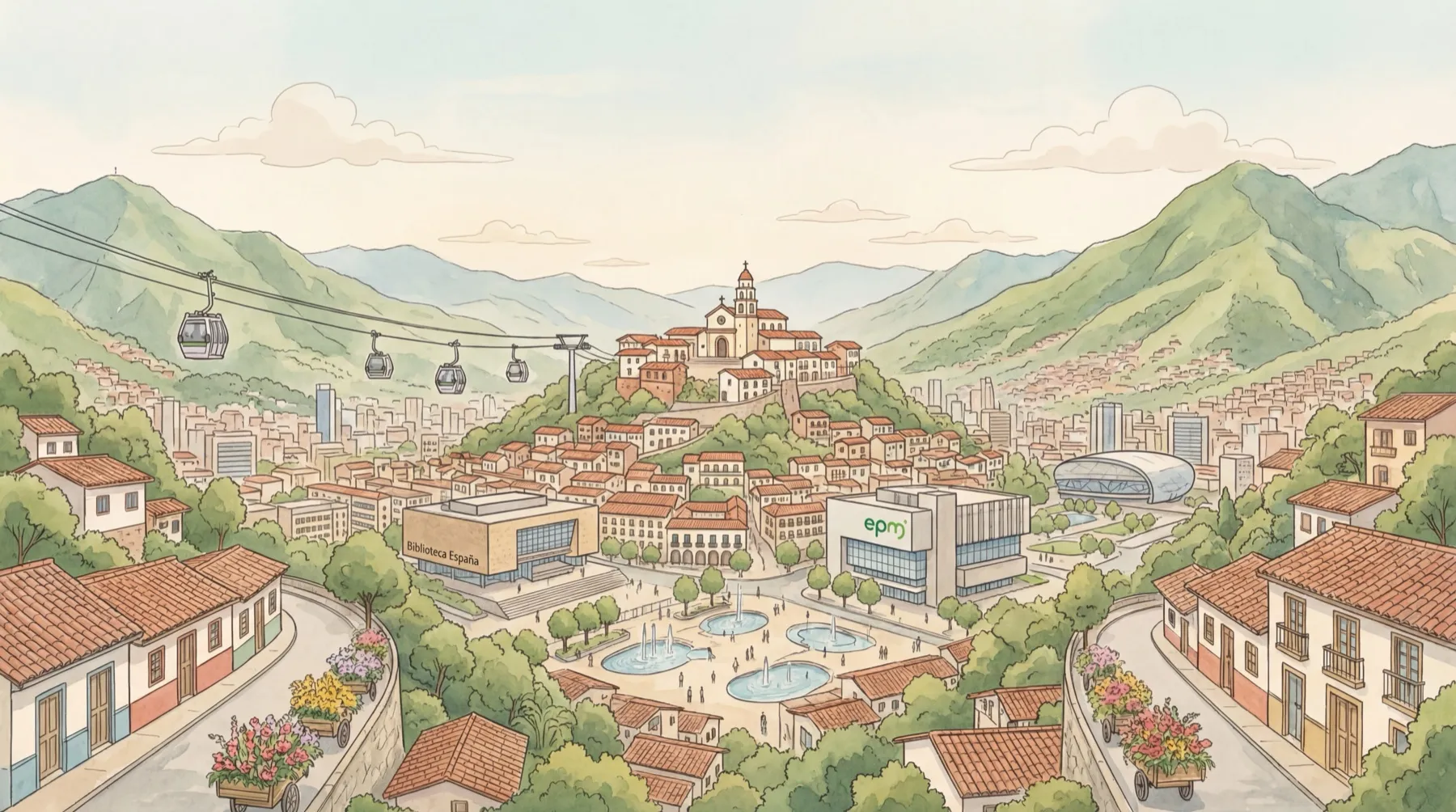
Medellín
🇨🇴 Colombia
Travel tips for Medellín
19 tips from 19 contributors
Metro Line B to San Javier station costs exactly 3,650 COP with Cívica card. Eight-minute walk uphill to escalator base. Total cost under 4,000 COP including tips versus 60,000-80,000 COP for guided tours (15-20 USD). That's literally 1/20th the price for seeing identical murals and escalators.
Escalators are free and well-marked with clear signage. Locals point you toward Comuna 13 entrance if you look lost. No reservation needed, no waiting for tour groups to move. Art speaks for itself — You don't need someone reading Wikipedia facts at you for an hour while charging premium markup.
Brought 10,000 COP for tips, spent exactly 5,000 COP total on breakdancers and street performers. Some tourists tip 20,000+ COP per performance which inflates expectations for everyone. Reasonable tips are 1,000-2,000 COP per act.
Pro budget move: Visit weekday mornings before 10am to avoid cruise ship crowds from Cartagena. Weekend afternoons become tourist zoos with inflated prices. Save your money for actual experiences, not tour guide markup that adds zero value to obvious street art viewing.
 cheapcharlie
Card System and Pricing
Cívica Card: 10,000 COP refundable deposit at any station machine. Single ride pricing: 2,750 COP for short trips (1-5 stations), 3,250 COP for medium distance (6-12 stations), 3,650 COP maximum distance (full line traversal like Niquía to El Poblado). Load value at yellow machines with cash or card. Note that journeys to San Javier typically fall in the maximum distance category.
Line Configuration and Key Stops
Line A (blue): Niquía to El Poblado, primary north-south corridor serving Universidad, Parque Berrío (city center), and Poblado stations. Line B (orange): San Antonio to San Javier, east-west connection through downtown core. San Antonio serves as the central transfer hub between both lines.
Platform Navigation and Transfers
Platform signage in Spanish only: "Dirección El Poblado" indicates southbound Line A, "Dirección Niquía" northbound Line A. "Dirección San Javier" westbound Line B. At San Antonio transfer, follow overhead signs for line changes. Allow 3-5 minutes for transfers during peak hours (7-9am, 5-7pm).
Metrocable Integration
Acevedo Station (Line A): Free cable connection to Santo Domingo, then 4,200 COP continuation to Parque Arví. San Javier Station (Line B): Exit to Carrera 89, eight-minute uphill walk to Comuna 13 escalators. Metrocable operates same schedule as metro system.
Operating Hours
Monday-Friday: 4:30am-11:00pm
Saturday: 5:00am-11:00pm
Sunday/Holidays: 5:00am-10:00pm
Frequency: 3-4 minutes during peak, 7-10 minutes off-peak
 metromarc
The energy at Mondongos near Plaza Botero (central square with Botero sculptures) feels genuinely connected to Medellín's culinary roots. Their chicharrón achieves that perfect crunch-to-fat ratio that speaks to generations of technique. The beans hold their shape instead of becoming the mushy disaster served at tourist spots.
Hacienda by the Antioquia Museum offers a more refined approach while maintaining authenticity. Their rice technique creates separate grains rather than sticky clumps. Decent chorizo, properly seasoned beans, around 22,000 COP for a plate that will ground you completely for the next hour.
Those Instagram-worthy spots in El Poblado (upscale neighborhood) charging 35,000+ COP serve pretty plating with zero soul. Real bandeja paisa should cost under 25,000 COP and leave you in a blissful food coma. The nourishing weight of authentic preparation versus flashy presentation speaks volumes.
Trust your intuition about place energy — Avoid anywhere with English menus or staged photos on walls. These are immediate signs of tourist markup and disconnection from traditional preparation methods. Authentic spots feel lived-in, with locals who've been coming for years creating that unmistakable community vibe.
 yogamat_
The 649-step climb up El Peñol's granite face offers no mercy and no shortcuts. Around 24,000 COP entrance fee, plus whatever you'll spend on overpriced drinks while recovering at the summit. This ascent will humble anyone not in solid cardiovascular shape — Took me 45 minutes with screaming legs by step 600.
Rest platforms appear every 100 steps but become bottlenecks as people catch their breath. The stone stairway carved directly into the rock face provides zero shade, making afternoon climbs particularly brutal. Start your ascent before 9am to avoid blazing sun exposure during the steepest sections.
Proper footwear with good grip proves essential — Witnessed three people in flip-flops struggling dangerously on wet stone steps. Bring your own water rather than relying on expensive summit vendors. The concrete handrails become your best friend, especially during descent when your knees bear the brunt.
The panoramic views across Guatapé's emerald reservoir system justify every burning step, but approach this climb with respect for its physical demands. Early morning timing also provides softer light for photography and fewer crowds blocking the narrow stairway. This isn't a casual tourist activity — It's a legitimate physical challenge that rewards preparation.
Forget december tourist chaos. Feria de las flores in august is when medellín actually shows you its soul - ten days of parades, live music stages on every corner, and flower displays that'll make you question why you ever thought tulips were impressive.
The silleteros parade will wreck you emotionally. Campesinos carrying 70-pound flower arrangements on wooden frames strapped to their backs, walking 15km through the city. It's been happening since 1957 and somehow still feels like witnessing magic instead of a tourist show. Parade starts 8am at parque norte metro station if you want front row chaos.
Hotels book solid 2 months ahead because colombians travel for this festival too - even locals know it's special. But that energy is infectious. Impromptu salsa circles in every plaza, free concerts in parque berrío, perfect 22°C weather that's dry but not blazing. Plus you're experiencing authentic paisa culture happening around you, not performed for your instagram.
Way better than fighting gringo crowds and inflated december prices. August is when medellín belongs to everyone who actually cares about being here.
Everyone treats El Poblado like some magical safety bubble, but here's the harsh reality — It has one of the highest robbery rates in Medellín precisely because thieves know where the money concentrates. Wealthy neighborhoods attract criminals everywhere, from Casablanca to Zona Rosa. Basic criminal economics, not rocket science.
Keep phones in front pockets, never wave them around for photos like you're advertising your wealth. Walk against traffic flow to spot motorcycle snatchers approaching — This simple habit saved me from a grab attempt near Zona Rosa. Don't flash jewelry or pull out thick wallets at restaurants like you're proving your tourist status to every watching thief.
Parque Lleras after 9pm transforms into sketchy territory despite visible police presence. Drink spiking incidents happen regularly but nobody discusses it openly because it hurts the party reputation. Never leave drinks unattended, period. That Instagram-worthy nightlife scene comes with real risks that guidebooks won't mention.
Use Uber after dark instead of walking around thinking nice buildings equal safety. Thieves specifically target this area because tourists carry cash, expensive phones, and assume they're protected by the upscale environment. Stay alert, trust your instincts, and remember that criminals choose their hunting grounds strategically — Wealthy areas top that list globally.
 nadia_m
Laureles destroys El Poblado for budget travelers every single time. Hostels run 25,000-35,000 COP ($7-10) versus 40,000-55,000 COP ($11-15) in tourist-heavy El Poblado, and you're still connected via metro for easy access to everything that matters. Stayed 3 weeks at Hostal Laureles near Estadio metro and felt like part of the actual neighborhood.
Food costs tell the real story. Proper local restaurants charging 8,000 COP ($2.20) for bandeja paisa instead of tourist markup bullshit. Plus you meet actual Colombians instead of just other backpackers and digital nomads constantly. The fruit vendor outside Estadio metro knows my aguacate preferences now - that's the kind of connection you miss in sterile El Poblado.
El Poblado nightlife access is seriously overrated. The party scene has gross sex tourism vibes that make solo female travelers uncomfortable, and drinks cost twice as much for half the authenticity. Laureles feels like where people actually live their lives - kids playing football in Primer Parque, families sharing empanadas on weekends.
Only downside is less English spoken, but that forces Spanish practice which accelerates learning anyway. Metro Line A connection means Botero Museum, cable cars to Comuna 13, and other tourist spots remain easily reachable during day trips. You get authentic neighborhood life without sacrificing accessibility to the must-see stuff.
 backpacksally
We learned the hard way to skip Parque Lleras (the main gringo nightlife zone) completely. Overpriced watered-down drinks served to tourists who don't know any better, and we definitely fell into that trap our first night.
Zorba near Palacio de la Cultura (the grand white cultural center downtown) became our regular spot. Actual cocktails made by bartenders who muddle their own herbs and know the difference between mezcal and tequila. Live jazz some Thursday nights, though their scheduling is wonderfully Colombian - meaning flexible. Carrera 52 #52-03, cash preferred.
El Chappeau in Laureles (residential neighborhood, Estadio metro) feels like your friend's basement bar if your friend happened to stock 30 types of rum. Dive bar aesthetic but the bartender crafts proper drinks. No English menu keeps most tourists away, which creates the perfect local atmosphere we were craving.
Bar Chiquita downtown (Calle 53 near Prado metro) is our secret weapon. Hole-in-the-wall, cash only, generous pours, and we're usually the only non-Colombians there. The kind of place where conversations start over shared appreciation for strong aguardiente and end with phone numbers exchanged for weekend asados.
Medellins vegan scene caught me completely off guard. Ginger Cocina (Carrera 37 in El Poblado near Oviedo metro) does asian-colombian fusion that actually works - their jackfruit carnitas tacos taste better than most meat versions and bao buns dont feel like sad compromise food. Perfect golden hour lighting through those big windows too.
Bettys Bowls has two locations worth shooting - El Poblado and Laureles. Those acai bowls photograph beautifully against their minimalist white backgrounds, but more importantly theyre actually substantial enough fuel for full museum hopping days. Their green goddess bowl has this incredible texture contrast that works in macro shots.
Traditional colombian spots offer unexpected vegan discoveries. Arepas sin queso from street vendors, crispy twice-fried patacones, and tropical fruits youve never heard of. Definitely try lulo and guanabana if your palate hasnt experienced that sweet-tart complexity before. The fruit cart guy on Carrera 70 near Estadio metro always has the ripest selection.
Most colombian food definitely isnt naturally vegan, but what is available tends to be incredibly fresh and thoughtfully prepared rather than afterthought salads. Plus the natural lighting in these neighborhood spots creates beautiful documentary opportunities if youre shooting film.
 cammie_k
This massive public market at Carrera 50B downtown hits you like a freight train – complete assault on every sense with sounds, smells, and colors everywhere you look. Think floating marketplace energy but landlocked and amplified by Colombian intensity.
Best time early morning 7-9am when vendors setting up and energy peaks like high tide. Fresh fruit section alone occupies an hour trying fruits you've never seen – most vendors let you taste first, better than any harbor food tour I've taken.
Meat section isn't for squeamish but fascinating watching butchers work their magic. Flower section incredible especially during wedding season when it's like navigating through a floating garden. Even has live animals and furniture if you're staying longer somehow.
Don't flash camera or expensive phone during busy morning hours – with locals shopping it's perfectly safe if you stay aware like watching for boat traffic. Cash only obviously and prices rock bottom compared to tourist zones. Navigate like you're reading harbor currents – go with the flow, dock at interesting stalls.
What Makes This Tour Special
4-hour downtown experience covering urban transformation, Pablo Escobar era context, and metro system's social impact. English-speaking guides with genuine historical knowledge who lived through the changes, not tourism students reading Wikipedia summaries.
Route and Highlights
Starts Parque Berrio metro station 10am daily. Covers Botero Museum (free Fernando Botero sculptures), Plaza Botero outdoor sculpture park, transformation murals in downtown corridors, and architectural progress examples. Guides address the dark 1980s-90s violence honestly while focusing on remarkable recovery achievements since 2000s urban planning investments.
Booking and Safety
Free tour but tip 30,000-40,000 COP ($8-11 USD) if valuable. Book through Real City Tours website during peak season. Stay alert in El Centro - secure valuables, stick with group, avoid side streets solo.
Why It's Worth Your Time
Having done walking tours in Prague, Berlin, Mexico City, this ranks among best for historical depth. Guide Carlos shared personal stories from growing up during violence years - incredibly powerful perspective you won't get from documentaries. The urban planning aspects showing how infrastructure investment literally changed social dynamics in the comunas will change how you see city development forever.
 tuk2go
Paisa food traditionally mild but El Hueco vendors near Plaza Botero have different standards than Parque Lleras restaurant salsas. Empanadas with green ají range from tourist-friendly to crying-in-public volcanic depending on which cart you choose south of cathedral
Safe bets arepa con queso patacones fresh mango with sal. Medium risk empanadas with vendor green sauce. Danger zone anything downtown vendor specifically warns about or when locals buying same empanadas look genuinely concerned watching you order extra ají
Guarapo vendors add chili powder if requested at 1600 cop. Start small because tourists literally cry over what Medellín locals call mild heat here. Red sauce usually hotter than green despite appearances around Carabobo pedestrian zone
 rodrigo_sp
Metro to Acevedo station, free cable car to Santo Domingo, then 4,200 COP to continue to Parque Arví. The ride itself IS the main attraction – no spicy food involved but the views will burn themselves into your memory just as intensely as the hottest ají.
Rising above city into cloud forest mountains gives perspective no bus tour can match. You're literally floating above neighborhoods, watching city transform from concrete jungle to green canopy. Cool mountain air hits different from city heat below – like stepping from blazing kitchen into air conditioning.
Park has hiking trails and zip lines but cable car views are the real fire here. Morning fog rolling through valleys, afternoon sun lighting up favelas turned into colorful artwork cascading down hillsides. Costs almost nothing compared to overpriced hop-on-hop-off tourist buses that show you traffic and smog from street level.
Pro tip: grab window seat on right side going up for best city views. Return trip gives you different angle as sun moves. Total round trip takes 2-3 hours if you just ride for views, perfect half-day escape that won't destroy your budget like tourist traps downtown.
 spicyway
Alumbrados Navideños transforms entire city into light art from late November through mid-January. River displays, park installations, neighborhoods competing with decorations everywhere you look – like walking through the world's biggest night market but made of pure light magic.
But December 20 through January 7 is absolute madness worse than any street food festival crowd. Traffic gridlock for hours, metro stations overflowing, viewing spots packed like som tam stalls during lunch rush. Arrive before December 15 or after January 8 for your sanity and actually enjoyable experience.
Best strategy walk along Medellín River weeknight evenings 7-8pm when crowds thin like after peak dining hours. Skip organized tours that just sit in traffic – they're like tourist restaurants, overpriced and underwhelming. River walkway from Parque de los Pies Descalzos to Universidad Pontificia gives you the full light show without crushing crowds.
Displays run until midnight most nights and atmosphere along river is genuinely magical without tourist nightmare vibes. The lights are spectacular as any Bangkok temple festival but timing makes difference between incredible experience and wanting to escape back to your hostel.
 somchai_e
Tourist shuttles to climb El Peñol Rock charge 80,000-120,000 COP while Terminal del Norte buses cost only 15,000 COP each way with hourly departures starting 6am. It's like choosing between expensive tour boats and local fishing boats – same colorful zócalos and 740-step monolith climb, completely different vibe and wallet impact.
Santa Fe de Antioquia buses from Terminal del Norte every 30 minutes, only 18,000 COP each way for those colonial cobblestone streets. Jardín from Terminal del Sur costs 25,000 COP but only 2-3 daily departures so check schedule at terminalsmedellin.com. These aren't just cheaper – you're traveling with families visiting relatives in pueblos, students heading to Universidad de Antioquia, real paisa life.
North terminal connects directly at Caribe metro station Line A, south terminal near Poblado station then short bus connection. The logistics work like clockwork once you figure out the rhythm, muito melhor than coordinating pickup times with tour operators who just shuttle between El Poblado hotels.
Save massive money and travel with locals instead of tourist group bubbles heading to same Instagram spots. Local buses make interesting stops at roadside arepa stands, scenic Magdalena River viewpoints that tour operators skip entirely for schedule reasons. You'll see countryside fincas, family tiendas, the real Antioquia countryside that package tours never touch. Plus drivers often know best spots for photos of those painted balconies and church bell towers – just ask politely in Spanish.
 marco_93
Every guide says catch the first tour at 10am but honestly the afternoon energy at Comuna 13 is way more authentic once the big groups clear out... After 2pm when tour buses head back to El Poblado, you get the real vibe with local kids break-dancing for tips and vendors actually chatting instead of just selling.
Take Metro Line B to San Javier station then walk 10 minutes to the escalators - way more chill in afternoon light than harsh morning shadows bouncing off those colorful murals. The hip-hop performances around 3-4pm are legit local talent, not scheduled tourist entertainment.
Street food vendors set up proper after lunch around 2pm with fresh empanadas and guarapo sugarcane juice for 1,600 COP instead of morning rush leftovers. That golden hour light makes the graffiti pop way harder than sunrise sessions anyway.
Plus San Javier metro station after 6pm connects you perfectly to Laureles nightlife scene instead of rushing back for dinner reservations. The whole flow works better when you embrace afternoon timing instead of fighting those dawn patrol tourist schedules, honestly.
Hostel dorms el poblado 40000-55000 cop walking distance to parque lleras tourist traps. Laureles hostels 25000-35000 cop but you save way more than accommodation difference on daily food costs honestly
Budget hotels laureles 80000-120000 cop private room near estadio metro station vs poblado private rooms 70000-100000 cop when you factor in 15000 cop daily uber rides to reach anything locals actually visit trust me the math changes
Airbnb entire places start 120000 cop BUT cleaning fees add 40000-60000 cop minimum so only worth it 4+ nights splitting costs. Laureles airbnbs near circular avenue give you real paisa neighborhood vibes not sanitized tourist bubble experiences
Bottom line stay laureles regardless of accommodation type near estadio or floresta metro stations. Save 30% on lodging plus almuerzo ejecutivo lunch costs 12000 cop vs 25000 cop poblado restaurant markup. Spend savings on actual antioquian experiences not inflated location premiums that add zero cultural value honestly
El Poblado coffee shops charge 8000 to 12000 cop for pour overs while missing the actual paisa coffee culture completely. Street cart tinto costs 1500 to 2500 cop and represents how antioquenos actually drink coffee daily without performance theater
Traditional cafeterías like Café Zorba on Calle Junín downtown serve coffee with character alongside ajiaco and mondongo conversations. Strong simple coffee accompanied by local Spanish chatter instead of digital nomad laptop clicking sounds constantly echoing through trendy Poblado spots
For quality colombian beans without pretentious ceremony visit Café de Otraparte in Envigado accessible via green metro line. Cultural center atmosphere with evening poetry readings and art exhibitions regularly. Real coffee culture without instagram lighting setup nonsense that dominates zona rosa establishments
 teahunter
Skip parque lleras entirely for authentic paisa music experiences where locals actually hang out drinking aguardiente shots. Real music happens at Laureles sidewalk liquor store tables and downtown near Universidad metro station. Café Zorba near Palacio de la Cultura serves coffee during day but weekend nights feature proper local vallenato and reggaeton acts booking regularly not cover bands
Electronic music warehouse parties in industrial areas near Itagui get posted on local facebook groups day of event. Calle 9+1 underground techno spot in Poblado changes locations constantly but locals know through word of mouth networks tourists never access
Street musicians performing around Comuna 13 escalators during daylight hours are incredible but tip appropriately in pesos not dollars. Break dancers in Laureles after 8pm near liquor store sidewalk tables worth watching if youre already drinking with locals anyway instead of overpriced zona rosa scene
 skibumtom
About Medellín
Colombia's second-largest city, transformed from industrial center to innovation hub. Cable cars and urban parks showcase remarkable urban renewal in the Andes.
Destination Stats
Know something locals know? Share your insider tip.
+ Share a Tip