Bali
🇮🇩 Indonesia
Travel tips for Bali
50 tips from 26 contributors
Skip the overpriced restaurants on Monkey Forest Road and head to Warung Makan Bu Rus at Jl. Suweta No. 9 in central Ubud. This tiny family-run warung serves proper nasi goreng ayam for just 35,000 IDR ($2.30) - the same price locals pay, not the inflated tourist rates. I've been eating here for three years, and the constant queue of ojek (motorcycle taxi) drivers during lunch rush tells you everything about the quality.
What makes this place exceptional is Bu Rus's sambal - made fresh daily with genuine bird's eye chilies (cabe rawit), not the watered-down tourist version. She uses proper wok hei technique over screaming-hot flames, creating that slightly charred, smoky flavor you can't get from regular pans. The rice has that perfect balance of sweet soy sauce, garlic, and chili that most tourist places completely miss. Fair warning: this sambal will absolutely wreck your taste buds in the most glorious way possible.
Operating hours are 10:30am-9:30pm daily, but arrive between 12pm-2pm when everything is freshly cooked and the energy is buzzing. There's no English menu - just point at what the locals are eating or say 'nasi goreng ayam' for the classic fried rice with chicken. The whole experience costs less than one fancy smoothie bowl elsewhere, and the accessibility is great with step-free entry and clean bathroom facilities.
Pro tip: if you see motorbike drivers clustered outside any warung, follow them inside. They know where the real food is. Stop paying 150,000 IDR for mediocre Instagram-worthy meals when authentic flavors cost a fraction of that price.
 accessible_jen
Download Gojek before your flight lands because Ngurah Rai's WiFi is absolutely useless. GoCar rides to popular areas like Kuta or Seminyak typically cost 50,000-70,000 IDR ($3.30-4.60), but surge to 100,000+ during rain or peak hours. Still dramatically cheaper than the 200,000+ IDR those aggressive airport taxi touts will demand - they literally follow you around the terminal.
Golden rule: if it's raining when you land, grab a coffee at Starbucks (Level 1 arrivals) and wait 30 minutes. Surge pricing drops fast once the rain stops, often saving you 30,000-50,000 IDR for literally just being patient. The pickup zone recently moved to the departure level (not arrivals anymore) - clearly marked with green Gojek signs. Don't let random guys in vests "help" you find your driver; they're just trying to hustle a tip.
Essential first stop: Telkomsel booth immediately after customs for a local SIM card. 50GB data package costs 150,000 IDR and gives you reliable internet for booking rides throughout your trip. Hotel WiFi is notoriously spotty in Bali, especially during peak season when everyone's streaming and posting. Having your own data means you can book rides from remote beaches or rice terraces without hunting for signal.
Perfect lighting tip: early morning and late afternoon rides offer incredible photo opportunities. The soft golden light filtering through rice paddies between the airport and Ubud creates those dreamy shots everyone thinks are heavily filtered - they're just good timing.
 emmashots
Uluwatu Temple etiquette guide - respecting Bali's clifftop temple while avoiding aggressive monkeys
Uluwatu Temple (Pura Luhur Uluwatu) is one of Bali's six key spiritual pillars and an active place of worship, not merely a sunset Instagram backdrop. Entry costs 50,000 IDR including mandatory sarong rental, with strict dress codes rigorously enforced - shoulders and knees must be covered, and proper temple attire is required even over long pants. The temple staff take this seriously as they should; this is someone's sacred space deserving of reverence.
Arrive around 4:00pm to avoid the crush of tour buses while still catching magnificent light filtering through the temple's ancient stones. The timing also means the notorious long-tailed macaques are less aggressive, preferring to rest in shaded areas during afternoon heat rather than harassing visitors. These monkeys are legendary thieves - wear a secure hat, zip all bags completely, remove dangling jewelry, and keep phones firmly gripped. They're incredibly smart and wait for you to get distracted by the view before striking with lightning speed.
The famous Kecak fire dance performance runs from 7:00-9:00pm for 100,000 IDR - book tickets when you arrive if staying for sunset, as performances often sell out. The combination of ancient chanting, firelight dancing across temple walls, and waves crashing 70 meters below creates an unforgettable spiritual experience. Remember that hundreds of Balinese families consider this their ancestral temple; maintain quiet voices, dress respectfully, and participate mindfully in this living religious tradition.
Navigation tip: follow signs to 'Pura Uluwatu' from the main Uluwatu road. The temple sits dramatically on limestone cliffs at the southwestern tip of the Bukit Peninsula, about 25km south of central Denpasar. Parking costs 5,000 IDR for motorbikes, 10,000 IDR for cars.
Fast boat transfers from Sanur Harbor to Nusa Penida take 30 minutes and cost 75,000 IDR each way - book tickets the evening before, especially during dry season (May-September) when boats consistently sell out. First departure usually launches at 8:00am, getting you to the island before the heat becomes absolutely punishing. The harbor is easily accessible by Grab or Gojek; parking costs 5,000 IDR if driving yourself.
Crystal Bay offers some of Indonesia's most exceptional underwater visibility - regularly hitting 25-30 meters even during rainy season. The water clarity is genuinely spectacular, perfect for snorkeling even without diving experience. Mola molas (oceanic sunfish) occasionally appear between July-November, though sightings aren't guaranteed. Water temperature hovers around 26-28°C year-round, comfortable with just a rash guard or thin wetsuit.
Here's the serious safety warning: Kelingking Beach viewpoint offers breathtaking cliff-top views, but that Instagram-famous path down to the actual beach is genuinely life-threatening. Loose limestone rocks, sheer 200-meter drops, and zero safety barriers have resulted in multiple helicopter evacuations and fatalities. The viewpoint itself provides incredible photos without risking your life - resist the urge to attempt the descent unless you're an experienced rock climber with proper equipment.
Rent a scooter at Toyapakeh Harbor for 70,000 IDR per day - roads are rough but manageable if you take corners slowly. Angel's Billabong and Broken Beach are absolutely worth the bumpy ride, just stick to designated viewpoints. Local warungs near each attraction serve fresh grilled fish and nasi goreng for 25,000-40,000 IDR. Bring cash - card acceptance is virtually nonexistent outside the harbor area.
Those Instagram-perfect cafes lining Monkey Forest Road charge 45,000 IDR for what amounts to expensive photography props served by staff who learned coffee from YouTube tutorials. Real Balinese coffee culture happens at humble neighborhood warungs where proper kopi tubruk costs 8,000 IDR and comes with genuine human connection, not forced smiles for tips.
Seek out Warung Kopi Klotok on Jl. Raya Sanggingan - the same robust Arabica blend has fueled rice farmers here for thirty years. Pak Ketut, the elderly owner, still roasts beans in small batches using traditional methods passed down from his father. He'll remember exactly how you like your coffee after just two visits: level of sweetness, whether you want it served in the traditional glass or a cup, even your preferred plastic stool by the window. This is the community atmosphere that no amount of Edison bulbs and reclaimed wood can replicate.
The ritual matters as much as the beverage itself. Kopi tubruk arrives thick and sweet, with coffee grounds settling at the bottom - you sip slowly while chatting with farmers heading to their fields at dawn or returning dusty and tired at dusk. Conversations flow in broken English mixed with Indonesian gestures, creating connections that polished cafe experiences simply cannot match.
If you absolutely must experience the modern coffee scene, Seniman Coffee Studio at least roasts their own beans and employs baristas who understand extraction science. But honestly, the most memorable coffee moments happen over traditional brewing methods at plastic tables, where your barista might be someone's grandmother who's been perfecting her technique since before specialty coffee existed. There's profound beauty in simplicity that no amount of latte art can capture.
 teahunter
Yoga Barn charges 150,000 IDR for overcrowded classes that feel more like fitness bootcamp than spiritual practice. The energy is completely off when teachers are backpackers passing through on their holiday rather than dedicated practitioners who've made Bali home.
Radiantly Alive (Jalan Sukma 1) offers donation-based Sunday classes where the energy shifts completely - teachers have lived here for years and understand the spiritual landscape. Their 'Yoga for Recovery' sessions blend traditional pranayama with modern trauma-informed practice. The space holds maybe 20 people max, creating intimate connection impossible in factory-style studios.
For something truly transformative, seek out Intuitive Flow with Made Gunawan (Tuesdays 6 PM, behind Ubud Traditional Market). This 80,000 IDR class combines vinyasa with traditional Balinese movement his grandmother taught him - she was a village healer who used specific postures for energetic cleansing. Made's approach feels like moving meditation rather than western exercise.
The Yoga Shala (Monkey Forest Road) hosts proper Mysore-style Ashtanga for serious practitioners. Self-paced traditional practice with experienced teachers offering hands-on adjustments. The early morning energy here connects you to authentic yogic lineage, not vacation fitness.
 yogamat_
The Route: Mount Abang (2,152m) towers above its famous neighbor Mount Batur, offering identical sunrise views over Lake Batur without the conveyor belt of tourists. While Batur sees 300+ hikers nightly, Abang hosts maybe 10 serious trekkers total.
Starting Point & Guide: Trailhead begins at Trunyan village (Jalan Trunyan-Songan, accessible via Penelokan). Local guides charge 200,000 IDR and know every switchback - essential for navigation in pre-dawn darkness. Book through village head's house (ask any local for "Kelian Banjar").
Timing & Gear: 2.5-hour ascent at steady 4 km/h pace. Start 3:30 AM sharp for 6 AM sunrise positioning. Temperatures drop to 8°C at summit - pack proper layers, headlamp, and trail runners with grip. The final 500m is loose volcanic scree requiring focus.
The Payoff: Summit views are genuinely superior - you're looking down at Mount Batur with Lake Batur spread below like a mirror. Zero crowds means you can actually absorb the moment instead of dodging selfie sticks. Post-sunrise, continue to secondary peak for 360-degree caldera views most never see.
 runroutes
Most visitors photograph this stunning water temple during peak hours when tour groups create chaos around the sacred lotus pond. The secret lies in dawn timing - arrive at 6 AM when morning prayers transform the space into something genuinely sacred rather than a photo backdrop.
The lotus pond becomes a perfect mirror in the still morning air, reflecting the intricate stone gates and temple spires without a single ripple. Local Balinese arrive for actual worship, carrying handmade flower offerings and filling the air with soft gamelan melodies. This is the temple's intended purpose - spiritual practice, not social media content.
During prayer ceremonies, entry remains free though respectful behavior is essential. Remove shoes before entering any temple building, dress modestly with covered shoulders and long pants, and never interrupt ceremonies for photographs. The experience becomes meditation rather than documentation.
The soft golden light filtering through the carved stone gates creates an atmosphere that cameras struggle to capture but memory holds forever. This gentle timing allows you to witness authentic Balinese spiritual life while finding the peaceful temple experience most tourists never discover.
Honestly this place saved my soul after months of overpriced tourist warungs... Been hitting bu rus for three years now and the nasi campur is still unreal. 35,000 IDR for a massive banana leaf with like 8 different dishes - the rendang literally falls apart when you breathe on it wrong
Location is jalan bypass sanur (across from hardy's supermarket), tiny place with those classic plastic chairs but trust me the food is what actually matters here. Bu rus herself still cooks everything and shes been perfecting these recipes for 30+ years. No english menu but just point at whatever looks good - genuinely cannot go wrong with anything
Timing matters: go around noon when everything is fresh from the morning prep. The beef rendang gets that perfect caramelized edge where the coconut milk has reduced to almost nothing. Gado-gado vegetables are crisp and the sambal is proper fire level if you ask for "pedas sekali" - none of that tourist-level heat nonsense
Avoid those seminyak tourist traps charging 80,000+ for inferior versions of the same dishes. Bu rus is what authentic indonesian food actually tastes like when locals cook for locals, not instagram content
Forget those beachfront tourist traps charging 120k for mediocre gado-gado with wilted vegetables and watery peanut sauce. Warung Bu Rus at Jalan Duyung 42, Sanur, has been executing perfect technique for 30 years straight. The owner grinds fresh peanuts by hand every morning at 5am - you can hear the mortar and pestle from the street. This is kitchen integrity, not Instagram theater.
The gado-gado runs 35k IDR for a proper portion with eight different vegetables, all blanched to exact doneness. While they're famous for their nasi campur too, the gado-gado is what keeps me coming back. The peanut sauce has proper body - thick enough to coat but not gluey. She uses palm sugar from her village in Gianyar, not the cheap white stuff. Kerupuk is fried fresh, not sitting under heat lamps.
Gets slammed with locals from 11:30am-1pm, which is the only review that matters. Bu Rus barely speaks English but just point at the display case. Cash only. Open 7am-3pm daily except Nyepi. This is what Indonesian home cooking actually tastes like when someone gives a damn about their craft.
 chefpaco
Ubud Central Market has devolved into tourist hell - mass-produced "handmade" items at inflated western prices. Twenty minutes south, Sukawati Art Market (Jalan Raya Sukawati) remains where Balinese families shop for ceremonial items and genuine traditional crafts.
Upper floor treasure hunt: Hand-carved temple ornaments by multi-generational artisan families, textiles woven on actual backstrap looms (look for the tiny imperfections proving human hands), silver jewelry hammered by working silversmiths in Celuk village. Prices start at 20% of Ubud's tourist rates - a hand-carved Ganesha that costs 500,000 IDR in Ubud runs 100,000 IDR here.
Timing is everything: Arrive 7-8 AM when vendors are arranging their finest pieces and genuinely excited to share stories. Seek vendors who explain religious significance rather than just moving inventory - ask about the wood type, carving techniques, or ceremonial use. These conversations transform purchases from souvenirs into meaningful cultural exchanges.
Pro hunting tip: The most exceptional pieces hide in corners where older vendors display family heirlooms they're reluctantly selling. These often come with incredible provenance stories that make owning them feel like stewardship rather than consumption.
Potato Head has turned into minimum spend enforcement hell - 500k IDR per person just to sit down, with staff hovering over you checking receipts. Skip the attitude theater and head to La Plage instead. Same Canggu coastline, zero minimum spend drama, and honestly better sunset positioning since you're facing due west instead of northwest.
Cocktails run 150-180k IDR range - proper technique too. Their bartender Made actually trained at 28 Hong Kong Street in Singapore before moving back. The crowd is 60% locals and long-term expats, 40% tourists, so you get actual conversation instead of Instagram photo shoots.
Blue Bird taxi from Seminyak runs 60-80k IDR depending on traffic, about 25 minutes. From Kuta add another 20k and 15 minutes. Opens at 3pm, stays mellow until sunset around 6:30pm, then picks up energy. Way more authentic Bali beach club experience than the manufactured vibes elsewhere.
 nightowl_k
Those direct speedboats from Sanur and Padang Bai to the Gili Islands charge 500-650k IDR per person for what's essentially expensive tourist transport in crowded boats. If you're up for a longer journey, take the scenic route instead: negotiate ojek or taxi to Padang Bai port (50k from Sanur), public ASDP ferry to Lembar Lombok (50k economy, 70k VIP), then public boat from Bangsal Harbor to whichever Gili you want (40k to Gili Trawangan, 35k to Gili Air).
Total cost around 120-155k IDR versus 500k+ for tourist boats. Takes 4-5 hours total but you're experiencing real Indonesian inter-island transport, not sitting in a sterile speedboat watching backpackers scroll phones. The Padang Bai-Lembar crossing is spectacular - proper deck space for watching flying fish and dolphins during the 4-hour journey.
Public ferry runs every 2 hours from 6am-6pm, rarely cancelled unless serious weather. For a quicker direct route, there's also the shorter Bangsal crossing. Bring snacks from the port warung and enjoy the passage instead of just enduring transport. The water crossing becomes half the adventure, not an obstacle between destinations.
Finally found a legitimate running route in Bali that doesn't involve playing chicken with motorbikes or navigating broken sidewalks. Sanur beachfront path runs exactly 5.2km from Grand Bali Beach Hotel in the north down to Mertasari Beach in the south. Completely paved concrete, flat as a pancake, physically separated from Jalan Danau Tamblingan traffic.
Best window is 5:45-7am when you'll share it with local fishermen heading out and serious runners doing intervals. Public toilets every 1.5km at the main beach access points, plus water taps for refills. Ocean breeze keeps you cool even during humid season. Distance markers painted every 500m help with pace tracking.
Surface is proper concrete, not broken tiles like most Bali paths. Zero elevation gain over the entire route - rare for Indonesia. Turn around point at either end gives you a perfect 10.4km out-and-back. Way superior to dodging traffic in Ubud's hills or navigating Canggu's construction chaos. Park at any beach warung for 5k IDR and grab a fresh coconut post-run.
Canggu's turned into a zoo. Uluwatu at dawn still delivers proper barrels without 200 beginners in the lineup. Paddle out from the cave entrance around 6am. Works best on medium swells, incoming tide.
Bring reef booties - the rocks are sharp as hell. Warung up top serves decent coffee for post-surf. Board rental from drifter surf shop in bingin village, 150k/day for decent sticks. Just don't drop in on the locals - respect the pecking order and you'll be fine.
Monkey Forest Road is complete chaos with aggressive macaques snatching phones and exhaust fumes from endless scooters, but Campuhan Ridge Walk at 6:30AM gives you pure rice valley views with just gamelan echoes from distant puras.
The first kilometer from Warwick Hotel entrance is most peaceful before tour groups arrive. You'll hear nothing but roosters and temple bells across the Wos River valley. Walk ends at Bangkiang Sidem village where locals sell fresh coconut water for 15,000 IDR.
Saraswati Temple (Jalan Kajeng) somehow gets overlooked despite being 2 minutes from central Ubud. Sit by the lotus pond during evening prayers when locals make canang sari offerings. The temple's dedication to the goddess of knowledge creates profound silence despite tourist madness just outside.
Gili trawangan bans all engines so it's bicycles or dokar (horse carts). From the harbor to most guesthouses costs 25k IDR now - the horses literally know every path better than any tourist with google maps.
Don't feel guilty using them, it's the main economy for local families and has been for decades. Just agree on price before loading bags. The drivers usually speak some english and know which places have the best sunset views.
 tuk2go
Manta Point and Manta Bay at Nusa Penida see resident manta rays year-round, but May-October is peak season when plankton blooms bring them closer to shore for extended feeding sessions. Crystal Bay offers calmer conditions for newer divers wanting guaranteed manta encounters without fighting 2-knot currents.
Book through Crystal Divers in Sanur - they've been running Penida trips since 2012 with proper safety protocols and Nitrox certification. Expect 1.8-2.2M IDR for a 3-dive day trip including gear, lunch, and transfers. Departs Sanur Harbor at 7am, returns 5pm. Much shorter boat ride than operators from Padang Bai or Amed.
Manta Point has 1.5-2 knot currents so intermediate+ divers only - Advanced Open Water minimum recommended. Crystal Bay mantas are more relaxed around divers, perfect for photography. Visibility ranges 30-50m during dry season, drops to 15-25m during rains but still very diveable. Water temp steady 26-28°C year-round.
While Gojek works brilliantly from the airport, coverage gets patchy around rice paddies and narrow Ubud lanes. Traditional ojek drivers wait at Monkey Forest entrance and Ubud Palace - they know back routes that GPS can't navigate and phone apps don't cover.
Fair price within Ubud: 20-30k IDR. To Tegallalang Rice Terraces about 40k each way. Always negotiate price before getting on the bike. These guys know which rice paddies have best light and can access spots cars can't reach when your smartphone fails you.
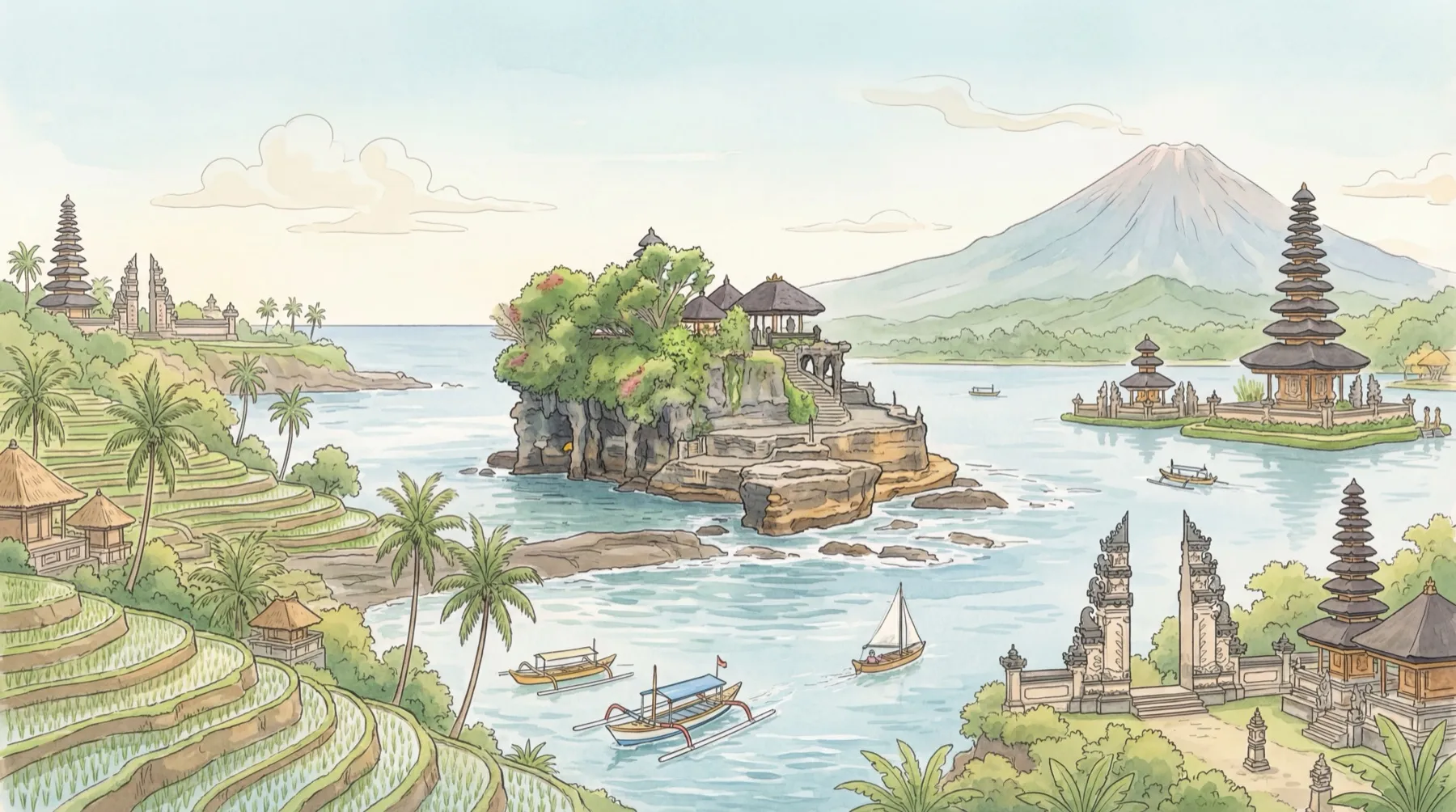
This floating temple is genuinely as stunning as the photos suggest - lake backdrop with Mount Bratan rising behind it. But timing is absolutely critical to avoid the circus.
Gates open at 7am, tour buses arrive around 9am. Those two hours make the difference between peaceful photos and fighting through crowds. The mountain mist usually clears by 8am anyway, giving you the best light for pictures.
Entry is 75k IDR for foreigners (increasing to 100k from July 2026). The drive from Denpasar is beautiful but very winding - about 90 minutes through mountain roads. Temperatures are noticeably cooler than the coast so bring a light jacket.
 renobird
About Bali
Indonesia's Hindu island province, renowned for rice terraces and spiritual culture. Ubud's temples and Seminyak's beaches offer both cultural immersion and tropical relaxation.
Destination Stats
Know something locals know? Share your insider tip.
+ Share a Tip