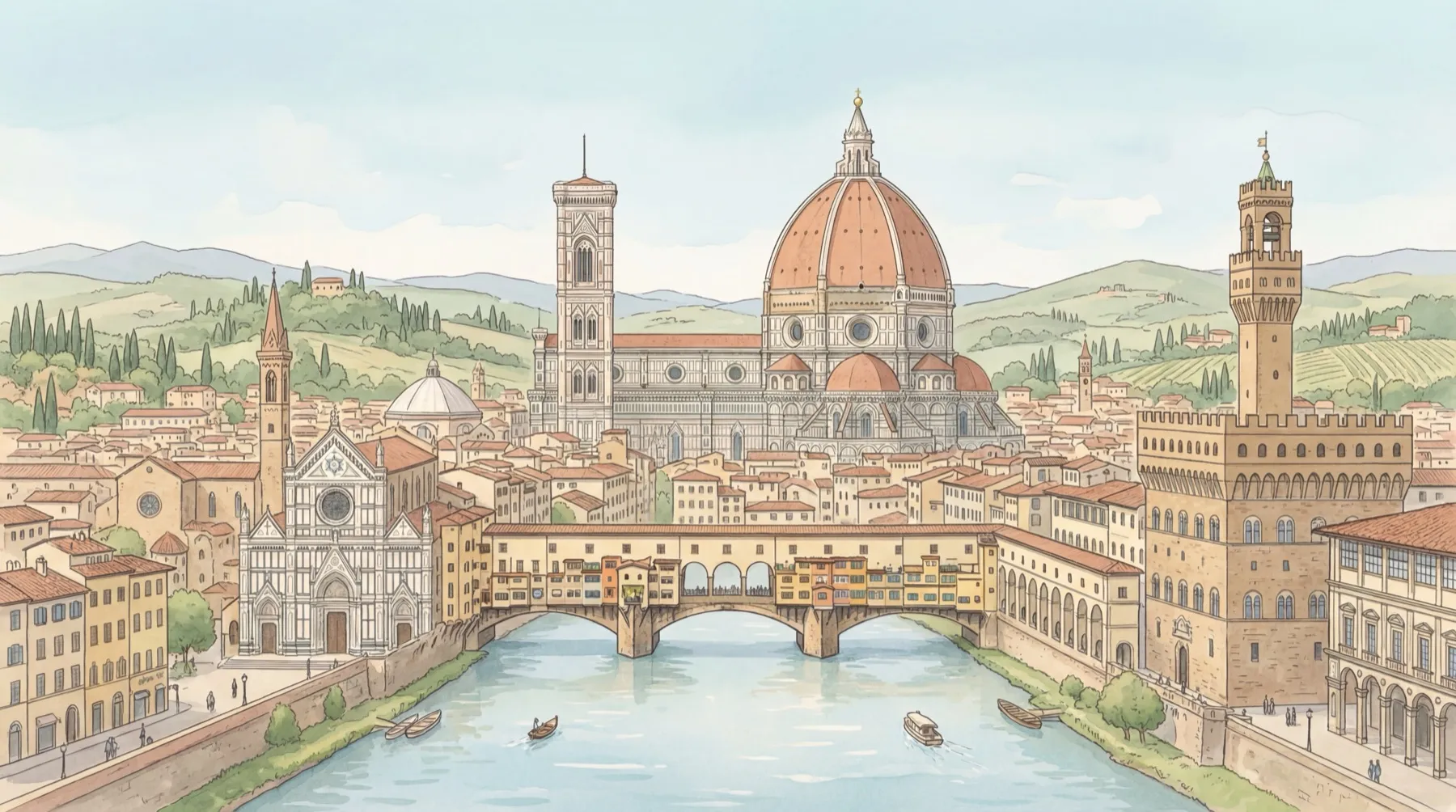
Florence
🇮🇹 Italy
Food Tips for Florence
Restaurants, street food, cafes, and local dishes to try
This legendary sandwich joint lives up to every piece of hype, but most tourists blow it by standing in the main Via de' Georgofili line like sheep. Here's the insider move: walk 50 meters to their Via dei Neri location around the corner — Same incredible sandwiches, half the wait, same chaotic energy.
Order La Favolosa or La Super Favolosa, period. Everything else is just distraction. €9-11 gets you a sandwich that literally feeds two grown adults — They pile on so much filling you'll need engineering skills to prevent structural collapse. We're talking layers of prosciutto, pecorino, truffle cream, and vegetables stacked higher than your fist.
Fair warning: Instagram photos can't capture the beautiful mess you're about to become. Bring napkins, surrender any dignity about neat eating, and embrace the delicious chaos. The bread's crusty exterior gives way to soft interior that somehow holds this architectural marvel together. Worth every messy, magnificent bite.
Tourist restaurants circling the Duomo cathedral serve microwaved garbage at triple authentic prices. Real Tuscan cuisine lives in neighborhood trattorias where locals actually eat — Simple ingredients executed with proper technique, zero English menus plastered outside like bait.
Essential Florentine dishes: Bistecca alla fiorentina (proper dry-aged T-bone, €40-60 serves two), ribollita (bread-thickened vegetable soup, peak season October-March), lampredotto from street carts (€3-4 tripe sandwich, don't knock it). Hunt down budini di riso — Traditional rice pudding tarts locals grab from neighborhood bakeries, not touristy dessert menus.
Where locals eat: Trattoria Mario near Mercato Centrale market uses identical recipes since the 1950s. Lunch only, no reservations, arrive by 12:30 or watch them sell out. For dirt-cheap authentic meals, trek to Trattoria Sabatino past Porta San Frediano gate — Massive traditional portions under €15, zero tourist English heard at tables.
Quality checkpoint: Any bistecca fiorentina under €35 isn't the proper Chianina beef cut. Trust neighborhood joints where you overhear Italian conversations, not establishments displaying photo menus like fast food chains. Proper technique takes time and costs accordingly.
 chefpaco
These tiny arched windows built into old palazzo walls originally sold wine during plague times when social distancing meant survival, and now they're serving again throughout Florence. Basically getting quality wine from a medieval vending machine, which honestly sounds like my ideal bar setup - no crowds, no reservations, just wine through a hole in ancient stone.
Several restaurants in the Santo Spirito neighborhood (the bohemian area across the Arno) have restored their original wine windows, serving decent bottles at aperitivo prices during the golden hours around 6-8pm. The ritual includes hanging your empty glass on the designated wall rack when finished - oddly satisfying and surprisingly meditative after a long day of sightseeing.
You'll spot active buchette throughout Oltrarno and Centro Storico, marked by small wooden shutters and usually a discrete wine list posted nearby. Most open around aperitivo time, and the quality consistently surprises me considering you're buying through a literal hole in the wall. The wine selections lean toward local Tuscan producers, and prices run €4-8 per glass - significantly less than crowded tourist bars.
This beats packed aperitivo spots hands down for atmosphere and authenticity. There's something magical about sipping Chianti from a window that's been serving wine for centuries, watching locals do their evening passeggiata along narrow medieval streets. Pure Florence vibes without the tourist theater.
Hotel breakfast in Florence is tourist garbage - stale pastries, terrible coffee, €15 for what Florentines get for €3 at their neighborhood bar. Real locals eat standing at the counter: espresso and cornetto, five minutes, done. No lingering, no Instagram photos, just proper fuel before work.
Bar Centrale near Mercato di Sant'Ambrogio (Piazza Ghiberti area) opens 6am, perfect golden cornetti still warm from the oven, locals in work clothes grabbing quick breakfast before the market opens. Bar Ricchi on Piazza Santo Spirito serves proper cappuccino with foam that holds its structure, not burnt milk slop from tourist traps near the Duomo. Ditta Artigianale on Via dello Sprone roasts their own beans - you can smell quality two blocks from Ponte Vecchio.
Standing is Florentine tradition and economics. Sit down and they legally charge double for identical coffee - I've seen tourists pay €4 for a €1.50 espresso just because they insisted on a table. Order in Italian if you can: "Un caffè e un cornetto, per favore." Pay first at register, then present receipt to barista behind the counter.
Skip anything sweet except cornetti plain or with jam. Those chocolate-filled tourist pastries are for children and Americans. Real Florentine breakfast is bitter espresso cutting through buttery pastry, conversation kept short with the barista, then onto your day like you mean business in this Renaissance city.
This is real florentine street food every tourist walks past without knowing what theyre missing lampredotto is beef tripe sandwich served from green carts around city center
Vendors simmer cow stomach in herb broth then slice thin for sandwiches sounds weird tastes incredible savory tender nothing scary about it reasonably priced and more filling than any tourist panini
Look for green carts with locals queuing around the historic center ask for bagnato dipped in cooking broth with salsa verde trust me the herb broth has serious flavor depth not spicy despite the name just intensely savory
 spicyway
Florence has incredible plant-based options if you know where to look beyond the fake-meat tourist restaurants near the Duomo. Several vendors at Mercato Centrale (first floor food court) offer creative vegetable-focused dishes that understand Tuscan flavors without just removing pancetta from everything.
For dinner, Universo Vegano near Santa Croce does creative plant-based versions of Italian classics that feel properly Florentine, not health food. Konnubio in Santo Spirito creates vegetable-focused plates using local Tuscan ingredients. Many smaller trattorias in Oltrarno have embraced plant-based cooking using traditional recipes in recent years.
Many classic Florentine dishes are naturally plant-based - ribollita (bread and bean soup), pappa al pomodoro (tomato bread soup), fagioli all'uccelletto (white beans in tomato sauce). Just ask restaurants like Trattoria Mario or Il Giova to prepare them without pancetta or lardo - most are happy to accommodate since these are peasant dishes originally made without expensive meat.
Tuscan cuisine offers surprising plant-based options if you know what to order at traditional Florentine trattorias. Pappa al pomodoro (tomato bread soup) and ribollita (bean bread soup) come naturally vegan at most places like Trattoria Mario near San Lorenzo market. Many pasta dishes like aglio e olio or arrabbiata arrive vegan by default at neighborhood spots in Santo Spirito — Just specify 'senza formaggio' (no cheese).
Dedicated spots: Universo Vegano near Santa Croce creates plant-based versions of Florentine classics with skill, Il Vegetariano in San Frediano neighborhood serves creative Tuscan-inspired dishes. Sant'Ambrogio market (Piazza Ghiberti) provides incredible fresh produce, olives, bread for self-catering in Oltrarno apartments.
Gelaterias like Vivoli near Santa Croce or Sbrino usually stock sorbetto flavors that are naturally dairy-free — Double-check they're not using milk-based versions. Learn 'senza latte, senza uova' (no milk, no eggs) and most servers in traditional Florentine establishments accommodate dietary needs willingly once they understand your requirements.
This daily market in Piazza Ghiberti is where real Florentines buy groceries. Much smaller and calmer than tourist-heavy Mercato Centrale, with honest prices and vendors who have time for conversation. Covered section features excellent cheese, salumi, prepared foods, while outdoor stalls sell seasonal produce from local farms.
Optimal timing: 9-10am when everything is fresh but crowds haven't formed. Try porchetta sandwiches from the truck outside, or gather picnic supplies for nearby Parco Sant'Ambrogio. The surrounding neighborhood maintains authentic residential character missing from tourist zones.
Accessible via bus 23 from Duomo area, or pleasant 20-minute walk from Santa Croce. Operating Monday-Saturday, closed Sunday obviously.
 marketsunday
Tucked in Piazza della Libertà, this neighborhood caffè serves piruli custard shortbread tarts that represent perfection in pastry form. €2-4 each, completely different from tourist sweets around the Duomo. The custard achieves that proper vanilla depth only possible when made fresh daily in small batches.
The covered terrace provides peaceful respite from sightseeing crowds. They also prepare excellent budini di riso if you want Florence's signature rice pudding tart. Open mornings daily, accessible via buses 4, 20, or 25 from central station. Far superior to chain coffee experiences, naturally.
This is where neighborhood regulars take their morning coffee ritual — The owner remembers your preferred order after a few visits. That level of personal attention speaks volumes about the establishment's character.
 teahunter
About Florence
Capital of Italy's Tuscany region and birthplace of the Renaissance. The Duomo and Uffizi Gallery house world-renowned art and architectural masterpieces.
Destination Stats
Top Contributors
View all contributors →Know something locals know? Share your insider tip.
+ Share a Tip