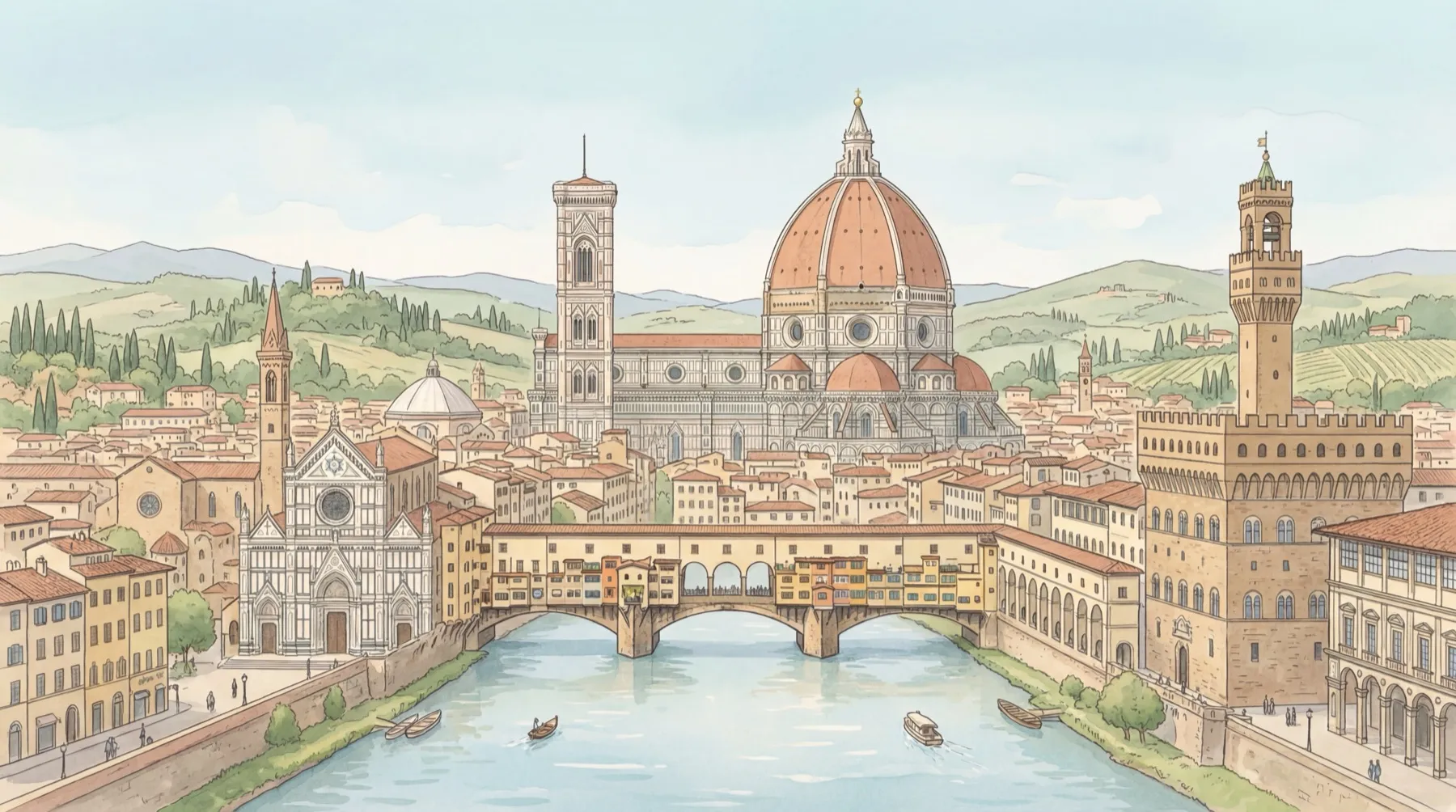
Florence
🇮🇹 Italy
Travel tips for Florence
36 tips from 23 contributors
The Uffizi queues are pure tourist hell disguised as cultural enlightenment. Sure, advance tickets eliminate the ticket-buying line, but you'll still wait 45 minutes because their timed entry system is bureaucratic theater — They throttle entry to maybe 12 people every 15 minutes while hundreds mill around like confused cattle with their 'guaranteed' slots.
Book the 8:15am slot if you insist on going, but by 10am every cruise ship passenger in the Mediterranean has descended like locusts. Half the experience is shuffling past masterpieces at the speed of a funeral procession while someone's selfie stick pokes your eye out.
Better plan: Skip the circus entirely. Bargello Museum has Donatello's David and Michelangelo sculptures without the theme park atmosphere. Palazzo Pitti houses actual Raphaels and Titians — You can walk right in most days and actually see the brushwork. Your sanity is worth more than checking Uffizi off some bucket list.
After three visits watching countless tourists lose entire afternoons in museum queues, I've learned the Uffizi Gallery and Accademia Museum require advance booking during peak season (March-October). Those 3-hour lines aren't an exaggeration — I've seen families with crying children give up and leave Florence having never seen Michelangelo's David.
Smart booking strategy: Reserve 3-7 days ahead through official Uffizi site (€25 including booking fee) and Accademia (€16). The 8:15-9:30am time slots offer smaller crowds and gorgeous natural light streaming through gallery windows — Perfect for appreciating Botticelli's delicate brushwork without someone's elbow jabbing your ribs. Yes, the €4 booking fee stings, but watching frustrated tourists still queuing at sunset makes every euro worthwhile.
Hidden alternatives for tight budgets: The Duomo's exterior remains free and magnificent any time of day. Bardini Gardens (€10-15, includes Boboli access) provides the city's most spectacular panoramic views with a fraction of crowds at popular Piazzale Michelangelo. The terraced gardens offer peaceful benches perfect for contemplating Florence's red-tiled rooftops and the Arno winding below.
Senior traveler tip: Always bring your passport if you're over 65 — Many museums offer significant discounts (Uffizi drops to €12) that aren't advertised online. Staff are usually happy to apply these savings when asked politely at entry. These little courtesies make traveling in your golden years even more rewarding.
 renobird
That little electric C1 bus is Florence's premium public transport secret — Basically a €1.50 sightseeing tour with working air conditioning that's actually more comfortable than regular city buses. The route hits every major sight: Duomo, Uffizi Gallery, Ponte Vecchio bridge, and Palazzo Pitti palace, running every 9-16 minutes so you never wait long.
Start at Santa Maria Novella station (the main train hub) and ride the complete loop first to scout locations. Then hop off wherever catches your eye — The beauty is flexibility without the €25 tourist trap markup those red double-decker buses charge. Each ride costs just €1.50 and tickets work for 90 minutes, perfect for multiple stops between major sights.
Pro move: grab a window seat on the right side departing Santa Maria Novella for best views approaching the historic center. The electric engine runs whisper-quiet, so you can actually hear your travel companion instead of diesel rumbling. Beats dragging luggage or tired feet across cobblestones in July heat, and offers better comfort than standard Florence bus routes.
This legendary sandwich joint lives up to every piece of hype, but most tourists blow it by standing in the main Via de' Georgofili line like sheep. Here's the insider move: walk 50 meters to their Via dei Neri location around the corner — Same incredible sandwiches, half the wait, same chaotic energy.
Order La Favolosa or La Super Favolosa, period. Everything else is just distraction. €9-11 gets you a sandwich that literally feeds two grown adults — They pile on so much filling you'll need engineering skills to prevent structural collapse. We're talking layers of prosciutto, pecorino, truffle cream, and vegetables stacked higher than your fist.
Fair warning: Instagram photos can't capture the beautiful mess you're about to become. Bring napkins, surrender any dignity about neat eating, and embrace the delicious chaos. The bread's crusty exterior gives way to soft interior that somehow holds this architectural marvel together. Worth every messy, magnificent bite.
Tourist restaurants circling the Duomo cathedral serve microwaved garbage at triple authentic prices. Real Tuscan cuisine lives in neighborhood trattorias where locals actually eat — Simple ingredients executed with proper technique, zero English menus plastered outside like bait.
Essential Florentine dishes: Bistecca alla fiorentina (proper dry-aged T-bone, €40-60 serves two), ribollita (bread-thickened vegetable soup, peak season October-March), lampredotto from street carts (€3-4 tripe sandwich, don't knock it). Hunt down budini di riso — Traditional rice pudding tarts locals grab from neighborhood bakeries, not touristy dessert menus.
Where locals eat: Trattoria Mario near Mercato Centrale market uses identical recipes since the 1950s. Lunch only, no reservations, arrive by 12:30 or watch them sell out. For dirt-cheap authentic meals, trek to Trattoria Sabatino past Porta San Frediano gate — Massive traditional portions under €15, zero tourist English heard at tables.
Quality checkpoint: Any bistecca fiorentina under €35 isn't the proper Chianina beef cut. Trust neighborhood joints where you overhear Italian conversations, not establishments displaying photo menus like fast food chains. Proper technique takes time and costs accordingly.
 chefpaco
When the endless streams of tourists around Ponte Vecchio and Piazza del Duomo feel suffocating (and trust me, they absolutely will), these hidden sanctuaries have saved my sanity more times than I can count.
The cloisters at Santa Maria Novella (€7.50 entry through the museum entrance on Piazza Santa Maria Novella) are like stepping into another century. These covered walkways surrounding a peaceful garden courtyard are usually completely empty, with gorgeous 14th-century frescoes by Paolo Uccello and stone benches perfect for deep breathing exercises. Even when the main piazza outside is chaos with tour groups heading to the train station, this feels like a monastery retreat.
Biblioteca Nazionale Centrale's main reading room (Piazza dei Cavalleggeri 1, near Campo di Marte, free entry with ID) is my secret weapon for complete silence. The librarians don't mind visitors sitting quietly for hours among locals studying, and there's something deeply calming about being surrounded by 6 million volumes. The ornate ceiling frescoes make it feel like studying in the Medici palace.
Piazza Santo Spirito in Oltrarno before 9am is pure magic - just local shopkeepers opening up and maybe one elderly woman feeding pigeons near Brunelleschi's unfinished church facade. By 10am the restaurants start setting up tables and the energy shifts completely, but those early morning moments feel like having your own private square south of the Arno.
 kiki_adventures
Tucked away at Via delle Oche 4r, just a three-minute walk from the Duomo's tourist chaos, this English bookshop feels like browsing through a well-read friend's private library. The worn wooden shelves hold treasures you simply won't find in airport bookstores or hotel gift shops - particularly their exceptional collection of literature about Florence and Tuscany by authors who actually lived and breathed this city.
The owner possesses that rare combination of literary passion and local knowledge that makes every conversation illuminating. She can guide you to books by writers who walked these very streets - from the Brownings in Casa Guidi to more contemporary voices - and actually point you toward the real locations where famous literary scenes unfolded. I've discovered authors I never knew existed through her recommendations.
Their used book selection changes constantly, making each visit a small adventure. Perfect for finding something thoughtful to read while sitting in Boboli Gardens or planning those contemplative literary walks through Oltrarno. The shop maintains civilized hours: Monday-Saturday 9am-7:30pm, Sunday 10:30am-1:30pm. They prefer cash, and somehow that old-fashioned approach feels entirely appropriate.
What strikes me most is how this place connects literature to place in ways that enrich every subsequent walk through Florence. You'll never see the Arno bridges or medieval streets quite the same way after discovering which authors found inspiration in these exact views.
Most tourists think Florence dies after dinner, but the real party starts around 11pm when locals finally venture out. The secret is knowing which neighborhoods transform after dark.
Oltrarno district becomes the epicenter - Piazza Santo Spirito fills with university students drinking beer on church steps, creating an impromptu outdoor party atmosphere. The narrow medieval alleys branching off Via de' Bardi hide intimate cocktail bars that don't even bother opening until 10pm.
Volume Bar (Via Borgo Stella 7r) stays open past 2am serving surprisingly decent craft cocktails - their negroni variations actually rival proper establishments. Red Garter (Via de' Benci 33r) is touristy as hell but perfect for meeting fellow travelers when you're craving English conversation. Dolce Vita (Piazza del Carmine) does live jazz sessions Thursday nights that run until 1am.
Pro timing tip: Most museums close Mondays but nightlife venues operate Tuesday through Sunday. Even dedicated night owls need recovery days, and Monday gives you perfect excuse to explore late-night Florence when everything's actually open the next day.
 nightowl_k
March hits that magical sweet spot where you get pleasant 13-15°C days without the absolute chaos of Easter crowds flooding the Duomo and Ponte Vecchio. Early spring means manageable Uffizi queues (often walk-in possible) and restaurant reservations you can actually get near Santa Croce, while avoiding summer's brutal 35-40°C heat that turns those beautiful medieval cobblestones into literal ovens. I spent three Marches here and never once felt overwhelmed by tour groups.
Summer is genuinely miserable if you're an introvert like me. Those narrow medieval alleys between Via del Corso and Borgo San Lorenzo offer zero escape from both heat and tour groups, every major attraction has soul-crushing hour-long lines, and the constant noise from Via dei Calzaiuoli becomes overwhelming. August is slightly quieter since Florentines vacation elsewhere (many local restaurants close), but hotels barely discount and the heat remains unbearable.
Winter offers real advantages for us crowd-avoiders: drastically lower accommodation costs near Santa Maria Novella station (often 50% less), walk-in tickets at the Uffizi and Accademia, and restaurant staff in Oltrarno who actually have time for genuine conversations. Temperatures rarely drop below freezing, and Florence maintains its energy unlike northern European cities that hibernate completely.
Pro tip from someone who values peace: avoid December 8-January 6 entirely. Christmas markets around Piazza della Repubblica bring triple prices and holiday crowds that make summer look quiet. February is my secret weapon month - empty Palazzo Pitti, cozy trattorias in San Frediano, and that rare feeling of having this Renaissance masterpiece mostly to yourself.
High-speed rail to Florence: Trenitalia Frecciarossa from Roma Termini (1h 32min, €19-45 advance booking) and Venezia Santa Lucia (1h 58min, €29-55) terminate at Firenze Santa Maria Novella - literally city center. Book through Trenitalia website 120 days ahead for Super Economy fares. Platform announcements typically come 20 minutes before departure.
Car rental logistics: Never pick up downtown - Florence's ZTL (restricted traffic zone) covers entire historic center with €87 automatic fines per violation. Airport locations (Avis, Hertz, Europcar) or Firenze Rifredi station work best. For Chianti wine tours, you need wheels - no practical bus service to small vineyards.
Money-saving drop strategy: Heading to Rome next? Skip Florence return completely. One-way drop fees range €150-400 depending on season, but here's the insider move: Drop at Chiusi station (only Avis/Budget, right at platform entrance) or Orvieto centro (Hertz, 10min walk to station). High-speed trains Chiusi→Roma Termini run every 2 hours (1h 31min, €15-25), completely avoiding Florence traffic nightmare plus saving massive drop fees.
Public transport Tuscany: SITA bus 131R to Siena departs Autostazione SITA (Via Santa Caterina da Siena 17) hourly, 1h 15min journey, €7.80 one-way. San Gimignano requires transfer at Poggibonsi - total journey 2h 30min but doable without car. Buy tickets at tabacchi shops, not onboard.
 metromarc
First Sunday each month = state museum jackpot. Uffizi Gallery normally €20, Palazzo Pitti normally €16, Bargello Museum normally €9 - all FREE. That's €45 saved per person if you hit all three major spots.
Reality check: advance booking doesn't exist for free days, so arrive Via della Ninna entrance by 7:30am minimum or forget it. Capacity hits around 10am and they stop admissions. This makes regular advance-booked days look civilized by comparison. Bring water bottle (€1 from any tabacchi vs €3 inside), energy bars, phone charger, comfortable shoes. Lines move slower than molasses in January.
Strategy that actually works: Pick your top 3 must-see pieces before entering. Uffizi = Botticelli's Birth of Venus, Caravaggio rooms, maybe Michelangelo's Doni Tondo. Don't attempt comprehensive viewing - impossible with crowds. Download Rick Steves audio tour app beforehand (free) to maximize your limited time inside.
Backup plan essential: Book regular tickets for following day if free entry fails. Official Uffizi website charges €4 booking fee but guarantees entry. Better than showing up twice and wasting entire days in lines.
 cheapcharlie
While hundreds of tourists jostle for selfie space at Piazzale Michelangelo's overcrowded viewpoint, a gentle ten-minute uphill walk leads to Bardini Gardens - equally spectacular panoramas with blessed solitude.
These terraced Renaissance gardens (Via dei Bardi 1R) cascade down the hillside offering multiple viewing angles of Ponte Vecchio, Palazzo Vecchio's tower, and Brunelleschi's magnificent Duomo dome. The famous wisteria tunnel creates an enchanting purple canopy during late April blooms, while ancient olive groves provide shaded contemplation spots throughout the property.
The magic happens during golden hour - arrive around 6pm in summer when the warm light bathes the terracotta rooftops below. You'll often find the main panoramic terrace completely empty, a stark contrast to the circus atmosphere at nearby tourist viewpoints. The sense of discovering a secret garden adds to the peaceful atmosphere.
Practical details: €15 entry (or combined €25 Boboli Gardens ticket). Access via Costa San Giorgio uphill from Ponte Vecchio, or take ATAF bus D from Santa Maria Novella station (Via Guicciardini stop). Open daily 8:15am-6:30pm (April-October), 8:15am-4:30pm (November-March). The elevated perspective and serene environment create perfect conditions for quiet reflection above the bustling city.
These tiny arched windows built into old palazzo walls originally sold wine during plague times when social distancing meant survival, and now they're serving again throughout Florence. Basically getting quality wine from a medieval vending machine, which honestly sounds like my ideal bar setup - no crowds, no reservations, just wine through a hole in ancient stone.
Several restaurants in the Santo Spirito neighborhood (the bohemian area across the Arno) have restored their original wine windows, serving decent bottles at aperitivo prices during the golden hours around 6-8pm. The ritual includes hanging your empty glass on the designated wall rack when finished - oddly satisfying and surprisingly meditative after a long day of sightseeing.
You'll spot active buchette throughout Oltrarno and Centro Storico, marked by small wooden shutters and usually a discrete wine list posted nearby. Most open around aperitivo time, and the quality consistently surprises me considering you're buying through a literal hole in the wall. The wine selections lean toward local Tuscan producers, and prices run €4-8 per glass - significantly less than crowded tourist bars.
This beats packed aperitivo spots hands down for atmosphere and authenticity. There's something magical about sipping Chianti from a window that's been serving wine for centuries, watching locals do their evening passeggiata along narrow medieval streets. Pure Florence vibes without the tourist theater.
Everyone rushes to Pitti but ignores Palazzo Medici Riccardi on Via Cavour. First Renaissance palace ever built - shows the evolution from medieval to Renaissance architecture perfectly. €10 entry for architectural history.
Benozzo Gozzoli's frescoes in Cappella dei Magi are extraordinary. Better preserved than church frescoes because they're climate controlled. The Procession of the Magi shows incredible detail of 15th century Florence.
Usually empty. Never seen more than 8 visitors. Open Tuesday-Sunday 9am-7pm, closed Wednesdays.
 siennna
Bondi near San Lorenzo market serves stuffed focaccia under €5 with actual Florentines eating there not tourists this place saved my broke ass multiple times when living near Via dei Ginori. Il Giova near Sant'Ambrogio market does lunch deals — Asparagus risotto lamb ragu all under €12 dinner is meh but lunch is brilliant especially when market vendors eat there
Ultimate budget spot Trattoria Sabatino outside Porta San Frediano in Oltrarno homestyle tuscan food at insane prices arrive early since no reservations locals from the artisan workshops pack it daily never spent more than €10 there for full meal with house wine included feels like eating at nonna's house
Student tip ask for discounts with student id many places give 10-20% off especially around università area also Sant'Ambrogio market has incredible produce grab bread from any forno make panini for €3 total honestly why pay €8 for tourist sandwiches near Ponte Vecchio when you can eat like a real Florentine
Hotel breakfast in Florence is tourist garbage - stale pastries, terrible coffee, €15 for what Florentines get for €3 at their neighborhood bar. Real locals eat standing at the counter: espresso and cornetto, five minutes, done. No lingering, no Instagram photos, just proper fuel before work.
Bar Centrale near Mercato di Sant'Ambrogio (Piazza Ghiberti area) opens 6am, perfect golden cornetti still warm from the oven, locals in work clothes grabbing quick breakfast before the market opens. Bar Ricchi on Piazza Santo Spirito serves proper cappuccino with foam that holds its structure, not burnt milk slop from tourist traps near the Duomo. Ditta Artigianale on Via dello Sprone roasts their own beans - you can smell quality two blocks from Ponte Vecchio.
Standing is Florentine tradition and economics. Sit down and they legally charge double for identical coffee - I've seen tourists pay €4 for a €1.50 espresso just because they insisted on a table. Order in Italian if you can: "Un caffè e un cornetto, per favore." Pay first at register, then present receipt to barista behind the counter.
Skip anything sweet except cornetti plain or with jam. Those chocolate-filled tourist pastries are for children and Americans. Real Florentine breakfast is bitter espresso cutting through buttery pastry, conversation kept short with the barista, then onto your day like you mean business in this Renaissance city.
All the guidebooks warn against winter Florence like it's some frozen wasteland. Absolute rubbish. January is when this city finally belongs to actual Florentines instead of cruise ship herds trampling everything with their selfie sticks and terrible restaurant choices.
Museums practically empty - I've had entire Uffizi rooms to myself on Tuesday afternoons. Restaurants give proper service instead of rushing you out for the next tourist wave. You can photograph Ponte Vecchio without elbowing through crowds like some demented rugby scrum. Yes, it's cold and occasionally rainy. Pack a proper coat like an adult.
Hotel prices drop by half, restaurant reservations become possible again, and bartenders actually remember your order after two visits. The light in January is spectacular for photography - soft winter sun cutting through mist over the Arno beats harsh summer glare every time.
Uffizi with six other visitors beats summer sardine can conditions. Every. Single. Time. Stop listening to people who need 25°C sunshine to enjoy art and architecture. Florence in January reveals itself properly instead of hiding behind tourist theater.
Oltrarno side is your safest bet for actual running without vespa roulette. Start ponte vecchio head west along arno south bank proper riverside path minimal scooter traffic can run all the way to parco delle cascine florences biggest park dirt trails car-free about 6km total loop
For elevation san miniato climb is brutal but rewarding 2km steep ascent incredible views early morning before 7am ideal to avoid crowds and heat. Avoid historic center cobblestones will destroy your knees plus too many oblivious tourists learned this painful lesson day one
Routes range 3-8km depending how far along river you go elevation varies wildly cascine park is flat san miniato climb about 100m vertical gain
 runroutes
If youre under 25 with eu student id you get free entry to state museums including Uffizi Palazzo Pitti and Accademia year round. Bring student card and passport to ticket office not online booking. Saved me €68 during my week studying near Santa Croce.
Also aperitivo happy hours 6-8pm at university bars around Santo Spirito and San Frediano. €8 for spritz plus unlimited buffet food basically dinner sorted for student budget. Volume and Negroni bars in Oltrarno do this best local students not tourists.
This is real florentine street food every tourist walks past without knowing what theyre missing lampredotto is beef tripe sandwich served from green carts around city center
Vendors simmer cow stomach in herb broth then slice thin for sandwiches sounds weird tastes incredible savory tender nothing scary about it reasonably priced and more filling than any tourist panini
Look for green carts with locals queuing around the historic center ask for bagnato dipped in cooking broth with salsa verde trust me the herb broth has serious flavor depth not spicy despite the name just intensely savory
 spicyway
About Florence
Capital of Italy's Tuscany region and birthplace of the Renaissance. The Duomo and Uffizi Gallery house world-renowned art and architectural masterpieces.
Destination Stats
Top Contributors
View all contributors →Know something locals know? Share your insider tip.
+ Share a Tip