Cairo
🇪🇬 Egypt
Things to see Tips for Cairo
Must-visit landmarks, hidden gems, and sightseeing
The current Egyptian Museum at Tahrir Square (downtown Cairo) remains absolutely essential viewing, housing Tutankhamun's complete burial treasure and the Royal Mummies Collection in a fascinating 1902 neo-classical building. While the infrastructure feels dated, this is where you'll encounter the actual golden mask of the boy king — A moment that genuinely takes your breath away. Plan 3-4 hours minimum and absolutely pay the extra 300 EGP for the mummy rooms, where you'll stand face-to-face with Ramesses II and Hatshepsut in climate-controlled chambers.
The Grand Egyptian Museum near the Giza pyramids represents the future of Egyptian archaeology with state-of-the-art climate control and stunning modern galleries. However, check current exhibitions before visiting — The full collection rollout has been gradual, and some anticipated displays may still be in preparation phases. The building itself is an architectural marvel, with the grand staircase offering pyramid views that create an overlooked photographic opportunity.
For the discerning visitor, I recommend the older museum first for its unparalleled collection density and historical atmosphere, then the Grand Egyptian Museum for its superior artifact presentation and technological innovations. Both museums can overwhelm even seasoned travelers — Consider focusing on specific dynasties or hiring a guide who can navigate the highlights while sharing fascinating context about burial practices and royal succession that most visitors miss entirely.
This Nile island district showcases Cairo's finest Art Deco architecture from the 1930s-40s, featuring tree-lined streets with actual functioning sidewalks — A rarity in Cairo. The architectural details are extraordinary: look for the geometric limestone patterns on the Villa Abd El-Latif Saleh (26th July Street), the original brass elevator fixtures in residential buildings along Hassan Sabry Street, and the curved corner balconies with intricate metalwork that remain perfectly preserved after 90 years.
Road 9 (26th July Street) offers the district's café culture with unobstructed Nile views — Try Café Riche's terrace for sunset drinks overlooking feluccas. The Aquarium Grotto Garden (entry 20 EGP, open 9 AM-5 PM) provides an unexpected escape with underground caves and tropical fish displays, creating a completely different energy from chaotic downtown areas. The Japanese garden section offers Instagram-worthy spots most tourists never discover.
Al-Azhar Park (15-minute taxi ride, entry 25 EGP) provides the essential elevated perspective of how Zamalek's Art Deco grid fits into Cairo's sprawling urban fabric. The sunset view from the park's upper terrace reveals the geometric precision of the island's layout against the organic chaos of surrounding neighborhoods — A fascinating study in urban planning contrasts that architecture enthusiasts will find absolutely compelling.
 siennna
The Coptic Quarter (Old Cairo) preserves Egypt's ancient Christian heritage within Roman fortress walls, featuring remarkable churches dating to the 4th century. The Hanging Church (Saint Virgin Mary's Coptic Orthodox Church) literally suspends above Roman gate ruins, while Saint Sergius and Bacchus Church marks the traditional Holy Family shelter spot. The Coptic Museum (entry 100 EGP, open 9 AM-5 PM) houses the world's largest collection of Coptic artifacts with minimal crowds compared to Islamic Cairo.
The Cave Church (Monastery of Saint Simon the Tanner) represents one of the most remarkable religious architectural achievements globally — Worship halls carved directly into Mokattam Mountain accommodating 20,000 worshippers. The journey through Zabbaleen (Garbage City) reveals Cairo's Coptic waste management community, while the church itself demonstrates extraordinary acoustics and lighting engineering carved from solid rock. Free entry, open daily 9 AM-4 PM.
Dress respectfully at both locations: long pants, covered shoulders, and modest necklines for all visitors. Remove shoes when entering certain church sections. The religious architecture diversity here is profound — Walking from Coptic churches to nearby Islamic monuments and the historic Jewish synagogue (Ben Ezra Synagogue) within one district showcases Cairo's remarkable interfaith heritage spanning 2,000 years.
Transportation tip: Take Cairo Metro Line 1 to Mari Girgis station for Coptic Quarter (5-minute walk). For Cave Church, arrange taxi transport (45 minutes from downtown) or join organized tours that include both sites in one respectful, informative day.
Traditional felucca sailboat rides at sunset transform Cairo completely, but smart travelers launch from Dokki's quieter embankment areas rather than touristy Corniche locations. Negotiate prices firmly beforehand — Expect 200-400 EGP for 1-2 hours depending on boat size and season. The Dokki Shooting Club area offers excellent access points with fair pricing and less aggressive touts than central locations.
Evening light on the Nile creates magical photography opportunities as the city's minarets and modern towers reflect in calm water. Many experienced captains offer complimentary tea service using traditional equipment, adding authentic atmosphere. Request specific routes: upstream toward the Sofitel provides dramatic downtown skyline views, while downstream offers quieter residential areas and better sunset angles.
The water perspective reveals architectural details invisible from street level — Islamic Cairo's skyline, Zamalek's Art Deco buildings, and modern towers create layered urban views that ferry enthusiasts will appreciate far more than any bridge crossing. Book through local contacts near Kit Kat Club in Agouza for authentic operators who know optimal wind conditions and scenic routes.
Forget the tourist-trap main Khan el-Khalili bazaar and dive into Souk al-Attarin, tucked behind the flashy jewelry stalls where actual Cairenes buy their daily spices. Open 6 AM to 8 PM except Fridays, this narrow alleyway buzzes with grandmothers haggling over cardamom and shop owners grinding fresh baharat blends.
What to buy: Hibiscus tea (karkade) for 15-25 EGP per 100g, sumac for 20 EGP, and the most fragrant cinnamon bark you'll ever smell. Ask for "tawabel baladi" (local spices) and they'll know you're serious. Watch them grind everything fresh - no dusty pre-packaged tourist nonsense here.
Secret bonus: Follow the copper-banging sounds to adjacent Souk al-Nahhasin where third-generation craftsmen still hammer traditional water jugs and coffee pots using medieval techniques. It's like a living museum except nobody's performing for tourists - just Egyptians doing what their families have done for centuries.
Pro tip: Bring small bills and your own cloth bags (plastic costs extra). Thursday mornings are quietest if you want to chat with vendors without the crowds.
 marketsunday
While tour groups cram into Muhammad Ali Mosque, Ibn Tulun stands majestically empty in Sayyida Zeinab district - arguably Egypt's most perfectly preserved medieval mosque. Built in 876-879 CE, this architectural marvel showcases pure Abbasid design with massive stone arches and the only spiral minaret in Egypt you can actually climb.
Visiting details: Open daily 9 AM-5 PM, free entry with suggested 60 EGP donation for preservation. Take Metro Line 1 to Sayyida Zeinab station, then 10-minute walk through authentic neighborhood streets. Dress code strictly enforced - long pants, covered shoulders, women must bring head covering (guards provide emergency scarves if needed).
The experience: The vast courtyard feels frozen in time - 1,200 years of history under your feet. Climb the unique spiral minaret for panoramic views over Islamic Cairo's ancient rooftops. Late afternoon (3-5 PM) offers magical golden light streaming through the arcade arches - perfect for contemplative photography.
Hidden gem: Adjacent Gayer-Anderson Museum (separate 100 EGP entry) showcases how wealthy Cairenes lived, but the mosque alone justifies the journey. This neighborhood remains refreshingly untouristy - expect curious local children and genuine warmth from residents proud to show their heritage.
Everyone rushes uphill to the Citadel's Muhammad Ali Mosque, completely missing Al-Rifai's magnificent facade below. This late 19th-century architectural masterpiece was deliberately designed to match medieval Mamluk style so perfectly that most visitors assume it's genuinely medieval. It houses Egypt's royal family tombs, including the last King Farouk.
Architectural highlights: The interior dazzles with massive marble columns, intricate geometric patterns, and polychromatic marble work that rivals any European cathedral. The royal burial chamber features ornate sarcophagi in a setting that feels appropriately majestic for Egypt's final monarchs.
Practical information: Open daily 9 AM-4 PM, free entry with conservative dress required. Women need head covering (security provides scarves if necessary). Located at Citadel entrance - combine with fortress visit for historical continuity. Guards often offer informal tours of royal tombs if you show genuine interest and speak some Arabic courtesy phrases.
Photography tip: Visit late afternoon when western light illuminates both Al-Rifai and the Citadel above, creating stunning architectural contrast shots. From the Citadel's plaza, you can capture both structures together - medieval fortress crowning modern royal mosque in one frame. This perspective reveals Cairo's layered Islamic architectural heritage beautifully.
This landscaped park sits on elevated ground overlooking Islamic Cairo with some of the best panoramic views in the city. 30 hectares of gardens, fountains, walkways with stunning views of Citadel and mosque minarets. Entry 20 EGP.
Connects to historic Al-Azhar Mosque, important center of Islamic learning. Free entry outside prayer times, guides available. Best time is late afternoon for perfect light and fewer crowds.
When the crowds and noise become too much, escape to manial palace museum on roda island. 19th century ottoman palace with peaceful gardens that most tourists skip.
The rooms have incredible turkish tiles and persian carpets, but honestly i come for the gardens. Palm trees, quiet paths, actual benches where you can sit and breathe. Check current entry fees and it's rarely crowded.
Perfect introvert recharge spot between major sites. Easy uber ride from downtown or take metro to central stations then taxi/uber across to the island.
 kiki_adventures
Al-Azhar Park (20 EGP entry) has tranquil garden corners away from the main restaurant terraces. Head to the northeastern section near the Ayyubid Wall - shaded benches with views of Saladin Citadel, usually empty even on weekends. The café overlooking Islamic Cairo serves excellent mint tea in peace.
Manial Palace Museum gardens (100 EGP entry) on Roda Island feature pristine lawns and ornate pavilions with almost no crowds. The palace's rear gardens near the Nile have marble benches under towering trees - perfect for escaping central Cairo's intensity.
Islamic Art Museum (60 EGP) in Bab El Khalq provides beautifully air-conditioned relief with exquisite woodwork and calligraphy. Tuesday mornings are quietest. The Coptic Museum (60 EGP) in Old Cairo stays remarkably peaceful year-round.
Diwan Bookstore in Zamalek has a calm upstairs reading area with English books and decent coffee. Golden hour for quiet sightseeing is 7-9 AM before tour buses arrive at Giza and heat builds.
Multiple days a week the streets around Sayeda Zeinab Mosque turn into this sprawling antique market. Local collectors come here, not tourists. Brass items, old photographs, vintage jewelry, random curiosities everywhere.
Found a 1940s silver bracelet for 200 EGP that would cost ten times that back home. Prices start reasonable but haggling expected. Vendors speak minimal English so pointing works better than negotiations.
Runs during morning hours several days a week. Chaotic, dusty, completely authentic. Bring cash, good eye for quality, and patience to dig through piles. Real treasure hunting experience.
Every hotel will push this 'spectacular' show where they project lights on the pyramids while some narrator drones about ancient history. Save your money.
Overpriced for foreigners to sit on concrete bleachers listening to 1980s documentary music. Half the projectors dont work anyway.
Want pyramids lit up? Go to rooftop restaurants in giza village instead. Same view, actual food, no trapped audience experience listening to mystical wisdom nonsense.
This 14th-century mosque in the Darb Ahmar area features gorgeous blue and green Ottoman tiles that give it the Blue Mosque nickname. Much quieter than famous mosques but equally beautiful architecture.
Entry is free though tips appreciated for maintenance. The tilework quality rivals Istanbul's mosques and you'll often have peaceful viewing. Worth the trip if you're exploring Islamic Cairo beyond the main sites.
Afternoon light on the tiles creates magical photography opportunities without fighting tourist crowds.
About Cairo
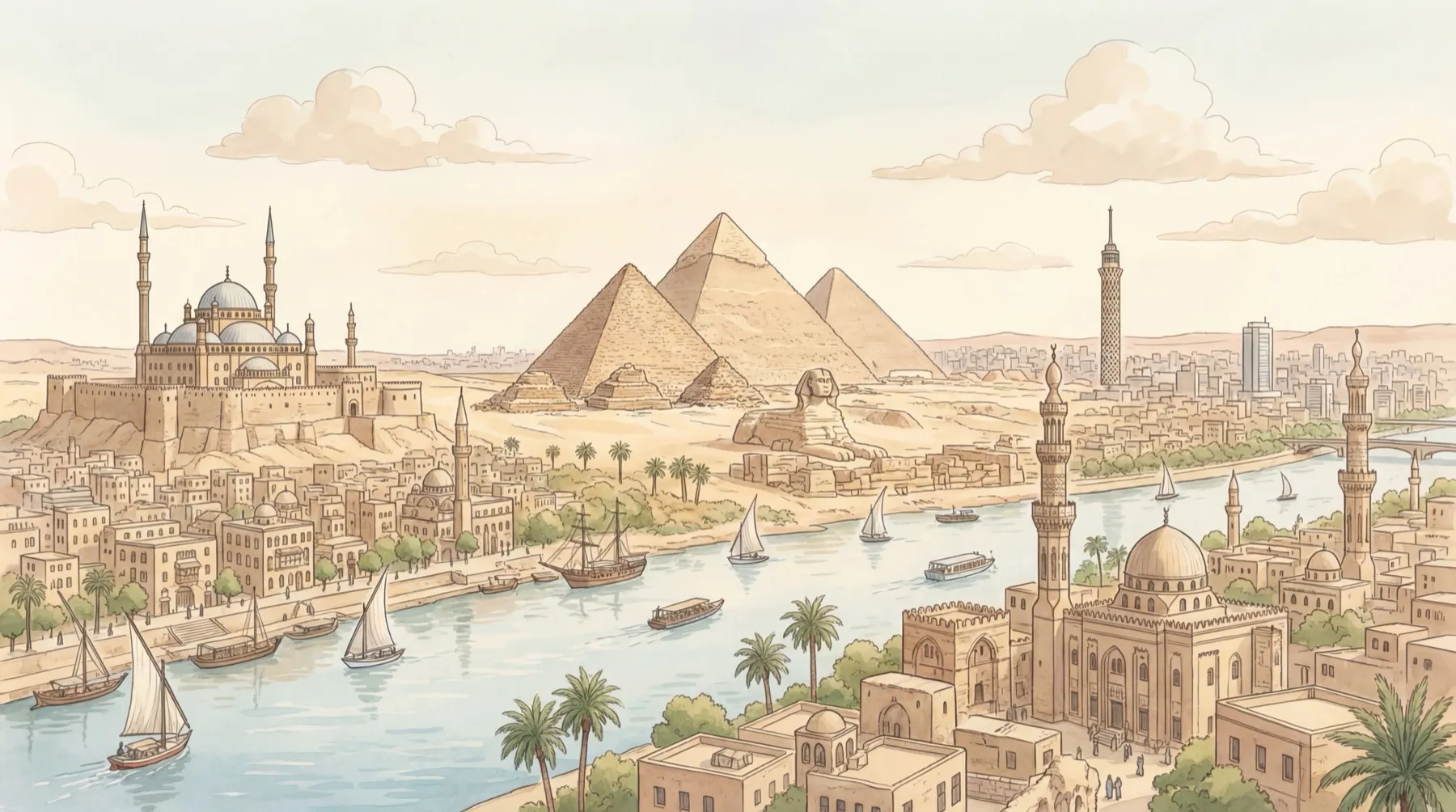
Egypt's sprawling capital, home to ancient pyramids and Islamic monuments. The Giza pyramid complex and Khan el-Khalili bazaar span 4,000 years of history.
Destination Stats
Top Contributors
View all contributors →Know something locals know? Share your insider tip.
+ Share a Tip