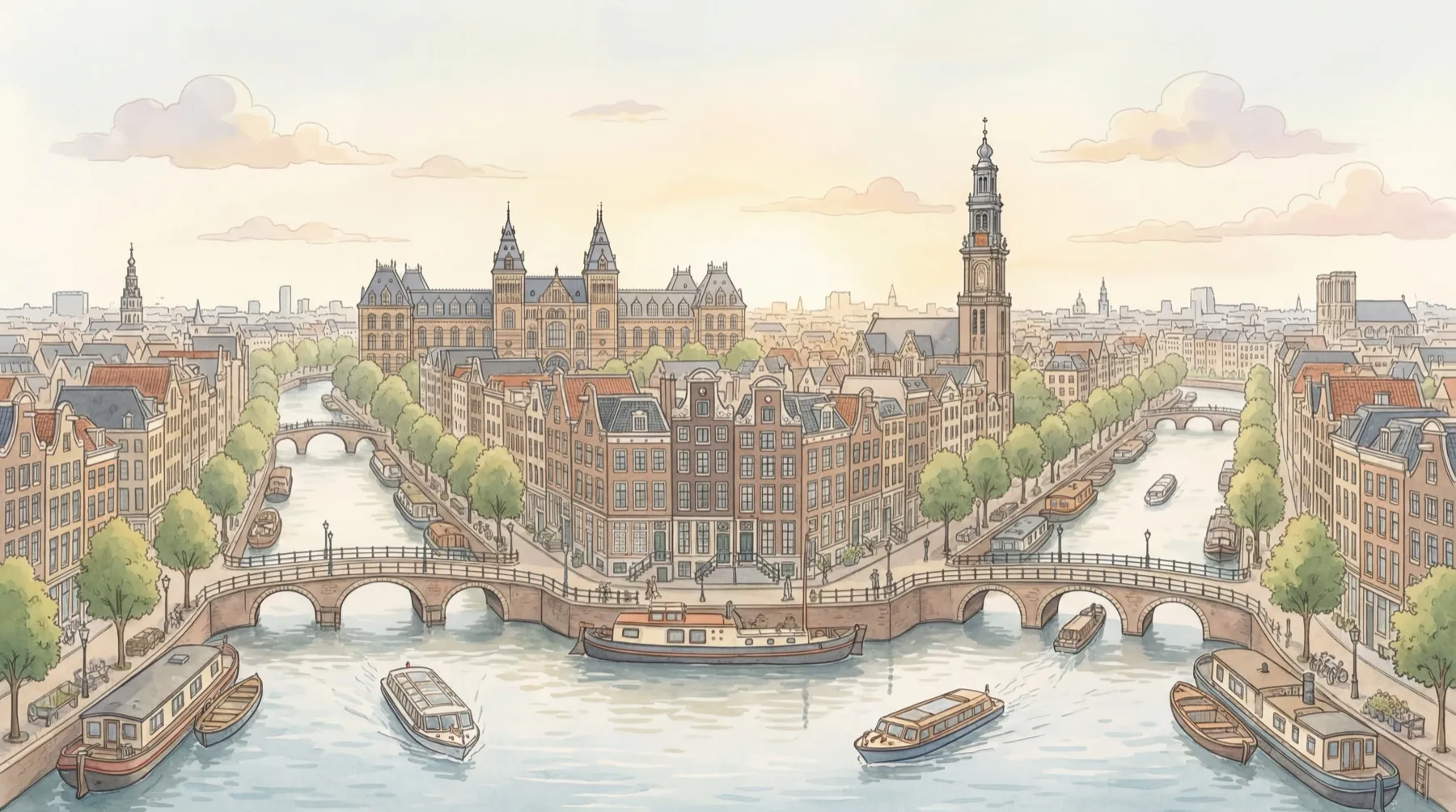
Amsterdam
🇳🇱 Netherlands
When to go Tips for Amsterdam
Best seasons, weather, and timing your visit
Spring diving season in Dutch waters coincides perfectly with tulip blooms, and mid-April to early May delivers spectacular visibility both underwater and on land. Keukenhof Gardens in Lisse creates the ultimate surface interval between North Sea dives — 7 million tulips, daffodils, and hyacinths bloom across 32 hectares of meticulously planned displays that rival any coral reef for color intensity.
Getting there requires the same precision as planning dive logistics: take NS train from Amsterdam Centraal to Haarlem (20 minutes, €4.20), then connect to Keukenhof Express bus 858 (15 minutes, €5). Total journey time 45 minutes. Book tickets online at keukenhof.nl for €19.50 adults — They sell out on peak weekends faster than popular wreck dive spots.
The garden operates strict seasonal windows (mid-March to mid-May) because tulip blooms follow natural cycles like marine life migrations. Peak bloom timing varies by species and weather conditions, but generally hits mid-April when soil temperatures reach optimal levels. Early morning visits (gates open 8am) offer the best photography conditions and fewer crowds — Similar strategy to dawn dives for maximum visibility.
Amsterdam's spring weather averaging 12-18°C provides perfect conditions for walking canal districts and park areas. Combine Keukenhof with visits to nearby bulb fields between Lisse and Noordwijk — Rent bikes at Haarlem station and follow designated cycling routes through commercial flower farms. The contrast between organized garden displays and working agricultural landscapes creates the same sense of discovery you get exploring different reef zones on a single dive.
Everyone thinks Amsterdam winter is a grey, depressing mistake, but they're dead wrong. I spent three months here during the coldest winter in a decade, and it was pure magic. December through February is when the city sheds its tourist costume and shows its real personality — Intimate, cozy, and occasionally frozen solid.
When temperatures hit -5°C for several consecutive days, the smaller canals actually freeze thick enough for ice skating. Locals break out their vintage wooden skates, and impromptu skating routes appear on Prinsengracht and Keizersgracht. The city becomes a living Bruegel painting. Even without a freeze, winter brings the Amsterdam Light Festival (late November-January), transforming 90-minute canal-side walking routes into outdoor art galleries.
Hotel prices drop 40-50% compared to summer madness, and you'll actually get tables at top restaurants without booking weeks ahead. The brown cafés (traditional pubs) come alive with their intended purpose — Locals nursing jenever and beer while rain pounds the windows. Places like Café Hoppe and De Reiger fill with regulars, not selfie-stick wielding tourists.
Pack proper waterproof gear and expect 4-6 hours of weak daylight, but embrace the hygge. Winter reveals Amsterdam's soul in ways summer's chaos never could. Plus, you'll have the Rijksmuseum practically to yourself on weekday mornings.
About Amsterdam
Netherlands' capital, famous for its 17th-century canal ring and liberal culture. The Anne Frank House and Rijksmuseum anchor a city built on tolerance and artistic heritage.
Destination Stats
Know something locals know? Share your insider tip.
+ Share a Tip