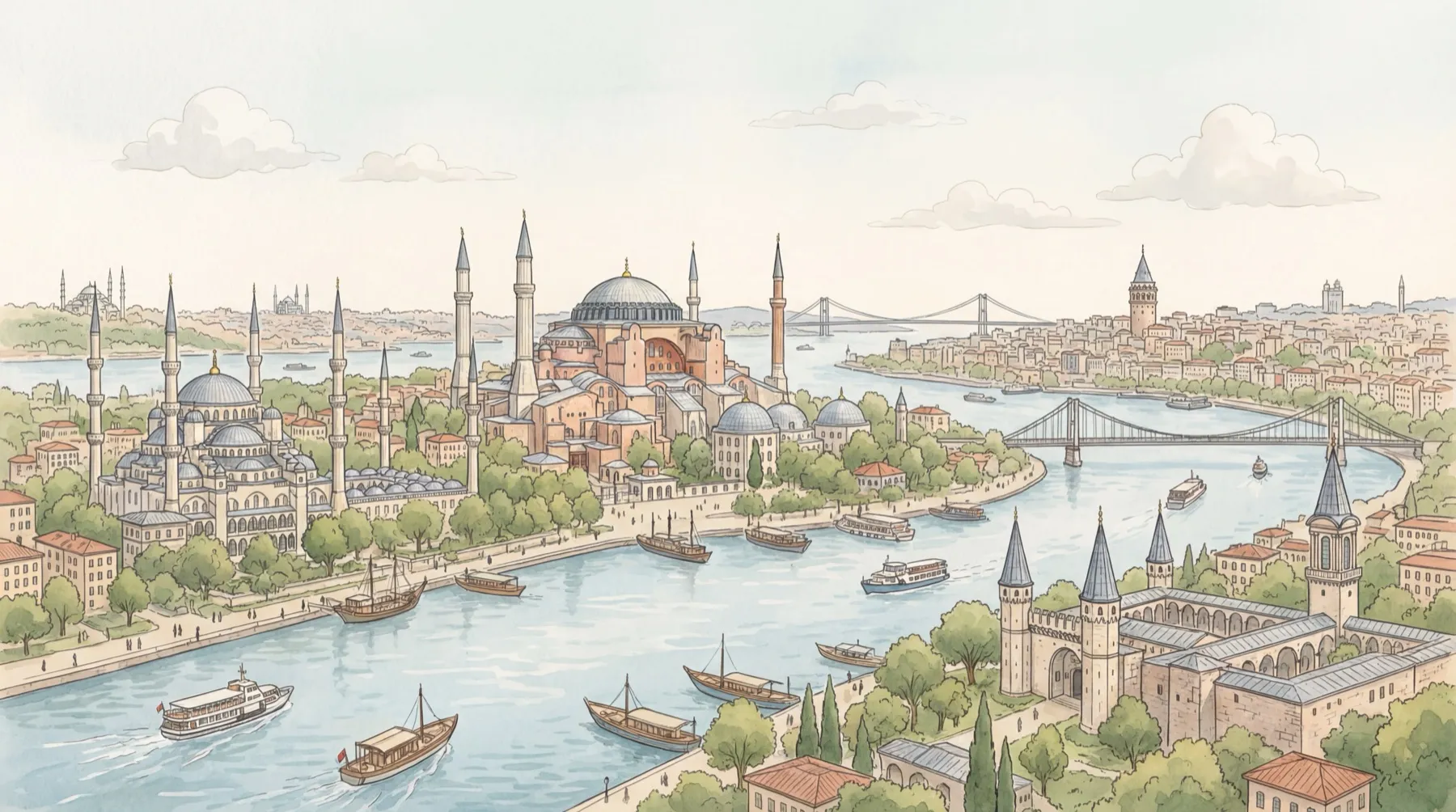
Istanbul
🇹🇷 Turkey
Travel tips for Istanbul
152 tips from 59 contributors
While tourists shell out 200+ lira for mediocre kebabs in Sultanahmet's old city, locals hop the ferry to Kadıköy on Istanbul's Asian side for real food at real prices. The Eminönü-Kadıköy ferry runs every 15-20 minutes from 6am to midnight, costs whatever your İstanbulkart rate is (currently 17.67 lira), and delivers the city's best 20-minute Bosphorus crossing.
Exit Kadıköy ferry terminal and you're immediately at the fish market — Vendors selling whatever came off the boats that morning, not yesterday's frozen imports. Head up Muvakkithane Caddesi for wood-fired lahmacun spots where locals actually eat. Look for places with smoke billowing from proper stone ovens, not gas flames pretending to be traditional. A fresh lahmacun here costs 25-30 lira versus 80+ lira in tourist zones.
After eating, wander through Yeldeğirmeni neighborhood's street art murals, then walk down to Moda coastline for unobstructed sunset views across to Europe. The ferry journey itself beats any tour boat — You'll glide past waterfront palaces, under both bridges, with seagulls trailing the wake. Every local commuter route should be this scenic.
Pro ferry tip: grab a seat on the left side heading to Kadıköy for best views of Topkapı Palace and Sultanahmet silhouette. Return journey, right side faces Galata Tower and Beyoğlu hillside.
The Istanbul Museum Pass costs 700 lira and covers Topkapı Palace, Hagia Sophia, Archaeological Museums, and about 10 other sites. Do the math — Breaks even after three major attractions, plus you skip some ticket lines (though nothing saves you from the crowds, unfortunately).
But here's what nobody tells you: Basilica Cistern is highway robbery disguised as culture. You'll pay 600 lira to wait 90 minutes in line, then shuffle through in 15 minutes looking at columns under harsh LED restoration lighting that killed whatever mystical atmosphere this place once had. The whole experience feels like they actively hate tourists.
Use your pass for Süleymaniye Mosque complex instead — Sinan's masterpiece with better city views than Hagia Sophia, no scaffolding, and blessed silence where you can actually think. The mosque itself is free, but the pass covers the attached Turkish and Islamic Arts Museum which most visitors miss entirely.
If you insist on underground cisterns, there's Şerefiye Cistern near Çemberlitaş that's smaller but atmospheric, costs 50 lira, and usually empty. Or skip cisterns entirely and save your money for something that doesn't feel like a tourist punishment chamber.
Those friendly vendors at Egyptian Bazaar offering "free" apple tea? They're warming you up for Turkey's most expensive Turkish delight — 800-1000 lira per kilo for candy you can buy at neighborhood markets for 150-200 lira maximum, often better quality. The tea tastes like liquid diabetes anyway.
The pressure tactics get aggressive once you're holding that tiny glass cup. They'll follow you between stalls, guilt-trip about the "free" tea, and act personally wounded when you refuse their markup. Hit the bazaar before 10am when the hardcore sellers are still having breakfast, or just avoid entirely.
For authentic lokum (Turkish delight), head to any regular patisserie in Beyoğlu or Kadıköy neighborhoods. Hacı Bekir on İstiklal Caddesi has been making it since 1777 — Their pomegranate and rose varieties cost 250-300 lira per kilo and come in proper wooden boxes, not plastic containers.
Real locals shop at weekend neighborhood markets anyway. Saturday's Beşiktaş market or Sunday's Ortaköy market have vendors selling homemade varieties for 100-150 lira per kilo. Watch for stalls with hand-dusted pieces, not machine-perfect squares that scream factory production. The best lokum has irregular edges and generous nut chunks.
 spicyway
Tourist Bosphorus cruises cost 300+ lira for crowded boats with commentary you can't escape. Bus 25E does the same European coastline route for your regular İstanbulkart fare (17.67 lira) — Starts at Sarıyer in the north, hugs the Bosphorus shore all the way down to Kabataş ferry terminal.
Grab left-side seats heading south for unobstructed water views. The 2-hour full route passes Rumeli Fortress, waterfront mansions in Bebek, and ends at Kabataş where ferries dock. Hop off anywhere that looks interesting — Arnavutköy for seafood restaurants, Ortaköy for the mosque views, or Beşiktaş for the weekend market.
Bus runs every 20-30 minutes from 6am to 11pm daily, dropping to 30-minute intervals after 8pm weekends. Unlike tour boats on fixed schedules, you control the timing. Want to spend an hour photographing Rumeli Fortress? Catch the next bus. Hungry in Bebek? Stop for lunch and continue later.
Only downside: gets crowded with standing room only during rush hours, and you're viewing from bus height rather than water level. But for budget travelers who want Bosphorus scenery without tour boat prices, nothing beats the 25E's bang for lira.
Exit Eminönü metro, cross Galata Bridge toward the Golden Horn side, then head left toward the Spice Bazaar area. You'll smell them before you see them — Vendors grilling fresh fish right on moored boats, whatever they hauled in that morning. Mackerel, sea bass, sometimes bluefish when it's running.
The sandwich runs about 70 lira: grilled fish, onions, lettuce, tomato, lemon squeeze, all stuffed into crusty bread that'll soak up the juices. Messy as hell but it's the best cheap meal in the tourist zone. Fish is legitimately fresh here — They're not reheating yesterday's catch like most restaurant scams.
Technique matters, so watch your vendor. Look for proper char marks, fish that flakes when they flip it, smoke billowing from actual charcoal. Avoid boats where guys are just heating pre-cooked fish on cold grills. The good vendors work until 9pm, later if crowds are heavy.
Pro kitchen tip: grab extra napkins from nearby shops first. You'll need them. And eat it standing there — This sandwich doesn't travel well, turns into soggy bread mush after 10 minutes. But when it's fresh off the grill with that char flavor and sea salt? Nothing beats it for street food authenticity in tourist central.
 kiki_adventures
Those tourist boats charging 300+ lira for Bosphorus tours are highway robbery. The IDO public ferry from Eminönü to Anadolu Kavağı covers the exact same route for 90 lira round trip, takes you further north than most tours, and gives you 2+ hours to explore at the destination instead of rushing back.
The ferry terminal at Eminönü is right behind the Spice Bazaar - look for the IDO signs with blue and white logos. Ferries depart multiple times daily (check IDO's schedule for exact times), and the 2-hour journey up the full Bosphorus beats any cramped tourist boat. You'll see both European and Asian shores, Ottoman palaces, the Bosphorus bridges, and fishing villages most tours skip.
Anadolu Kavağı itself is worth the trip - climb 15 minutes uphill to Yoros Castle (14th century Byzantine ruins) for Black Sea views with maybe 10 other people total. The village has excellent seafood restaurants like Balıkçı Sabahattin where fishermen sell their morning catch directly to the kitchen.
Pro tip: While bus 25E gives you coastal views, ferries offer water perspectives and avoid traffic completely. Sit on the right side heading north for the best palace views, left side for Asian shore villages.
 wheelsfirst
Kokoreç sounds absolutely horrifying to most tourists - lamb intestines grilled over charcoal, chopped fine with spices, and stuffed into bread. But trust me, it tastes like incredibly flavorful spicy sausage with a slight char. Nothing weird about the texture or taste, just pure umami heat.
The best vendors are around Taksim Square and Kadıköy ferry area - look for carts with lines of locals and charcoal grills sending up serious smoke. Good kokoreç costs about 60-80 lira for a proper portion. When they ask about spice level ("acı ister misin?"), always say yes if you can handle any heat at all. The spices are what make this dish exceptional.
Technique separates great kokoreç from rubber disaster. Watch for vendors who char the intestines properly over real charcoal without overcooking - it should have crispy edges but stay tender inside. Avoid anywhere using gas grills or reheating pre-cooked intestines.
Best spots: the cart outside Taksim Metro exit, or any of the vendors along Kadıköy's fish market street. Order it "acı" (spicy) and thank me later when you're hunting down more before leaving Istanbul.
The Pierre Loti cable car in Eyüp takes you to what locals consider Istanbul's finest panorama - the Golden Horn spread below with the Old City's domes and minarets creating the classic Istanbul skyline. This viewpoint beats Galata Tower for photography and atmosphere, especially late afternoon when the light turns golden.
The hilltop tea house serves proper Turkish tea in those classic tulip-shaped glasses for 18 lira each. Nothing fancy about the service or setting, but the view does all the work. The tea is strong, black, and exactly what you want while gazing over 2,000 years of history. Cable car costs 25 lira return, or you can walk the steep cobblestone path for free exercise and lovely breaks from city noise.
Pierre Loti was a French naval officer and writer who lived here in the 1800s and fell in love with Istanbul (and a local woman). His house became this tea garden, and the view hasn't changed much since his romantic descriptions made this place famous among 19th century European travelers.
Visit on weekday afternoons to avoid weekend crowds and get proper tea service without rushing. The light here from 4-6pm creates the most beautiful photos of the Golden Horn, and you'll understand why this viewpoint has been drawing writers and dreamers for over a century.
 marco_93
The Grand Bazaar is tourist hell - triple prices, aggressive vendors, and crowds that make browsing impossible. Walk 3 minutes to Arasta Bazaar behind the Blue Mosque for the same goods at reasonable prices, actual breathing room, and vendors who don't treat every interaction like performance art.
This small covered bazaar runs along the back wall of the Blue Mosque courtyard. Most tourists walk right past it heading to or from the mosque, which keeps prices sane and vendors less theatrical. You'll find quality leather goods, carpets, ceramics, and textiles at prices that make sense - I found a decent leather jacket for 900 lira that was 2,500 lira upstairs in the Grand Bazaar from related vendors.
Arasta opens same hours as Grand Bazaar (9am-7pm) but closes earlier on Fridays for prayers. The atmosphere is calm enough that you can actually examine goods, compare quality, and negotiate without feeling pressured. Carpet sellers still exist but they're less aggressive about the hard sell.
Best finds are vintage Ottoman-style jewelry, hand-painted ceramics that aren't mass-produced, and leather goods made in Istanbul workshops rather than imported. The location right behind Blue Mosque means you're walking past anyway - perfect for vintage hunting without Grand Bazaar chaos.
Çiya Sofrası near Kadıköy ferry terminal serves traditional Ottoman dishes that most Istanbul restaurants completely forgot. Owner Musa Dağdeviren researches historical cookbooks and recreates regional recipes from across the former Ottoman Empire - it's like eating culinary archaeology.
The menu changes seasonally but always includes tons of naturally vegan Ottoman vegetables dishes: stuffed eggplant varieties, herb-heavy bean preparations, seasonal stews, and fermented vegetable sides. Everything is clearly labeled and the staff knows all ingredients and preparation methods. No weird substitutions needed - these dishes were plant-based for centuries before anyone coined the term "vegan."
There are two locations on the same street (Güneşlibahçe Sokak): one focuses on Ottoman classics, the other on regional specialties from different provinces. Expect to pay around 340 lira per person for multiple courses. The restaurant gets packed during lunch service, so arrive early (11:30am) or late (after 2pm) for better service and table selection.
Dağdeviren has published multiple cookbooks about Ottoman cuisine and is a serious food scholar, not just a restaurant owner. His research trips across Turkey and the Balkans result in dishes you literally cannot find anywhere else in Istanbul. This is the place to understand how plant-rich Ottoman cuisine was before modern Turkish food became so meat-heavy.
While tourists queue for hours at Hagia Sophia, the magnificent Süleymaniye Mosque sits virtually empty just 800 meters away. This 16th-century masterpiece by Mimar Sinan—architect of the Blue Mosque—showcases Ottoman architecture at its absolute peak, with mathematical proportions that create an almost mystical sense of harmony.
The interior takes your breath away: a 53-meter central dome appears to float weightlessly above perfectly balanced arches, while Iznik tilework catches sunlight streaming through 138 windows. The complex includes four minarets representing Süleyman's position as the fourth Ottoman sultan, and madrasas where you can still hear students reciting Quran.
From the mosque's courtyard terrace, you'll enjoy arguably Istanbul's best free panoramic view—the Golden Horn spreads below while ferries trace silver paths between Europe and Asia. Early morning visits (7-9am) offer the most peaceful experience, with golden light illuminating the prayer hall's intricate calligraphy.
Remember this is an active place of worship: dress modestly (long pants for men, covered arms and hair for women), remove shoes before entering, and step aside respectfully during the five daily prayer times. The silence broken only by distant calls to prayer creates a spiritual atmosphere no tourist attraction can match.
 accessible_jen
When Istanbul's chaos overwhelms, catch a ferry from Kabataş or Bostancı to Büyükada—the largest of nine car-free Princes Islands. The 90-minute journey costs 100₺ round trip with İDO ferries, and you'll trade honking traffic for horse-drawn carriages and bicycle bells the moment you step ashore.
The entire 5.4km² island bans motor vehicles completely. Rent bikes near the ferry terminal (150₺/day) or explore on foot using well-marked trails that wind past crumbling Ottoman mansions and pine forests. The coastal perimeter route measures exactly 14.8km—perfect for runners seeking distance training with stunning Marmara Sea views at every turn.
Spring (April-May) and autumn (September-October) offer ideal running conditions with temperatures around 18-22°C. Summer brings oppressive heat and crowds, while winter sees most restaurants shuttered. The challenging climb to Aya Yorgi Church rewards you with 360-degree views spanning from Asian Istanbul to the Gallipoli Peninsula on clear days.
Pack water and snacks—island restaurants charge tourist prices, though the seafood is genuinely excellent if you're celebrating a good training run. Last ferry back typically departs 7:30pm in winter, 9:00pm in summer, so plan accordingly. The return journey offers magical sunset views over Istanbul's silhouette.
 runroutes
İstiklal Avenue during daylight hours? Tourist hell—shoulder-to-shoulder crowds, overpriced café chains, and street performers working for tips. But return after 11pm and you'll discover the locals' Istanbul, where the real magic happens when the red tram makes its final run.
Night vendors materialize with proper street food: köfte sandwiches for 80₺, fresh döner from rotating spits for 120₺, and balık ekmek (fish sandwiches) that put daytime tourist versions to shame. The side alleys come alive too—Nevizade Sokak transforms into an outdoor dining room where tables spill onto cobblestones and live music drifts from basement bars.
The best spots hide behind unmarked doors: climb narrow stairs above closed shops to find rooftop terraces where twenty-somethings share rakı bottles and debate politics until sunrise. Cocktail bars worth seeking include Leb-i Derya Richmond (14th floor, incredible Bosphorus views) and 360 Istanbul (reservations essential after midnight).
Safety stays excellent—police patrol regularly and the crowds provide natural security. The energy peaks around 2am when even the street musicians switch from tourist-pleasing covers to Turkish folk songs that make strangers link arms and dance. Just remember: the party doesn't start until most guidebooks tell you it's over.
300₺ to wait two hours staring at Istanbul through scratched plexiglass windows with reflections ruining every photo attempt. The "renovation" gutted any historical character this 14th-century Genoese tower once possessed, turning it into a sterile elevator ride to disappointment.
Here's what guidebooks won't tell you: the windows are legitimately awful for photography—thick, dirty, with metal frames blocking half the view. The crowded observation deck feels like a tourist processing facility, not a historic monument. And those "panoramic views"? You can see exactly the same vista for free.
Skip the tower entirely. Walk across Galata Bridge instead—zero crowds, unobstructed 360° views, and no entrance fee. Or climb the steep cobblestone streets to Cihangir neighborhood, where sidewalk cafés offer identical Golden Horn vistas while you sip Turkish coffee for 35₺. The terrace at Kilyos Kahvesi provides the same tower-height perspective without the tourist trap prices.
Bottom line: save your money for something worthwhile, like a proper Turkish bath or decent seafood dinner. Galata Tower went from historic landmark to overpriced viewing platform, and frankly, Istanbul deserves better from its visitors than feeding these ripoff operations.
 rodrigo_sp
Major mosques enforce dress requirements that catch unprepared tourists off-guard daily. Blue Mosque, Süleymaniye, New Mosque, and Rüstem Pasha all require long pants for men, plus long sleeves and head covering for women—no exceptions, regardless of temperature. Guards turn away visitors who don't comply.
Free plastic coverings available at entrances look ridiculous in photos and feel uncomfortable in 35°C heat. Instead, pack lightweight essentials: women should carry a cotton scarf and cardigan, men need long pants even during summer. Quick-dry travel pants and a pashmina solve the problem elegantly while keeping you cool.
Prayer times temporarily close mosques to tourists—30 minutes before each of five daily prayers, then 45 minutes during the service itself. Check official prayer timetables or expect potential waits, especially during crowded summer months when timing becomes crucial.
Additional etiquette: remove shoes before entering prayer areas, keep voices low during visits, avoid photographing worshippers, and step aside respectfully if prayer begins. Women should avoid visiting during Friday noon prayers when mosques fill with local congregations. These aren't tourist attractions—they're living places of worship where respect opens doors to extraordinary spiritual experiences.
While crowds pack blue mosque and suleymaniye, tiny rustem pasha above spice bazaar has most intricate iznik tilework in istanbul
Entrance easy to miss - stairs going up from bazaar courtyard. Built 1561 by mimar sinan. Every surface covered in geometric tile patterns in blues, greens, whites
Small and elevated so you see tile details up close unlike larger mosques. Free entry, just dress modestly and remove shoes
 nightowl_k
These golden horn neighborhoods where locals actually eat instead of tourist zones. Food literally half price of sultanahmet with bigger portions and better quality
Bus from eminonu or 20 minute walk along water. Family restaurants serving home style turkish cooking 120-180 lira per person instead of 300+ tourist areas
Plus all those colorful ottoman houses everyone photographs. Area around bulgarian church especially photogenic with little tea gardens overlooking bosphorus. Every neighborhood has its market day
 lauraexpat
Ferry to kadikoy then 15 minute walk south to moda neighborhood. Tea gardens right on waterfront have incredible sunset views over bosphorus toward old city skyline
Order traditional turkish tea service - comes on silver tray with sugar cubes, served in classic tulip glasses. Perfect peaceful spot to decompress after sightseeing, watch ferries drift by
Much more relaxed energy than anything in sultanahmet tourist zone, very reasonable prices. Great for finding inner peace after busy mosque visits
 skibumtom
Airport exchange booths give 30-40% worse rates than market. Ziraat bank ATMs right in arrivals terminal give proper rates, no commission on withdrawals up to 5000 lira daily limit
If bringing cash to exchange wait till istiklal area taksim. Exchange shops there much better rates than sultanahmet tourist zone. I track every lira and the difference is massive
Been testing this route for three weeks while staying in Sultanahmet. Start at Gulhane Park main entrance (near Topkapi) and follow the coastal path all the way to Sarayburnu Point where Golden Horn meets the Bosphorus. Completely flat, well-maintained surface, unbeatable water views for the full 2.5km each way.
Best window is 6:30-8am before the tour groups descend and before it gets too hot. You'll pass sections of the old Byzantine sea walls and get completely unobstructed views across the water. Surface is perfect for interval work if that's your thing.
Water fountains available in Gulhane Park for hydration stops. You might encounter some tour groups near the Topkapi entrance but the waterfront section stays clear. Safe for solo runners from dawn to dusk.
About Istanbul
Transcontinental metropolis straddling Europe and Asia across the Bosphorus strait. Hagia Sophia and the Grand Bazaar represent its rich Byzantine and Ottoman heritage.
Destination Stats
Know something locals know? Share your insider tip.
+ Share a Tip