Bucharest
🇷🇴 Romania
Travel tips for Bucharest
20 tips from 19 contributors
Look, I've eaten my way through this entire city after dark and I'm telling you straight — Every single restaurant in Old Town is designed to separate tourists from their money. You'll get frozen sarmale (stuffed cabbage rolls) heated in a microwave and mici (Romanian grilled sausages) that taste like they've been sitting under heat lamps since morning. These places will actually ruin your opinion of Romanian cuisine.
Instead, head north to Amzei district where locals actually eat. Noua Bucătărie Românească on Popa Nan Street 4 does modern Romanian in a gorgeous 1915 villa — Their seasonal tasting menu (180 RON) will completely reset your expectations. Chef trained in Paris and it shows. Book ahead because word is spreading fast.
Floreasca neighborhood has two gems that come alive after sunset. Casa di David (Șoseaua Nordului 42) does this incredible Mediterranean-Romanian fusion that shouldn't work but absolutely does. Then there's Locanta Jaristea (Calea Floreasca 111) — Grandmother-level traditional cooking with live folk music Thursday-Saturday nights. The ciorbă de burtă here is exactly what it should taste like, not the tourist theater version.
Save Old Town for drinking and late-night wandering. But eating there? That's just throwing money away while getting terrible food. Trust someone who's been prowling these streets long enough to know the difference.
 nightowl_k
Complete Airport Transfer Route: Take express bus 783 from Henri Coandă Airport (OTP) directly to Gara de Nord station (45 minutes, 8.60 RON). From Gara de Nord, board M4 metro line for instant access to central Bucharest. Total cost: 14.60 RON vs minimum 60 RON taxi fare.
M4 Line Specifications: 14.5km route with 12 stations running northwest-southeast through city core. Key destinations: Gara de Nord (northern terminus), Basarab (financial district), 1 Mai (residential), Parc Bazilescu (southern terminus). Operating hours: 5:00am-midnight daily, trains every 4-6 minutes peak hours.
Strategic Transfer Points: At Gara de Nord, connect to M1 (red line) for airport express bus continuation or M2/M3 access. For Old Town: ride M4 to Universitate then transfer to M2 yellow line (2 stops to Piața Universității). Ticket machines accept contactless payment — Buy 2-journey tickets (12 RON) to cover both bus and metro legs.
Critical Update: M4 airport extension remains under construction through 2025 despite appearing on some tourist maps. Current terminus is Gara de Nord only — Plan the bus connection accordingly. Download Metrorex official app for real-time delays and service updates.
 metromarc
This completely saved my sanity as a solo traveler who barely speaks Romanian. While the new M4 metro line to Henri Coandă Airport sounds perfect on paper, it doesn't run 24/7 like the rest of Bucharest's metro system. For late-night arrivals after 11pm or early departures before 5am, Bolt app becomes essential. You see the exact price upfront (usually 45-65 RON from Otopeni to Calea Victoriei area) and can track your route in real-time.
The airport taxi situation at Henri Coandă gets really uncomfortable, especially if you're traveling alone. Some drivers quote 150+ RON for a ride that should cost 60 RON, or they'll claim the meter is broken. The touch-screen taxi dispatch system in arrivals works, but as a tourist, you're still not sure if 80 RON is fair. With Bolt, everything is transparent — No awkward negotiations in broken Romanian.
Same strategy works perfectly at Gara de Nord train station when you're connecting between international trains and the city center. The M1/M4 metro interchange can be confusing with heavy luggage, and those aggressive taxi drivers outside the main entrance will quote ridiculous prices. Just book through Bolt from inside the station instead.
Pro tip: Screenshot your driver's license plate and keep the ride receipt. If anything goes wrong, Romanian Consumer Protection Authority (Str. Transilvaniei 2) handles taxi complaints, but honestly, I've used Bolt dozens of times between Henri Coandă and neighborhoods like Amzei or Universitate and never had issues — The system just works when STB night buses don't fit your schedule.
 samgreer
Dude, Arthur Verona Street is this insane open-air gallery where Bucharest's street artists completely transformed a whole block of communist-era apartment buildings. The magic happens during golden hour when that afternoon light hits these massive murals painted on Soviet-style concrete — The contrast between the gray brutalist architecture and these vibrant colors is absolutely sick for photography.
The coolest part is how this street changes constantly, especially during Street Delivery festival in June when international artists add fresh pieces. What's rad is finding these hidden gems between the main tourist circuit — Arthur Verona is walking distance from Universitate metro station, but most visitors stick to Old Town and completely miss this authentic local art scene.
Time your visit between 4-6pm when the western light hits those east-facing building walls perfectly. The shadows from the communist-era balconies create incredible depth and texture that works amazing for both film and digital. Way better than fighting Instagram crowds at Pasajul Victoria (the umbrella alley) for the same tourist shots everyone else gets.
Best part? You can actually spend serious time here without tour groups rushing you along. Just you, these massive murals telling stories about modern Romania, and that perfect golden hour light. It's exactly the kind of authentic Bucharest experience that shows you what the city's really about beyond the Palace of Parliament tourist circuit.
Weather Sweet Spot: September temperatures hover around 25°C during the day with comfortable 13°C evenings — Absolutely perfect for weekend market hunting at Piața Obor without the brutal July humidity that hits 90%+ with afternoon thunderstorms. Compare that to peak summer when the heat makes those early morning vendor stalls at Obor Market unbearable by 10am.
Practical Market Advantages: Every weekend market I hit had relaxed crowds because locals return from Black Sea resorts like Constanța and Mamaia in early September. Piața Obor Saturday morning treasure hunting? No pushing through crowds of families buying school supplies. Amzei neighborhood weekend markets had vendors with actual time to explain their vintage finds instead of rushing through transactions.
Best Timing Strategy: While May offers spring energy, September has this incredible golden quality that makes every communist memorabilia stall at Obor look like a museum display. The morning light at Piața Amzei farmers market (weekends 7am-2pm) is spectacular for photographing those traditional Romanian textiles and handmade crafts.
Insider Detail: Local vendors selling Soviet cameras and vintage Romanian items actually have time to test equipment and share stories in September — Try the optical gear specialist near Obor's north entrance who knows the history of every Zenit camera. In summer peak season, they're too busy serving crowds to give you that authentic market education you're really seeking about Romania's fascinating communist-era artifacts.
 marketsunday
This tiny Orthodox sanctuary at Calea Victoriei 110 is the closest thing to meditation you'll find in central Bucharest. The courtyard feels like stepping through a portal — Russian-style onion domes, ancient stone benches, and absolute silence just meters from the city's busiest boulevard.
Golden hour magic happens twice daily: early morning (8-9am) when the light hits those domes perfectly, and evening (6-7pm) when locals stop by for quiet prayer. Open 8am-8pm daily, completely free. Take metro M2 to Universitate, exit toward Calea Victoriei — It's a 5-minute walk north.
Pro timing: Use this as your decompression stop between University Square's chaos and the Royal Palace. The architecture genuinely transports you back centuries. I've watched stressed businesspeople literally slow their breathing just sitting on those weathered benches.
The church itself dates to 1722, rebuilt multiple times but maintaining that distinctive Brâncovenesc style. Duck inside briefly if it's open — The frescoes are remarkable, and the acoustics make even whispered prayers feel profound.
 somchai_e
Look, while the M4 metro to Gara de Nord is fantastic during regular hours, Bus 100 Express becomes your lifeline for those tricky travel times — After midnight, early morning departures, or when you're staying far from metro stations. Direct shot between Henri Coandă Airport and Piața Unirii in about 40 minutes, depending on traffic.
Runs every 30 minutes during operational hours (check current schedule on STB's website since they adjust seasonally). Pay 8 lei with contactless card or through the STB app — Still way cheaper than those 80+ lei taxi rides. Decent luggage space, working AC, and drivers who actually know the route.
Boarding tip: At the airport, look for the dedicated bus stop outside Arrivals. In the city, catch it at Piața Unirii near the Dâmbovița River side. The bus displays "Aeroport Henri Coandă" clearly on front.
I've used this dozens of times when the metro timing doesn't work out — Like 5am flights or when staying in Old Town areas. It's reliable enough that I factor it into my departure planning as a solid alternative to the metro route. The path through different neighborhoods gives you a nice preview of how locals actually live too.
Real music happens after midnight in basement venues converted from communist-era cellars around Centrul Vechi. Control Club (Str. Constantin Mille 4) and Expirat (Str. Covaci 6) feature international and local DJs in actual underground spaces. Funktion-One sound systems installed in brick cellars. Runs until sunrise because Romanian clubbing culture gets it.
Entry runs 20-40 RON depending on who's spinning. Thursday nights at Control showcase Romanian electronic talent — Unknown but brilliant. Weekends bring Berlin-level names to these intimate basement spaces. Don't arrive before 1am unless you want to drink alone in empty communist-era cellars.
Both venues near Universitate metro but different vibes. Control keeps that raw warehouse aesthetic. Expirat mixes basement dancing with upstairs cocktail bar serving proper drinks when you need bass breaks. Staff know difference between negroni and tourist nonsense.
Sound matters in these spaces. Acoustic engineers designed systems for communist-era architecture — Thick walls, low ceilings, perfect for electronic music. Not Instagram photo opportunities. Actual music venues.
 jessnight
Finally found Romanian kitchens respecting their own cuisine. NOUA Bucătărie Românească (7 Popa Nan Street, 1915 house conversion) does hand-rolled mici with proper lamb-to-beef ratios. Zexe restaurants make sarmale (cabbage rolls) with crucial browning step most tourist places skip. Papanași dessert made with real Romanian cottage cheese instead of cheap substitutes.
Skip Caru' cu Bere tourist menus completely. Ask "ce aveți proaspăt astăzi?" (what's fresh today) at serious Romanian kitchens. Expect 40-80 RON mains at NOUA — Fair pricing for actual technique. Amzei and Herăstrău neighborhoods consistently deliver better options than Old Town traps.
Traditional țuică (Romanian plum brandy) selection matters here. Proper establishments offer multiple distillations from different Romanian regions — Maramureș, Transilvania, Oltenia varieties. Ask servers for recommendations based on palate — They actually know Romanian spirits heritage.
Look for kitchens making ciorbă de burtă (Romanian tripe soup) properly — Soured with vinegar, not citric acid shortcuts. Quality indicator for any Romanian kitchen's commitment level. If they rush this traditional soup, they rush everything Romanian.
 chefpaco
Piața Obor (M1 metro line, Obor station) transforms Saturday mornings into Bucharest's premier hunting ground for authentic communist memorabilia — Genuine Romanian Workers' Party badges, functioning Soviet Zenit SLRs with working light meters, traditional Romanian ia blouses, and historical documents that survived decades hidden in Bucharest apartments during Ceaușescu's regime.
Vendors set up by 7am near the main market hall, serious collectors arrive by 8am sharp. Cash only in RON, start haggling at 60% asking price, bring proper bags because you'll find incredible pieces. The camera section consistently delivers: Praktica bodies, Romanian-made Carpatica cameras, vintage Pentacon lenses for fraction of Western prices.
The historical memorabilia tells incredible stories specific to Romanian communism — 1960s Combinatul Siderurgic Hunedoara factory worker badges, handwritten letters from collective farm workers, propaganda posters featuring Nicolae Ceaușescu. Textile stalls offer genuine traditional Romanian folk costumes and hand-woven Maramureș carpets, often from elderly vendors clearing family collections passed down through generations.
One regular vendor near the north entrance (ask for "domnul cu aparate foto") specializes in Romanian optical equipment and actually tests every camera before selling. He knows the production history of Romanian-made photography gear from the communist industrial period.
Pro tip: Learn "cât costă?" (how much) and Romanian numbers for haggling, arrive with small RON bills, don't flash expensive Western cameras while browsing Soviet-era gear. This market rewards genuine interest in Romanian history over tourist browsing.
Skip the crowded gym membership and hit Bucharest's best running route around Lake Herastrau. This 6-6.5km lakeside circuit in the city's largest park offers perfectly maintained asphalt paths with minimal elevation — Ideal for steady pace training or easy recovery runs.
The route features everything serious runners need: water fountains every kilometer, clean restrooms near the rowing club pavilion, and excellent LED lighting for early morning sessions. Exit Charles de Gaulle metro station (M2 blue line) and you're at the lake entrance within 200 meters.
Prime running window is 6-8am when temperatures stay cool and you'll mostly share the paths with dedicated locals. Saturday mornings often host Parkrun Herastrau — Free timed 5k events where you can run alongside locals and track your progress. Just like catching the early ferry to beat tourist crowds, early morning lake laps reveal Bucharest at its most peaceful.
Pro ferry captain insight: The lake circuit connects to several smaller water channels — Perfect for extending your route if you want to explore Bucharest's waterways network on foot.
As an architecture graduate, I can confidently say Calea Victoriei offers the most comprehensive architectural education you'll get in any European capital. This 2.5km boulevard functions as a living timeline, displaying every major architectural movement from neoclassical grandeur to communist brutalism to contemporary glass towers.
Start at Piața Victoriei (M2/M3 metro) and walk south. The National Museum of Art (former Royal Palace) at number 49-53 showcases pristine neoclassicism from 1937, while the Telephone Palace at number 37 displays Romania's finest Art Deco details — Notice the geometric bronze reliefs and stylized telecommunications motifs that most tourists completely miss.
Mid-route highlights include the Cantacuzino Palace (number 141) with its French Second Empire mansards, immediately followed by communist-era apartment blocks that demonstrate the jarring architectural disruption of the 1950s-70s. This juxtaposition perfectly illustrates how political upheaval reshapes urban landscapes.
Don't miss Pasajul Macca-Vilacrosse branching east near the National Theatre — This 1891 yellow glass-covered passage represents Bucharest's brief Belle Époque period when the city aspired to rival Paris. The intricate ironwork and curved glass demonstrate sophisticated 19th-century engineering that predates similar passages in other capitals.
Allow minimum 2 hours if you actually want to analyze architectural details rather than just Instagram them. Each city block represents a different political era, making this walk essential for understanding how power structures literally reshape cities.
 siennna
Forget overcrowded Herastrau — Carol Park offers Bucharest's most challenging running terrain with actual elevation changes that'll remind you why hill training matters. This park delivers everything serious runners crave: varied topography, tree-covered paths for summer heat relief, and historical landmarks like the Mausoleum and Unknown Soldier monument that make each lap interesting.
The main circuit runs approximately 3-4km with multiple route variations depending on your training goals. Unlike Herastrau's flat lake loop, Carol Park features legitimate hills, winding paths through forested sections, and open meadows perfect for interval training. Access via Eroilor metro station (M1/M3) — Exit toward Calea 13 Septembrie and you're at the main entrance within 5 minutes walk.
Early morning 6-7am reveals the park's true character when only dedicated locals are training. You'll encounter serious runners doing hill repeats, elderly couples practicing tai chi, and the occasional group of Korean expatriates doing traditional morning exercises near the lake area — Creating this authentic local atmosphere that tourist-heavy parks completely lack.
Pro tip from someone who's run in parks from Seoul to Bucharest: Carol Park's combination of challenging terrain and peaceful morning vibe makes it perfect for building both physical fitness and mental clarity. The Korean concept of 'nunchi' (situational awareness) applies perfectly here — You'll understand Bucharest's rhythm better after a few morning runs among locals pursuing their daily wellness routines.
 kimchiquest
Elevator access to most areas but you must specify wheelchair needs when booking. Standard tour has several steps.
Staff helpful but building is confusing. Accessible entrance north side. Allow extra navigation time.
 wheelsfirst
Real talk: most Romanian restaurant food in tourist areas is bland as cardboard. Head to Mahala Bar in Floreasca neighborhood (Șoseaua Nordului 7-9, near Aviatorilor metro M2) for traditional dishes with actual heat levels that locals appreciate.
Order the ciorbă de burtă with 'extra iute' and prepare for your sinuses to clear for the next three days. Their mici comes with homemade mustard that has serious kick, and even the papanași dessert features spicy honey that creates this incredible sweet-heat combination you won't find anywhere else in Bucharest.
Best strategy: arrive hungry around 7pm when the evening crowd starts filtering in. Don't let the modest interior fool you — This place serves Romanian comfort food the way it's supposed to taste, not the tourist-friendly versions. Cash only, expect 40-60 lei per person for a proper meal with drinks.
 rodrigo_sp
Skip expensive tourist transport passes. STB cards at any metro station: 8 RON gets unlimited daily transit including M4 airport line. Orange shops everywhere for longer stays — 15 RON gets 10GB EU-wide, but STB card better value for Bucharest-focused trips under one week.
Bring passport for Orange registration. STB cards work immediately, contactless payment accepted. Better than expensive airport shuttle services to Henri Coandă.
 artwalkamy
Massive water complex outside Bucharest with various zones including slides and thermal pools for relaxation. Perfect for cold weather when you want a tropical vibe.
Operates on time-based tickets starting from around €16 for 3 hours. Book online to skip lines. Honestly impressive facility even if it's not ocean diving.
While weekend markets offer good starting points for communist memorabilia, Bucharest's established antique shops hold the truly exceptional pieces that don't make it to public markets. These aren't touristy Soviet kitsch stores — We're talking authentic party badges, 1970s Romanian furniture, vintage medical equipment, and propaganda materials that shop owners acquire from private family collections.
The magic happens in small shops scattered throughout the old center and surrounding streets — Strada Franceza, Strada Amzei, and around Calea Victoriei. Owners know their inventory intimately and often hold back their finest pieces for serious collectors rather than market browsers. Think 15-50 lei for badges, 200-800 lei for furniture pieces depending on condition and rarity.
Saturday mornings around 9-10am offer the best selection as shops receive new arrivals from estate sales and family cleanouts. Bargaining is expected but keep it respectful — These shop owners have stories behind every piece and they'll share them if you show genuine interest rather than casual browsing.
The real treasures emerge after you've spent time building rapport with shop owners. Some keep their most interesting pieces in back rooms, bringing them out only for customers who demonstrate actual appreciation for the historical significance rather than just wanting Instagram props or quick weekend finds.
 nochebuena
Locals buying and selling everything. Genuine soviet cameras, romanian textiles, random communist stuff not polished for tourists. Found dacia badge for 8 ron which was basically free
Haggling expected, priced in ron. Gets picked over by 9am so go early. This is where locals shop, not where tour groups get dumped
Every operator pushes 200+ RON Bran Castle trips and it's tourist theater. Zero actual Dracula connection, packed with bus tours taking selfies.
Peles Castle instead. Actually beautiful, historically significant, mountain train ride is half the experience. Same time investment, better payoff.
 spicyway
About Bucharest
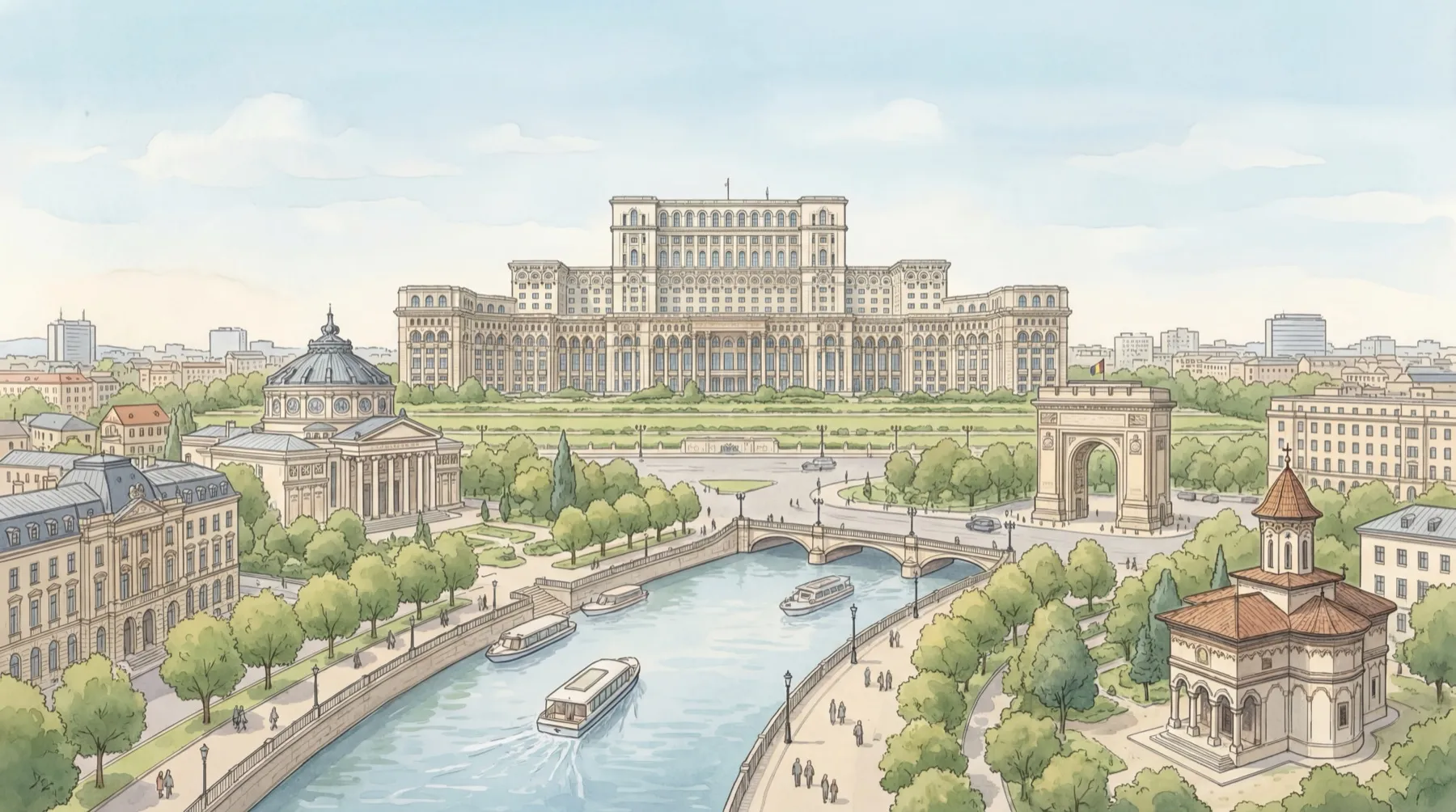
Romania's capital, mixing Belle Époque elegance with communist-era monumentalism. The Palace of Parliament and Old Town contrast architectural extremes across centuries.
Destination Stats
Know something locals know? Share your insider tip.
+ Share a Tip