Barcelona
🇪🇸 Spain
Food Tips for Barcelona
Restaurants, street food, cafes, and local dishes to try
After hiking my way through 20+ tapas spots across the city cal pep near the picasso museum actually makes patatas bravas with proper heat most places serve basically ketchup with paprika dust but these have legitimate spice that builds as you eat them
Located at plaça de les olles 8 right in born district the aioli has real garlic bite that burns your throat in the best way possible fair warning its tiny always packed and youll wait 30+ minutes minimum but the bravas cost €8 and are genuinely memorable
Most locals grab a beer and eat standing at the counter way more authentic than sitting at tourist restaurants that serve bland versions the energy gets wild around 9pm when everyone starts their evening ritual of bar hopping through the neighborhood
Metro jaume i or barceloneta then 5 minute walk through born streets honestly just follow the cigarette smoke and loud catalan conversations they close around midnight but the best atmosphere happens between 8-10pm when locals finish work
 coastalhike
Forget every sad overpriced excuse for tapas on Las Ramblas charging €8-12 for cafeteria-quality food that tastes like disappointment. The real flavors hide in Barri Gòtic where locals actually eat and servers don't automatically switch to broken English when you walk in.
Bar del Pi on Plaça de Sant Josep Oriol serves proper patatas bravas with actual heat for €3.50 - their aioli gets made fresh daily, not squeezed from packets. Granja Dulcinea nearby (Carrer Petritxol 2) does crema catalana that's creamy perfection, not tourist paste. Both spots have been feeding locals since before Instagram existed 📸
Walk the narrow cobblestone streets branching off Carrer Ferran and follow the cigarette smoke plus loud Catalan conversations - that's where the magic happens. Everything costs half what you'll pay on Ramblas and actually has flavor depth that makes your taste buds dance.
Metro Jaume I drops you right in the heart of Gothic quarter. Hit these spots around 8pm when locals start their evening tapas crawl - the energy builds throughout the night and some places stay buzzing past 2am with incredible authentic atmosphere.
While everyone queues endlessly at overhyped coffee shops charging €8-12 for mediocre lattes, El Born district harbors exquisite tea sanctuaries tucked away on medieval side streets where time moves slower and conversations happen in whispers.
Salterio (Carrer de Sant Pere Més Alt, 51) serves 60+ loose leaf varieties in a magical medieval setting with floor cushions and low wooden tables - their jasmine dragon well tea ceremony for €5 includes three infusions and genuine tranquility. Te Devuelvo La Sonrisa (Carrer del Rec, 27) translates beautifully to "I give you back your smile," which this tiny zen space absolutely does.
Both sanctuaries charge €3-5 for proper tea service versus the tourist café traps, and the homemade pastries at Te Devuelvo complement their spectacular chai blends perfectly. The bergamot-infused Earl Grey at Salterio gets sourced directly from Ceylon estates and brewed at precise temperatures.
Metro Jaume I, then wander the cobblestone streets discovering artisan workshops and galleries where actual locals live rather than just pose for Instagram. These tea houses close around 9pm, so afternoon visits work best for maximum serenity. Perfect refuges when Barcelona's energy becomes overwhelming.
 teahunter
While everyone queues for €8 smoothies at Instagram-famous La Boquería, Mercat de Santa Caterina sits practically empty with actual barcelonins buying ingredients for dinner. That stunning multicolored ceramic roof covers jamón ibérico stalls charging half the tourist prices.
The cheese corner (Formatgeria La Seu) gives proper tastings and the owner actually explains Spanish cheese regions instead of just taking photos. Their Cabrales blue cheese is incredible. Small food court does proper lunch for €8-12 versus €25 at La Boquería's tourist-trap stands.
Location: Avinguda de Francesc Cambó 16, Metro Jaume I (yellow line), exit toward Via Laietana. Open Monday-Wednesday 7:30am-2pm, Thursday-Friday 7:30am-8:30pm, Saturday 7:30am-3:30pm. Closed Sundays.
Zero tour groups because guidebooks mysteriously ignore this gem. The morning rush (9-11am) shows real Barcelona life - grandmothers haggling over fish prices, restaurant chefs sourcing ingredients, local families doing weekly shopping. Hit the olive stall near entrance 3 for varieties you've never seen before.
 somchai_e
While the Gothic Quarter draws literary pilgrims to its obvious corners, Barcelona's true bookish soul reveals itself in Gràcia's late-night establishments—intimate spaces where Catalan poets once gathered and where the spirit of independent thought still lingers in the cigarette-tinged air of midnight conversations.
Bar Canigó on Carrer de Verdi becomes a sanctuary for night owls after 11pm, its legendary bocadillos (crusty bread sandwiches) filled with sobrassada or botifarra for €5-7. This former village café, where Mercè Rodoreda might have felt at home, serves locals who consider midnight an appropriate hour for philosophical discussions over txakoli. The lighting casts shadows that would please any novelist seeking atmosphere, and the handwritten menu changes with the seasons—never with tourist demand.
On nearby Carrer de Blai in Poble Sec, the pintxos bars transform into literary salons after the conventional dinner hour ends. Blai 9 and La Tasqueta de Blai serve until 2-3am, their conversations flowing between Spanish and Catalan like the pages of a bilingual poetry collection. Here, proper jamón ibérico costs €3 instead of the €12 charged in tourist zones, and the tortilla española carries the warmth of evening preparation—substantial fuel for discussions that stretch toward dawn.
For those desperate midnight hours when even Barcelona's elastic intellectual schedule finally surrenders, the 24-hour Chinese restaurants scattered through Eixample offer steaming bowls of noodles and quiet corners for reading. Sometimes solitude and sustenance matter more than literary pedigree.
Tiny place near boqueria serving proper spanish hot chocolate since 1870. Not tourist-friendly thin stuff - thick chocolate you need spoon for with fresh churros for dunking.
€5.50-€7 complete experience enough to share if you're not used to spanish-style density. Crema catalana exceptional and made fresh daily. Maybe 10 tables total so timing matters - early morning or late afternoon works best.
Time your Barcelona visit for Festa de la Mercè (late September) and discover the city's most incredible celebration that transforms every neighborhood into a stage! This week-long festival brings castellers (human tower builders) to Plaça Sant Jaume, correfocs (fire-running demons) down Las Ramblas, and gegants (giant puppet parades) through the Gothic Quarter!
The festival food scene is AMAZING and budget-friendly! Street vendors sell authentic escalivada (roasted red peppers, eggplant, and onions) for just €3-4, while local bars offer samfaina (Catalan ratatouille) during extended happy hours. Traditional granjas like Granja Dulcinea in the Gothic Quarter serve festival specials of crema catalana and cacaolat for under €5 per person!
Pro tip: Hit Mercat de Santa Caterina during Mercè for special festival produce and cooking demonstrations. The market vendors explain which traditional Catalan dishes are naturally plant-based—perfect timing to learn about local cuisine while the whole city celebrates! Book accommodation early though—this is Barcelona's biggest party!
Seriously every single restaurant around plaça reial is overpriced garbage designed for people who dont know any better. Les quinze nits looks popular but thats just tourists following lonely planet. Paella is frozen reheated trash costs €25 per person.
But the broader Gothic Quarter has excellent local spots if you know where to look. Walk literally two blocks to carrer escudellers or carrer davallada for actual neighborhood restaurants with real food. Or hit mercat sant josep early morning before tourist invasion begins.
If you see laminated English menus and food photographs outside just keep walking. The good Gothic Quarter spots blend in with the neighborhood - locals never eat where obvious tourist menus are displayed.
Gràcia neighbourhood has excellent creative vegan restaurants that go way beyond typical tourist vegetarian pasta and salad options. Small independent places doing actual culinary innovation.
Flax & kale does modern healthy grain bowls and creative plant proteins. Rasoterra offers sophisticated vegan tasting menu experience. Much more interesting than chain restaurants in tourist-heavy areas. Also tons of produce shops for self-catering travelers.
Prices reasonable and quality significantly better than hotel restaurant plant-based attempts.
 marco_93
About Barcelona
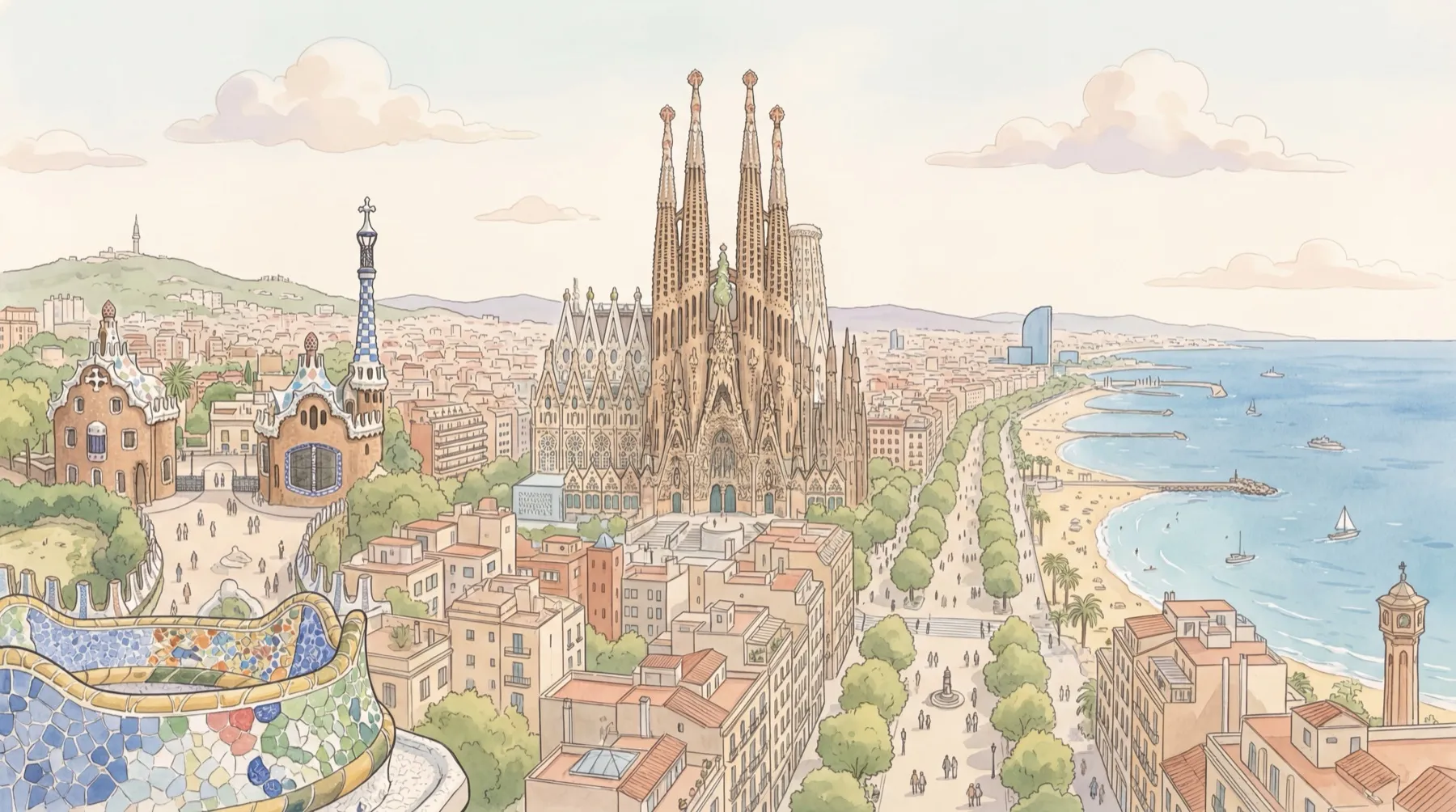
Catalonia's capital, renowned for Gaudí's architectural masterpieces and Mediterranean culture. The Sagrada Familia and Park Güell showcase Modernist innovation alongside Gothic Quarter traditions.
Destination Stats
Top Contributors
View all contributors →Know something locals know? Share your insider tip.
+ Share a Tip