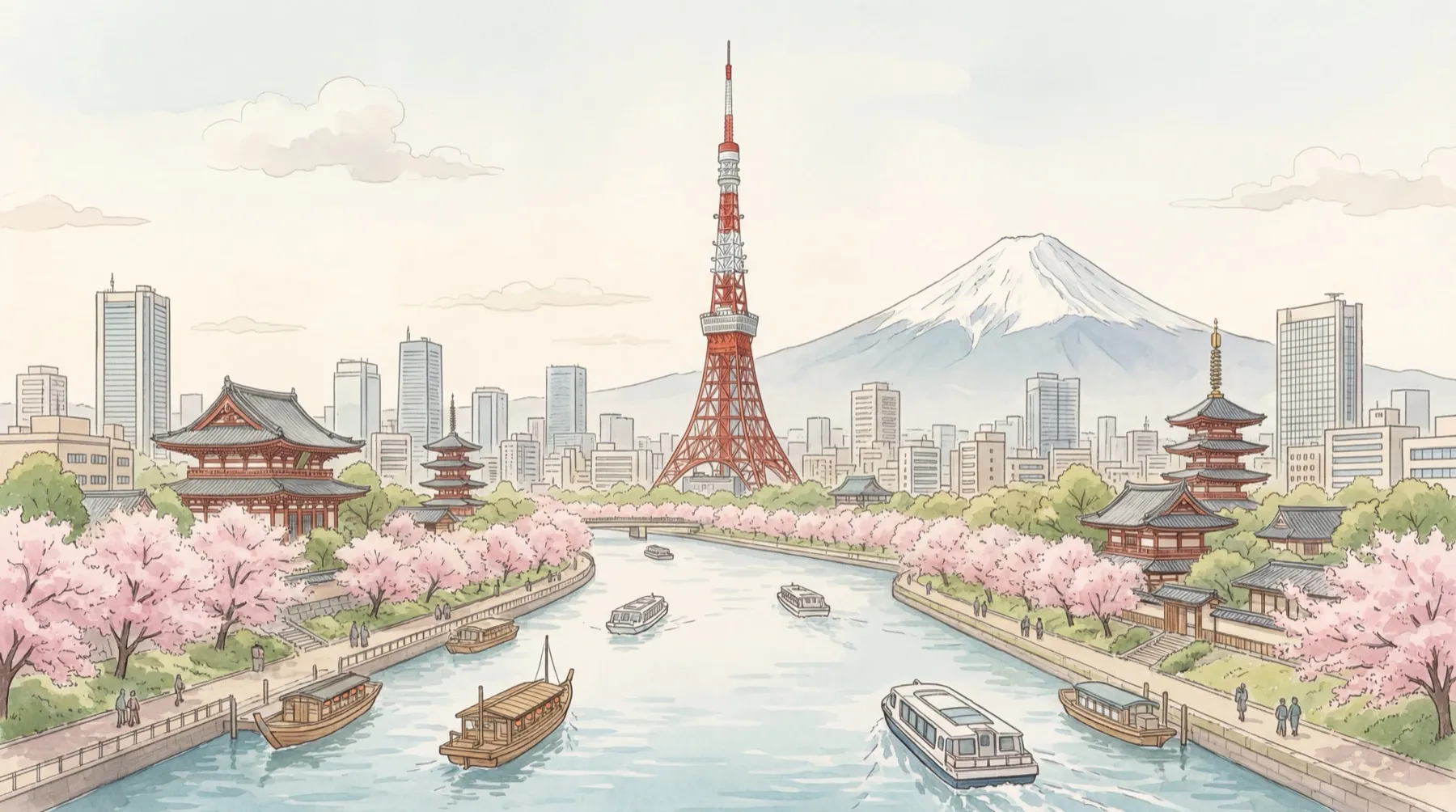
Tokyo
🇯🇵 Japan
Best day trips from tokyo: nikko vs kamakura vs hakone complete comparison guide
Nikko (2 hours each way via JR Tohoku/Nikko lines):
UNESCO World Heritage temples in pristine mountain setting. Toshogu Shrine complex features Japan's most ornate Edo-period architecture but attracts 2 million visitors annually. Visit Tuesday-Thursday to avoid weekend tour groups. JR Pass covers all transport including local buses to Kegon Falls. Lake Chuzenji offers hiking trails that most tourists miss entirely. Cost: ¥2,800 round-trip without JR Pass.
Compared to Kyoto's temples: less polished, more authentic forest integration, fewer crowds.
Kamakura (1 hour each way via JR Tokaido line):
Perfect introduction to traditional Japan without the time commitment of Kyoto. The Great Buddha (Daibutsu) stands 13 meters tall and you can walk inside for ¥20 extra. Enoshima Electric Railway (Enoden) provides scenic coastal views between temples. Hiking trails behind Hokokuji Temple lead to bamboo groves rivaling Kyoto's Arashiyama. Cost: ¥920 round-trip. Less overwhelming than Nara or Kyoto for temple novices.
Hakone (1.5 hours each way via Odakyu line):
Premium Mt. Fuji views and authentic onsen culture. Hakone Open-Air Museum combines art with mountain scenery. Lake Ashi pirate ship rides seem touristy but offer unobstructed Fuji photography. Weather-dependent for mountain views - check forecasts on JMA weather site. Hakone Free Pass (¥6,100) covers all local transport including cable cars and boats. Most expensive option but delivers the complete Japanese mountain experience.
Strategic recommendations:
First-time visitors: Kamakura for accessibility and manageable scope
Temple enthusiasts: Nikko for architectural authenticity without Kyoto crowds
Luxury travelers: Hakone for premium scenery and onsen culture
Weather backup: Nikko temples remain impressive in rain; Hakone loses 70% appeal without clear skies
 passportpages
Comments
Please sign in to comment.